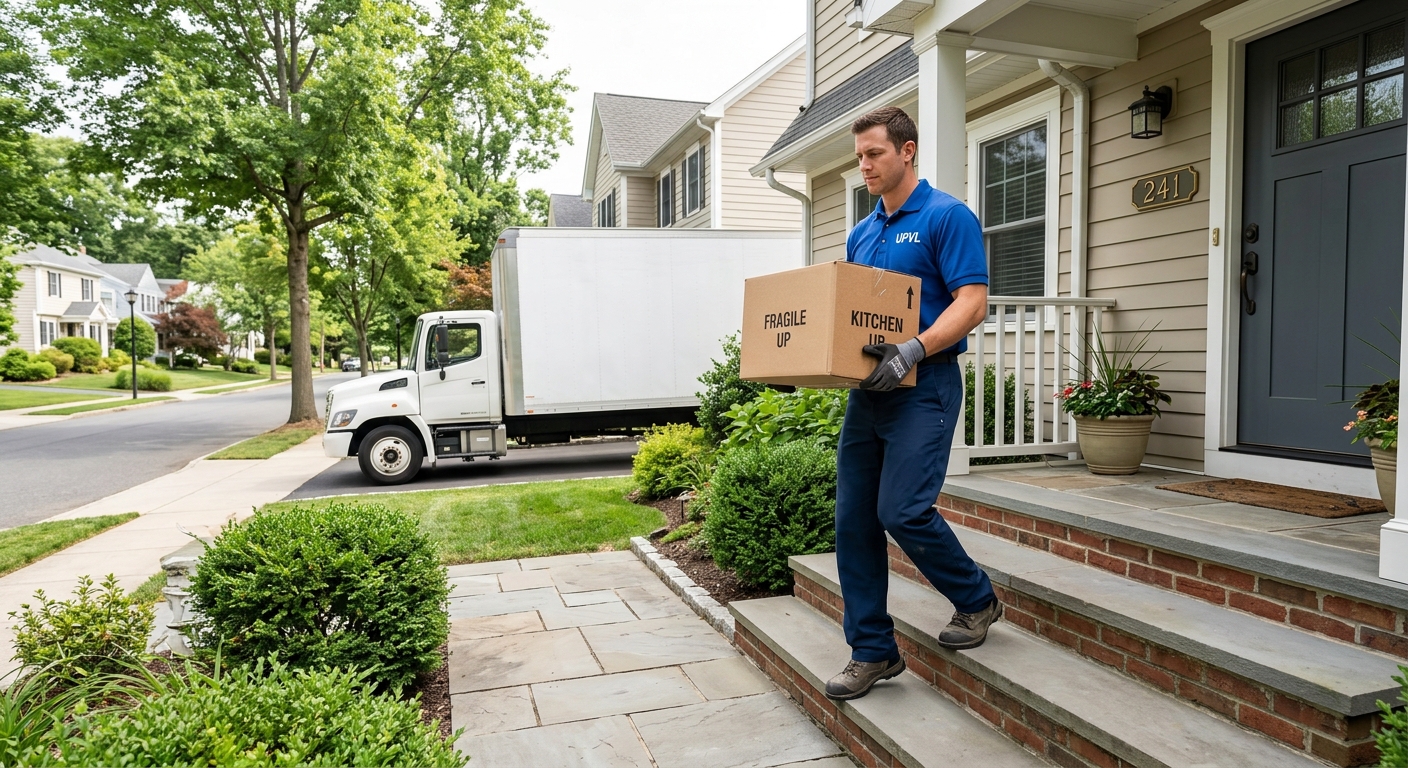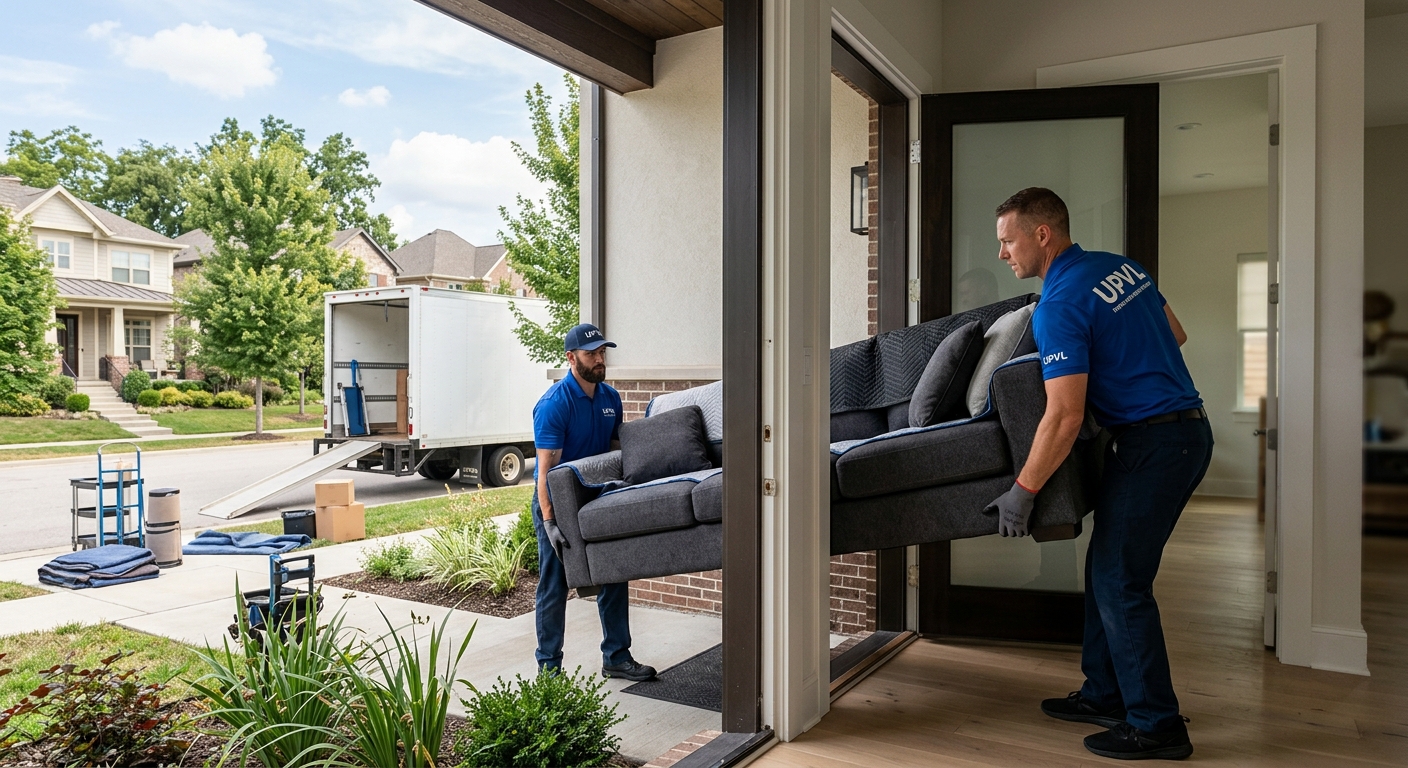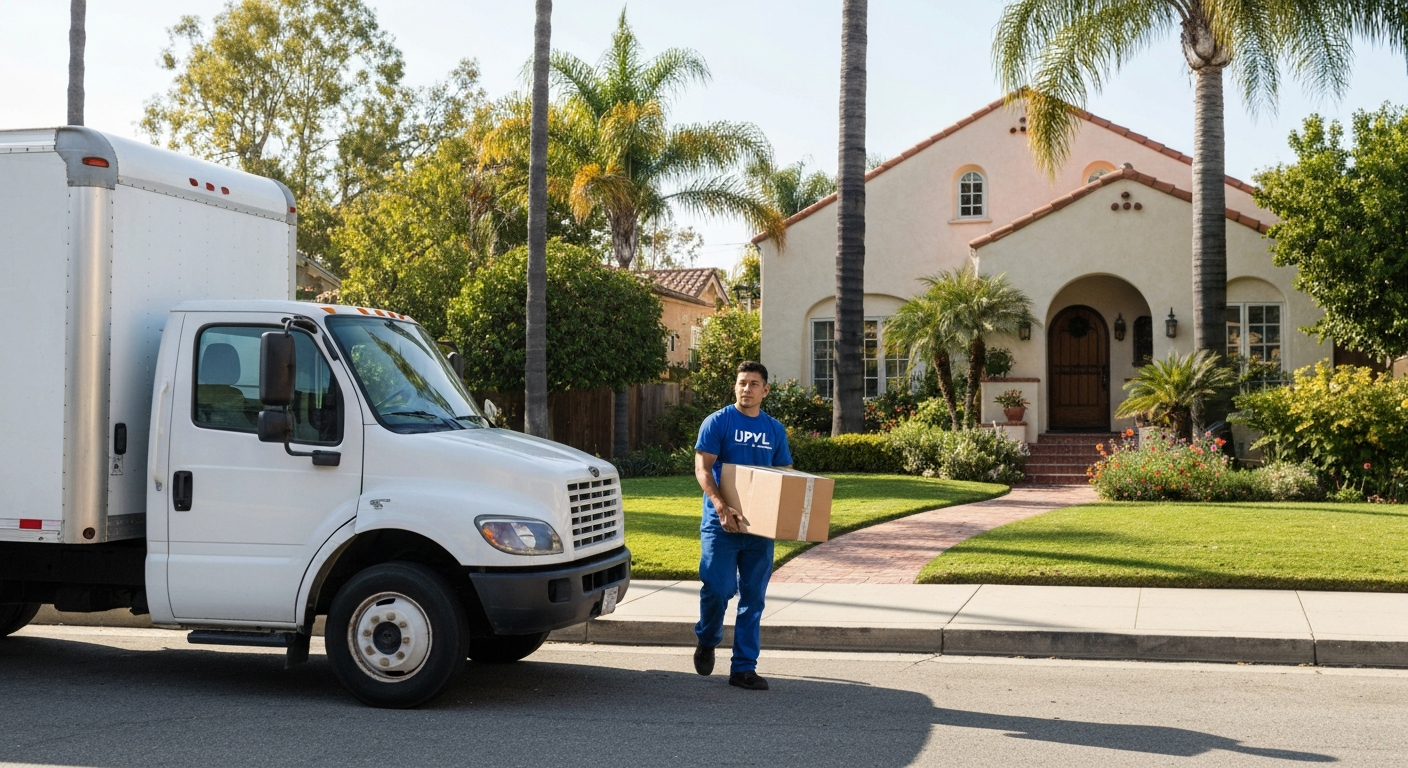
Moving from Los Angeles to the East Coast is a big step, whether you are heading to Boston, Washington DC, or Atlanta. Choosing the right LA to Boston movers or another reliable long-distance team can make the difference between a smooth cross-country relocation and a stressful experience.
Quick Navigation
Long-distance relocations from Los Angeles to major East Coast hubs are among the most demanding moves in the U.S. You are crossing multiple time zones, weather zones, and trucking corridors. Planning ahead and choosing experienced California to East Coast movers matters for three big reasons: distance, complexity, and cost exposure.
The distance alone—often 2,300–3,100+ road miles—means your shipment spends days on the road, often over mountain passes and through busy freight corridors. That increases the importance of solid packing, clear paperwork, and reliable scheduling.
These moves are also complex because every destination city has its own traffic patterns, parking rules, and building access issues. Boston has tight historic streets, Washington DC adds security and loading restrictions, and Atlanta brings heavy commuter traffic and sometimes steep driveways or suburban cul-de-sacs. A mover who understands these regional differences is far more likely to deliver on time and with fewer surprises.
Finally, your financial exposure is higher. A cross-country move can easily run into the thousands of dollars. How your estimate is written, what valuation coverage you choose, and how accurate your inventory is will directly affect both your final cost and your protection if something goes wrong.
Working with a company that regularly handles Los Angeles to Boston, DC, and Atlanta traffic—such as the long-distance specialists at United Prime Van Lines—helps keep those variables under control.
Los Angeles sits on the far western edge of the interstate highway system. Most LA-to-East-Coast routes fall into a few typical patterns, each with different mileage and timing. Understanding these options helps you evaluate any delivery window your movers give you.
Professional dispatch teams choose routes based on season, traffic, weather, and whether your shipment is on a dedicated truck or part of a consolidated load. Below is a simplified overview.
| Route | Approx. Miles | Typical Highway Corridors |
|---|---|---|
| Los Angeles to Boston | 3,000–3,100 | I-15 / I-70 / I-76 / I-80 / I-90 or southern I-10 / I-95 |
| Los Angeles to Washington DC | 2,600–2,700 | I-10 / I-20 / I-85 / I-95 or I-40 / I-81 |
| Los Angeles to Atlanta | 2,100–2,200 | I-10 / I-20 or I-40 / I-20 |
| Los Angeles to general East Coast | 2,000–3,100+ | Mix of cross-country interstates, often I-10, I-40, I-70 |
Dispatchers factor in elevation changes (like the Rockies), winter weather, and metropolitan congestion. During winter, for example, a mover might prefer a more southern route to avoid blizzards, while summer might favor more northern tracks to escape extreme heat.
Despite the different endpoints, LA to Boston, DC, and Atlanta moves share several logistical issues:
Recognizing these shared characteristics helps you understand why delivery windows are broader than on a local move—and why strong packing and labeling matter so much.
When comparing California to East Coast movers, you will see different service models and add-ons. Matching the right service to your situation keeps you from overpaying or under-protecting your belongings.
Most reputable cross-country movers offer several tiers of service. Terminology can vary, but the underlying ideas are similar.
| Service Type | What It Includes | Best For |
|---|---|---|
| Standard Long-Distance Moving | Loading, transport, unloading; you pack boxes, movers handle furniture | Budget-conscious families and individuals who can DIY packing |
| Full Packing Services | Mover packs all or most of your items, brings boxes and materials | Busy professionals, families with kids, out-of-state owners |
| Partial Packing | Movers pack breakables or select rooms, you pack the rest | People who want professional help on delicate or complex items |
| Full-Service (Door-to-Door) | Packing, loading, transport, unloading, basic setup in new home | Those prioritizing convenience and minimal downtime, including executives |
Companies like United Prime Van Lines full packing services can wrap, pack, and cushion your goods according to interstate standards, which often leads to fewer claims and easier coverage under valuation policies.
Certain items require special handling on long trips across multiple climate zones and road surfaces:
Discuss these needs during your estimate so they appear in writing; last-minute add-ons at pickup can increase costs and slow loading.
A move from LA to Boston or LA to Washington DC is unquestionably interstate and long-distance, but it helps to know the legal definitions because they affect licensing, consumer protections, and estimate types.
The Federal Motor Carrier Safety Administration (FMCSA) regulates interstate household goods movers. FMCSA considers a move interstate if your belongings cross a state line at any point. That includes shipments that start and end in the same state but travel through another state due to routing, though that is less common for LA-area moves.
Local moves, by contrast, are usually under 50–100 miles and do not cross state lines. They are typically billed hourly and regulated at the state or local level.
Because your LA-to-East-Coast relocation crosses multiple states, your mover must have an active U.S. DOT number and interstate authority. Always check this on FMCSA’s official site before booking. Source: FMCSA Company Snapshot.
When you hire LA to Boston movers, LA to Washington DC movers, or a Los Angeles to Atlanta team, confirm you are dealing with a carrier or a properly registered broker, and understand who is physically transporting your goods.
Los Angeles to Boston is one of the longest and most complex domestic routes. That combination of distance, urban delivery challenges, and seasonal weather means careful planning pays off.
The driving distance from Los Angeles to Boston usually falls between 3,000 and 3,100 miles, depending on the exact route. A professional moving truck typically covers 400–500 miles per day, factoring in mandatory rest breaks and weigh station stops.
That usually translates into a linehaul driving time of 6–8 days. However, your door-to-door delivery window will be longer because the mover must also schedule loading, possible consolidation with other shipments, and unloading.
Realistic delivery windows for an LA to Boston move are often 8–21 days from the first available date, depending on your service level, shipment size, season, and whether you purchase guaranteed delivery options.
Boston’s historic layout and older streets make access planning essential. Here are some of the main obstacles your LA to Boston movers need to manage.
| Boston Area | Common Challenges | Planning Tips |
|---|---|---|
| Back Bay / Beacon Hill | Narrow streets, limited parking, steep staircases, historic buildings | Smaller shuttle truck, possible parking permits, extra handling time |
| North End / Waterfront | Congestion, tight alleys, tourist traffic | Off-peak delivery timing, potential curbside or shuttle service |
| Cambridge / Somerville | Permit parking, one-way streets, busy student move-in seasons | Reserve parking early, avoid peak university move-in weekends |
| Suburbs (Newton, Brookline) | Tree-lined streets, long walkways, driveways with slope | Discuss truck access, potential long-carry and stair fees ahead of time |
Ask your mover if they have recent experience delivering in your specific neighborhood. Photos of your street, driveway, and building entrance can help your coordinator decide whether they need a shuttle truck or extra equipment.
Boston winters can be harsh, with snow and ice common from December through March. That affects ramps, sidewalks, and driveways, and can slow trucks across the Midwest and Northeast. Source: NOAA Winter Weather.
If you are moving during winter or early spring, build extra flexibility into your schedule. Ask your mover how they handle weather delays, and confirm that your delivery window accounts for potential storms.
LA to Boston routes tend to be more expensive than LA to Atlanta or even LA to DC because of the added mileage and greater likelihood of shuttle or stair carries in older neighborhoods. See the detailed cost section below, but in general, expect to pay a premium compared with other East Coast destinations.
The corridor from Los Angeles to Washington DC is heavily used for cross-country household goods moves. DC’s mix of federal buildings, historic rowhouses, and newer high-rises creates its own set of access and security requirements.
Depending on the chosen interstates, the distance from Los Angeles to Washington DC is roughly 2,600–2,700 miles. A long-haul driver again covers around 400–500 miles per day, leading to 6–7 days of actual drive time.
Typical door-to-door delivery windows might range from 7–18 days, depending on shipment size, time of year, and whether your movers are hauling a dedicated truck just for your goods or combining loads to optimize costs.
The DC metro area includes the District, Northern Virginia, and parts of Maryland. Each sub-area has its own quirks your LA to Washington DC movers should anticipate.
| Area | Access Concerns | What to Ask Your Mover |
|---|---|---|
| District of Columbia (NW, NE, SW) | Narrow streets, limited alleys, parking restrictions, security near federal sites | Permit needs, possible shuttle, any restrictions on truck size or timing |
| Arlington / Alexandria, VA | High-rise apartments, loading dock requirements, elevators | COI (Certificate of Insurance) requirements, dock reservations, elevator time slots |
| Bethesda / Silver Spring, MD | Condo rules, reserved parking, possible low clearance garages | Garage clearance limits, special building move-in policies |
| Suburban Maryland / Virginia | Cul-de-sacs, long carries, steep driveways | Need for smaller truck or extra crew time to handle long carries |
Many DC-area apartment and condo buildings require a Certificate of Insurance (COI) from your moving company before allowing access to elevators or loading docks. The COI shows proof of liability and workers’ compensation coverage.
Request your building’s move-in packet as soon as you sign your lease or purchase agreement. It usually lists:
Share these details with your mover at least a week before loading so their insurance provider has time to issue the COI. This applies whether you are using large national carriers or specialized office and commercial moving teams for a business relocation near DC.
The DC metro area has regularly ranked as one of the most congested regions in the country. Rush-hour gridlock can dramatically affect unloading times. Source: U.S. DOT Congestion Trends.
To avoid major delays, plan for:
Atlanta is a major Southeast hub and a common destination for California to East Coast movers. While the mileage is somewhat lower than Boston or DC, humidity, thunderstorms, and heavy commuter traffic still require smart planning.
Los Angeles to Atlanta usually runs around 2,100–2,200 miles by truck, mostly along I-10 and I-20 or a combination including I-40. With standard long-haul speeds, that is roughly 5–6 days of drive time.
Real-world delivery windows might be 7–16 days from your first available date, depending on season and shipment size. Because Atlanta is a major logistics hub, many carriers move freight through the region regularly, which sometimes allows for more flexible scheduling.
From in-town neighborhoods like Midtown and Virginia-Highland to sprawling suburbs, Atlanta offers a different set of challenges than Boston or DC.
| Atlanta Area | Common Moving Issues | Planning Advice |
|---|---|---|
| Midtown / Downtown | Busy streets, loading zone competition, high-rise buildings | Reserve loading docks, ask about COI, plan midday moves |
| Buckhead | Condo rules, gated communities, valet-controlled access | Confirm gate codes, COIs, and on-site contact persons |
| Intown Neighborhoods (Decatur, Virginia-Highland) | Narrow or hilly streets, limited driveway space | Share street photos with mover, discuss shuttle if needed |
| Suburbs (Alpharetta, Marietta) | Cul-de-sacs, HOA rules, long driveways | Check HOA move policies and parking restrictions early |
Atlanta summers are hot and humid with frequent thunderstorms, while winters are generally mild but can feature occasional ice. Humidity can affect wood furniture and musical instruments, and storms can create short-term loading or unloading delays. Source: NOAA Atlanta Weather.
Plan for:
Packing is one of the most important variables you control on any cross-country move. Good packing minimizes damage risk over thousands of miles of road vibration. Poor packing can turn even the best truck ride into a headache.
For LA to Boston, DC, or Atlanta relocations, you can mix and match packing styles.
| Packing Approach | Pros | Cons |
|---|---|---|
| Full Professional Packing | Fast, high-quality, often better protection for valuation claims | Higher cost, need to be ready when crew arrives |
| Partial Packing (Fragiles Only) | Saves money while protecting the most breakable items | You still invest time packing books, clothes, decor |
| DIY Packing | Lowest cost, full control over how items are sorted | Time-consuming, higher risk if not packed to interstate standards |
| Hybrid with Early Shipment of Essentials | Can mail or ship some essentials, reduce moving weight | More complex logistics, possible duplicate costs |
Many families choose a partial approach: movers pack kitchen breakables, artwork, and glass items, while you handle clothing and books. Services like full packing services or partial packing options make that easy.
Most interstate movers will not carry hazardous or perishable items. FMCSA lists common non-allowables such as flammable liquids, propane tanks, and certain chemicals. Source: FMCSA What Not to Pack.
Typical non-allowables include:
Discuss any questionable items with your coordinator well before move day.
Many LA-to-East-Coast customers need storage—either in Los Angeles before departure, near the destination, or in transit. This is common when your new lease or closing date lags behind your LA exit date, or when you are doing renovations before move-in.
| Storage Type | How It Works | Best Use Case |
|---|---|---|
| Warehouse (Traditional) | Items unloaded into a secure warehouse, often palletized or containerized | Medium to long-term storage with less need for frequent access |
| Storage-in-Transit (SIT) | Mover stores shipment short-term between pickup and delivery (regulated for interstate moves) | Gap of days or weeks between leaving LA and taking possession in Boston, DC, or Atlanta |
| Destination Storage | Items delivered to a local storage facility near your new home | Extended renovations or uncertain housing at destination |
| Self-Storage / Portable Containers | You load a container or self-storage unit; separate from full-service move | Situations with partial DIY and flexible timelines |
Interstate Storage-in-Transit (SIT) is subject to federal rules about maximum storage days and rate disclosures. Source: FMCSA on Storage.
If you know you need storage, tell your estimator upfront so it appears in your written estimate. Companies like United Prime Van Lines storage options can often combine long-distance transportation with short-term SIT to avoid double handling and extra delivery charges.
Cross-country cost is one of the biggest questions for anyone planning a long-distance move. There is no single flat fee for LA to Boston movers versus LA to Washington DC movers, but the same core variables apply.
Interstate moving costs are typically based on:
The table below outlines how common cost factors often vary by destination, assuming a similar shipment size and service level. These are relative comparisons, not firm price quotes.
| Destination | Relative Linehaul Cost | Common Extra Charges |
|---|---|---|
| Boston | Highest of the three due to distance | Shuttles, parking permits, stairs, long carries |
| Washington DC | Moderate to high, less than Boston | COI processing, elevator reservations, potential shuttles |
| Atlanta | Typically lowest of the three | Driveway or HOA restrictions, long carries in some suburbs |
| General East Coast | Varies by mileage and region | Urban access fees in big cities, seasonal surcharges |
Always request a detailed written estimate that itemizes:
This makes it easier to compare multiple California to East Coast movers on an apples-to-apples basis.
Exact numbers depend on your home size, inventory, and services, but many full-service cross-country moves from LA to the East Coast fall into the mid-four to five-figure range. A small apartment with minimal furniture could be at the lower end, while a large fully furnished home with full packing and storage will be at the higher end.
Ask each mover whether your quote is binding, non-binding, or binding-not-to-exceed; the type of estimate strongly affects how far your final price can move from the initial estimate.
Understanding moving estimates is one of the best ways to protect yourself financially on a cross-country relocation. Interstate pricing is not just about a single number—it is about what that number is allowed to do.
Local moves are often billed hourly because crew travel and work time are short and predictable. Long-distance interstate moves like LA to Boston or LA to DC use different pricing structures, generally based on weight and distance rather than an hourly clock.
That means your quote is usually a type of flat-rate estimate, but there are important distinctions within that term.
| Estimate Type | Definition | Risk/Benefit for You |
|---|---|---|
| Non-Binding Estimate | Approximate cost based on estimated weight; final charges based on actual weight | May pay more if weight is higher; must pay up to 110% of estimate at delivery, then any balance later. Source: FMCSA. |
| Binding Estimate | Fixed price for the listed services and weight; you pay exactly this amount unless you add items/services | Good cost certainty, but if actual weight is lower, you do not get a refund. |
| Binding-Not-to-Exceed (Guaranteed Not to Exceed) | Maximum price based on estimated weight; if actual weight is lower, you may pay less | Popular option for customers: protects against overages while allowing savings if shipment is lighter. |
| Guaranteed Pickup/Delivery Options | Extra-fee service where the mover guarantees dates and may pay penalties if they miss | Useful if your schedule is strict, but expect higher cost and limited availability. |
The FMCSA explains that binding and non-binding estimates work differently, including your rights if the final charges exceed the estimate. Source: FMCSA Binding Estimates.
For a cross-country move, you are not just paying for transportation—you are also buying risk management. Proper licensing, insurance, and valuation coverage protect you legally and financially if something goes wrong.
All legitimate interstate movers must be registered with the FMCSA and have a U.S. DOT number and operating authority. You can verify a mover’s status and complaint history using FMCSA’s online tools. Source: FMCSA Protect Your Move.
Watch out for:
California-based brokers or carriers arranging LA to Boston or LA to Washington DC moves must still ensure that the actual transporting motor carrier has proper authority.
Two terms often get blurred in moving conversations: insurance and valuation. They are not the same.
| Valuation Option | Coverage Level | Cost |
|---|---|---|
| Released Value Protection | Up to $0.60 per pound per item, regardless of item value | Included in base price, no extra cost |
| Full Value Protection (FVP) | Repair, replace, or cash settlement up to a declared value of the shipment | Additional cost based on shipment value; deductibles may apply |
| Third-Party Insurance | Separate policy you purchase from an insurer, sometimes offered via partner | Varies; may supplement mover’s valuation |
| High-Value Inventory Coverage | Special attention to expensive items listed on a separate form | May require appraisals or higher valuation limits |
FMCSA explains these valuation options in detail. Source: FMCSA Moving Insurance & Valuation.
Because LA-to-East-Coast routes are long, consider Full Value Protection if your shipment includes higher-value furniture, electronics, or heirlooms. Released Value at $0.60 per pound will not come close to replacing a modern TV or a designer sofa if they are damaged.
Discuss valuation options with your estimator, including:
Cross-country delivery windows often surprise customers used to same-day or next-day local moves. Setting realistic expectations from the start makes for a much less stressful experience.
For LA to Boston, DC, or Atlanta routes, your truck and driver may face:
This is why you will often see 7–21 day windows in your paperwork, depending on distance, season, shipment size, and whether you pay for guaranteed dates.
| Route | Common Driving Time | Typical Delivery Window |
|---|---|---|
| Los Angeles to Boston | 6–8 days | 8–21 days from first available date |
| Los Angeles to Washington DC | 6–7 days | 7–18 days from first available date |
| Los Angeles to Atlanta | 5–6 days | 7–16 days from first available date |
| General LA to East Coast | 5–8 days | 7–21 days depending on city and service |
When your estimator gives you a delivery spread, ask:
Keep some overlap in your housing arrangements. If possible, schedule your own arrival one day before the first possible delivery date so you are on-site and ready.
A simple, structured checklist keeps your LA to Boston, DC, or Atlanta relocation on track. Use this as a starting framework and customize it for your own situation.
| Checklist Stage | Key Tasks | Who Is Responsible |
|---|---|---|
| Pre-Booking | Research movers, request estimates, verify licenses | You |
| Pre-Move Planning | Choose services, schedule building access, book travel | You + Mover |
| Packing Phase | Pack or supervise packing, organize essentials | You + Mover (if packing) |
| Move & Delivery Days | Supervise loading/unloading, sign documents, inspect items | You + Crew Leader |

Cross-country cost depends on weight, distance, and services. A small, lightly furnished apartment will cost less than a large house with full packing and storage. LA to Boston is typically the most expensive of the three due to mileage and access challenges, LA to Washington DC is mid-range, and LA to Atlanta is often slightly less. Always obtain written binding or binding-not-to-exceed estimates from multiple California to East Coast movers and compare line items rather than just the final number.
For LA to Boston movers, expect around 6–8 days of truck time and a total delivery window of roughly 8–21 days from your first available date. The exact spread depends on your shipment size, whether your load is dedicated or part of a consolidated run, the season, and any guaranteed delivery options you purchase. Confirm the earliest and latest possible date in writing on your Bill of Lading.
LA to Washington DC movers usually quote delivery windows of about 7–18 days from your first available date. Driving distance is around 2,600–2,700 miles, which can be covered in about 6–7 days of driving, but dispatch must factor in other shipments, weather, and regulatory stops. Ask the dispatcher or driver for updates as they get closer so you can plan your arrival and elevator reservations.
Los Angeles to Atlanta driving distance is usually 2,100–2,200 miles, which equates to approximately 5–6 days of truck time. Delivery windows are often 7–16 days from your first available date. Because Atlanta is a major logistics hub, there may be more flexible scheduling options, but you should still plan for a broad window to account for weather and traffic.
For interstate moves, movers generally use shipment weight (or cubic footage, depending on the carrier) and mileage as the base. They then add linehaul charges, fuel surcharges, accessorial fees (like stairs, long carries, or shuttles), packing labor and materials if provided, storage costs, and any valuation upgrades. The result is presented as a non-binding, binding, or binding-not-to-exceed estimate. FMCSA requires all interstate estimates to be in writing. Source: FMCSA Understanding Estimates.
A binding estimate gives you cost certainty because you know what you will pay for the clearly listed services, as long as you do not add items or change access conditions. Many customers prefer binding-not-to-exceed estimates, which cap the maximum while allowing you to pay less if your actual weight is lower. For complex, long-distance routes like LA to Boston or LA to DC, these options help protect your budget from unexpected increases.
A non-binding estimate is an approximation; your final cost is based on actual weight and services. At delivery, you typically must pay up to 110% of the non-binding estimate to receive your goods, with any remaining balance billed later if justified. A binding estimate, by contrast, is a fixed price for the described services and shipment, unless you add items or change conditions. FMCSA explains both in detail at FMCSA Protect Your Move.
To control cross-country cost, declutter aggressively before getting estimates; every pound you do not move saves money. Consider partial packing help rather than full packing if you are comfortable boxing books and clothing yourself. Be flexible with dates, avoiding peak summer weekends when possible. Clearly describe access at both homes so stair or shuttle fees are included upfront rather than added as surprises. Finally, compare multiple written estimates and ask about binding-not-to-exceed options.
Valuation coverage is the mover’s contractual liability if your items are lost or damaged. Released Value Protection only covers up to $0.60 per pound per item, which is usually insufficient to replace modern furniture or electronics. Full Value Protection (FVP) offers higher coverage based on a declared value for your shipment and may include repair, replacement, or cash settlement. For long LA-to-East-Coast moves, most customers benefit from FVP, especially if they have higher-value belongings.
Some long-distance movers can coordinate auto transport along with your household shipment, using separate car carriers. Combining household and auto transport through one provider simplifies logistics, but the vehicle will still travel under a different carrier in most cases. Ask about timing, pickup and delivery locations, and whether the car will be on an open or enclosed carrier. Verify the auto transporter’s insurance and inspection procedures before signing.
For California moves, the contact information is:

Moving from Los Angeles to Boston, Washington DC, or Atlanta is a major life transition and a serious logistical project. The distance, climate variations, and city-specific challenges mean you need more than just a truck and a crew—you need a well-planned strategy, clear paperwork, and the right level of protection.
By understanding how interstate estimates work, what affects cross-country cost, and what realistic delivery windows look like, you can make confident decisions and avoid unwelcome surprises. Put time into choosing experienced LA to Boston movers, LA to Washington DC movers, or a trusted Los Angeles to Atlanta team with solid FMCSA credentials, clear communication, and services that match your needs—from packing and storage to valuation coverage.
With thoughtful preparation and a qualified long-distance partner such as the specialists at United Prime Van Lines long-distance moving, your California to East Coast move can be far more manageable, letting you focus on settling into your new home and new city.