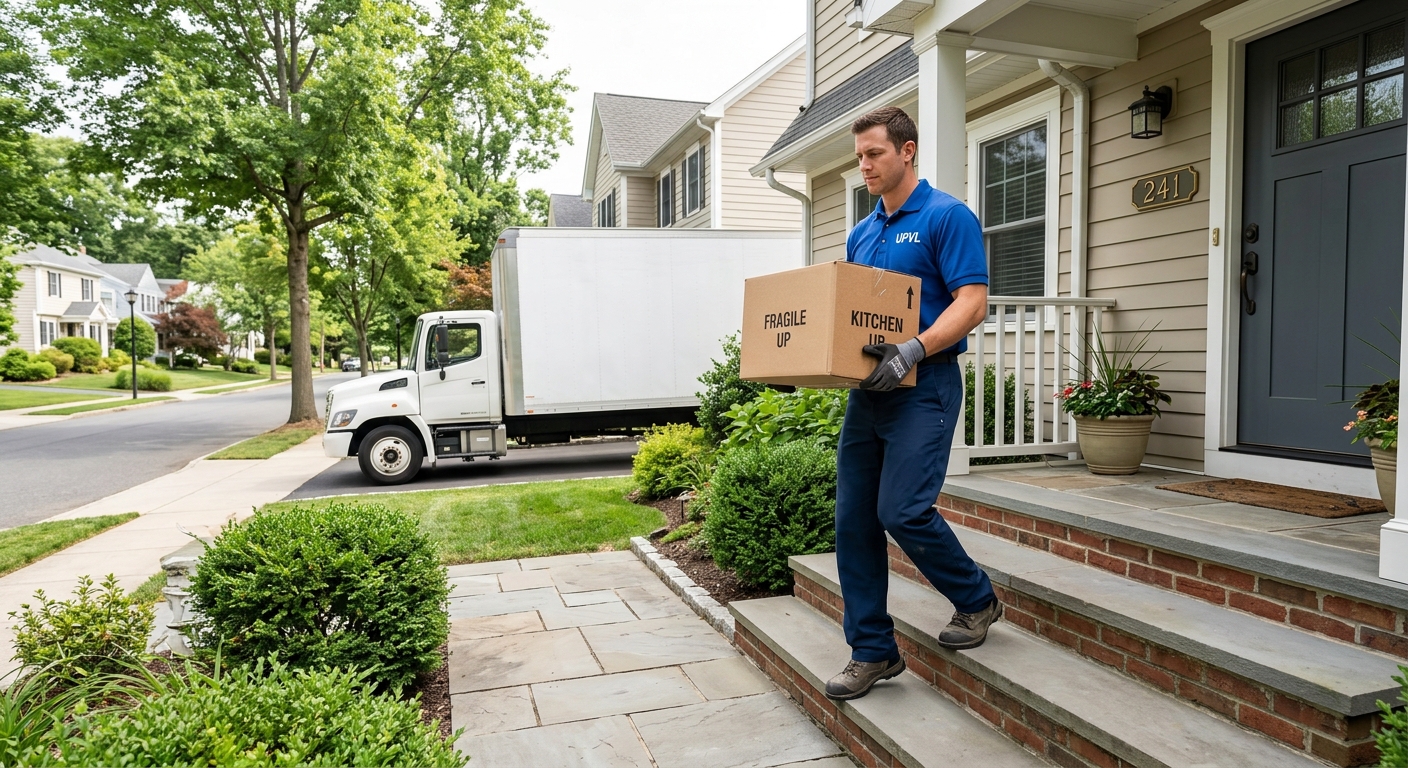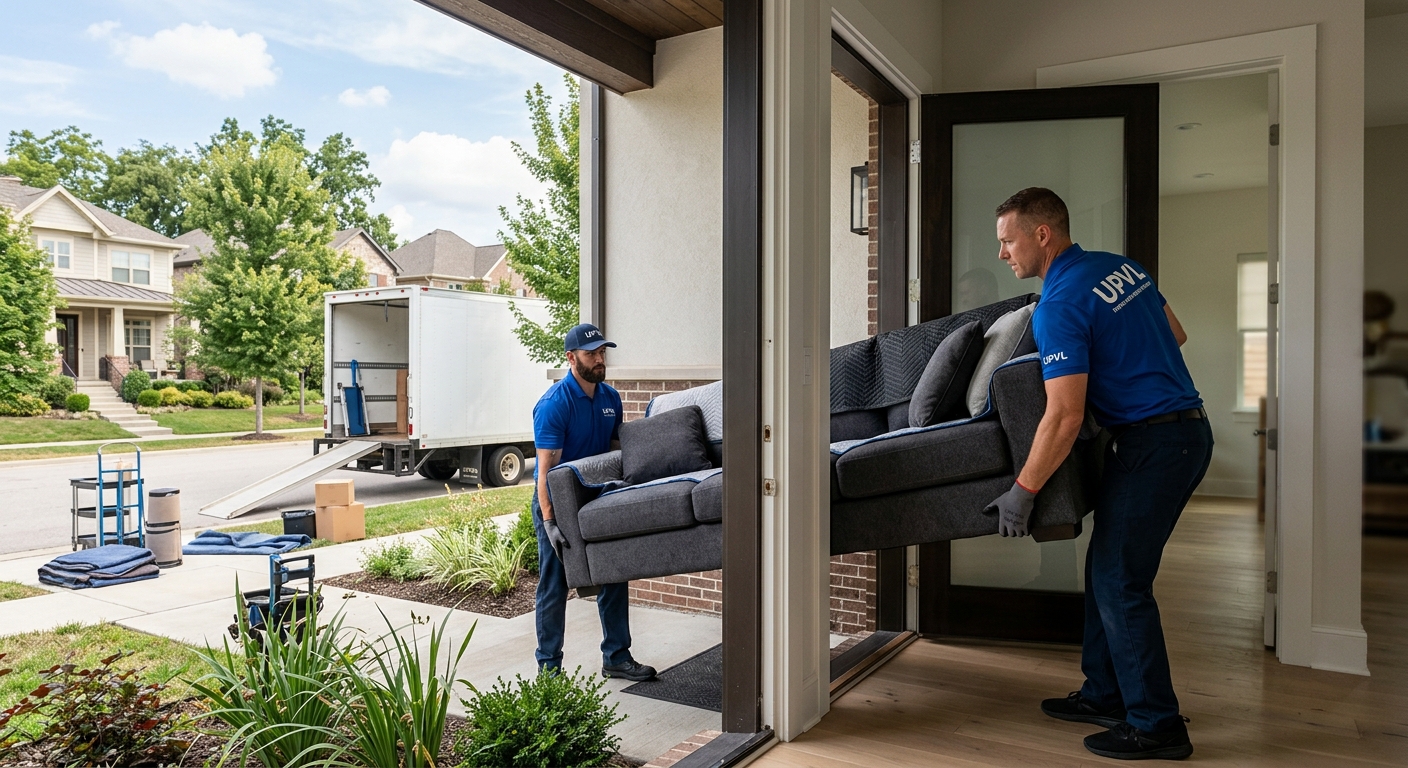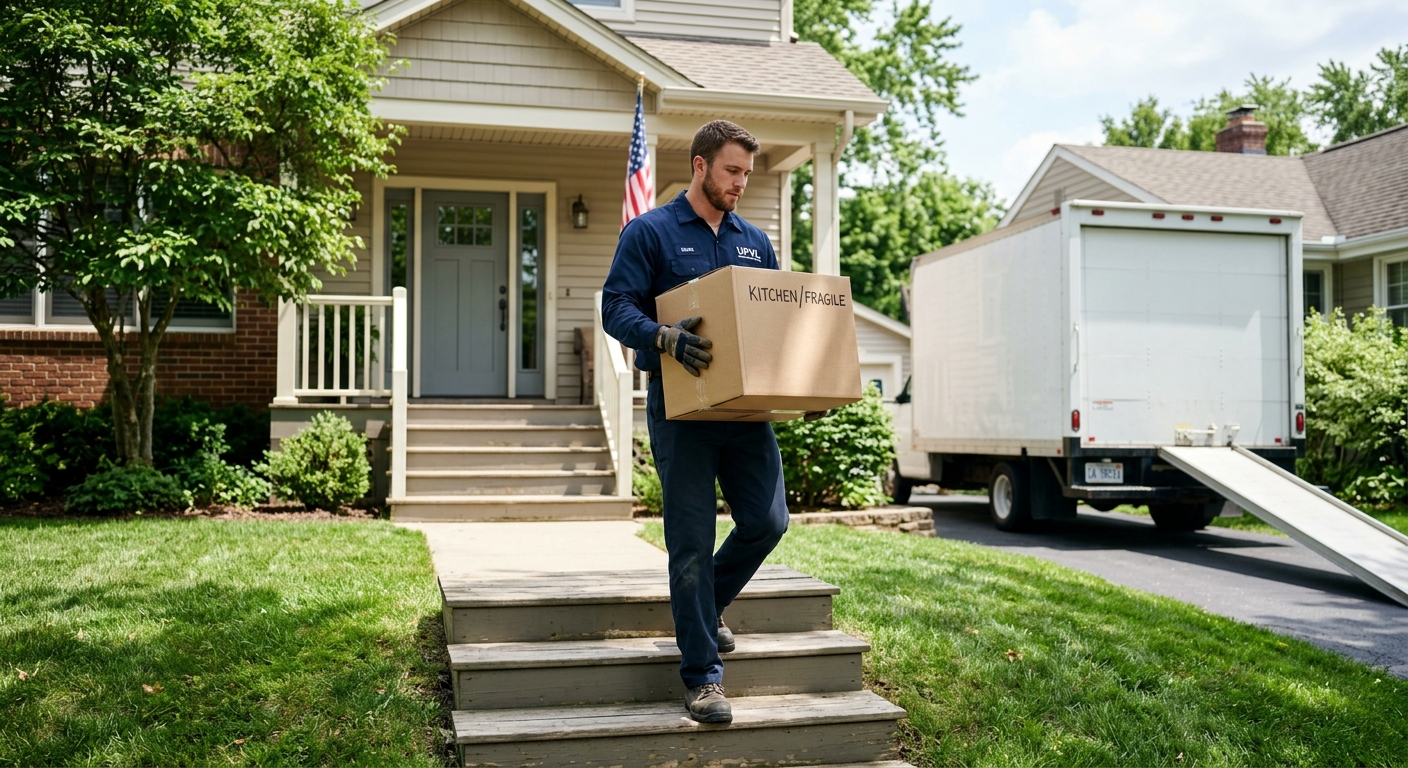
Moving from Los Angeles to Las Vegas or Phoenix looks simple on a map, but desert routes add heat, distance, and timing challenges that many people underestimate. With the right LA to Phoenix movers or LA–Vegas moving team, you can protect your belongings from extreme temperatures, plan safe delivery windows, and avoid surprise costs on moving day.
Quick Navigation
Moves from Los Angeles to Las Vegas and Phoenix are short enough to be done in a day yet long enough to count as interstate relocations with all the rules, paperwork, and protections that go with them. The combination of distance, steep grades, and desert heat means you should treat these like real long-distance moves, not oversized local jobs.
For customers comparing LA to Phoenix movers and LA–Vegas options, the big differences usually come down to:
The Federal Motor Carrier Safety Administration (FMCSA) treats any move that crosses state lines as an interstate move, with specific consumer protections and licensing rules. Source: FMCSA.
That means even a same-day run from Los Angeles to Las Vegas must be handled by properly registered state to state movers Los Angeles customers can trust.
Choosing the right long haul movers LA based, who regularly run to Las Vegas and Phoenix, can be the difference between a smooth day trip and a stressful, overheated mess.
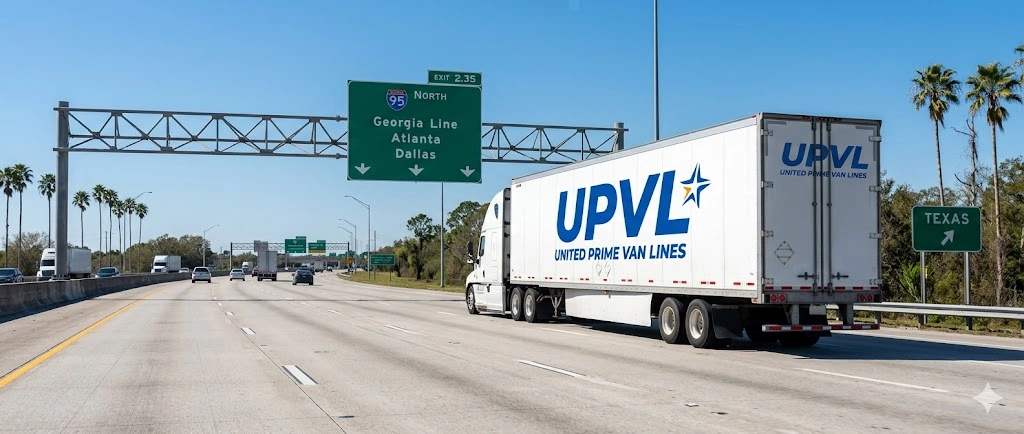
Los Angeles, Las Vegas, and Phoenix form a well-traveled triangle for professional long-haul carriers. Understanding the typical routes and timing helps you ask better questions when you request quotes.
Most movers run LA to Las Vegas via the I-15 corridor. From the San Fernando Valley or the LA Basin, movers typically head toward Cajon Pass, then north through Barstow and across the Mojave Desert.
Friday evenings and holiday weekends (Memorial Day, Labor Day, major fight weekends, and big events) can slow traffic on I-15 significantly. Movers with deep LA–Vegas experience will plan around these peaks and may recommend early morning pickups or weekday dates.
LA to Phoenix typically runs via I-10, crossing the low desert of Palm Springs, Blythe, and into Arizona. Some movers may use I-8 depending on origin and traffic, but I-10 is standard.
Summer in the Coachella Valley and western Arizona regularly sees temperatures above 105°F, with records over 120°F. Source: NOAA. That level of heat is exactly why you want LA to Phoenix movers who understand heat-sensitive packing and truck loading strategies.
Some customers move household goods from LA to Phoenix but need partial delivery in Las Vegas for a family member or business. Multi-stop routes are common for long-haul carriers but require more planning and clear labeling.
Ask your mover how they structure pricing for a second drop-off, and whether it changes the delivery window for the final city.
Not every moving service is the same, even when the distance is similar. Long haul movers LA residents hire for LA–Vegas and LA–Phoenix work can offer several service levels and truck-sharing options.
When you speak with state to state movers Los Angeles based, ask explicitly which category they’re quoting. The delivery window and cost structure change depending on whether you’re alone on the truck or sharing space with other customers.
For LA–Vegas or LA–Phoenix runs, you can usually choose between:
Customers who are worried about the desert heat often choose at least partial packing, letting movers handle artwork, electronics, and heat-sensitive items using the right materials.
If you prefer full packing, look for movers that offer professional options similar to full packing services, including custom crating for high-value items and inventory labeling for multi-stop routes.
Some items need extra care over long, hot miles:
Ask if your movers provide specialty handling such as piano moving or fine art protection similar to piano moving and art & antique moving. It’s better to learn about limitations early, especially for climate-sensitive belongings.
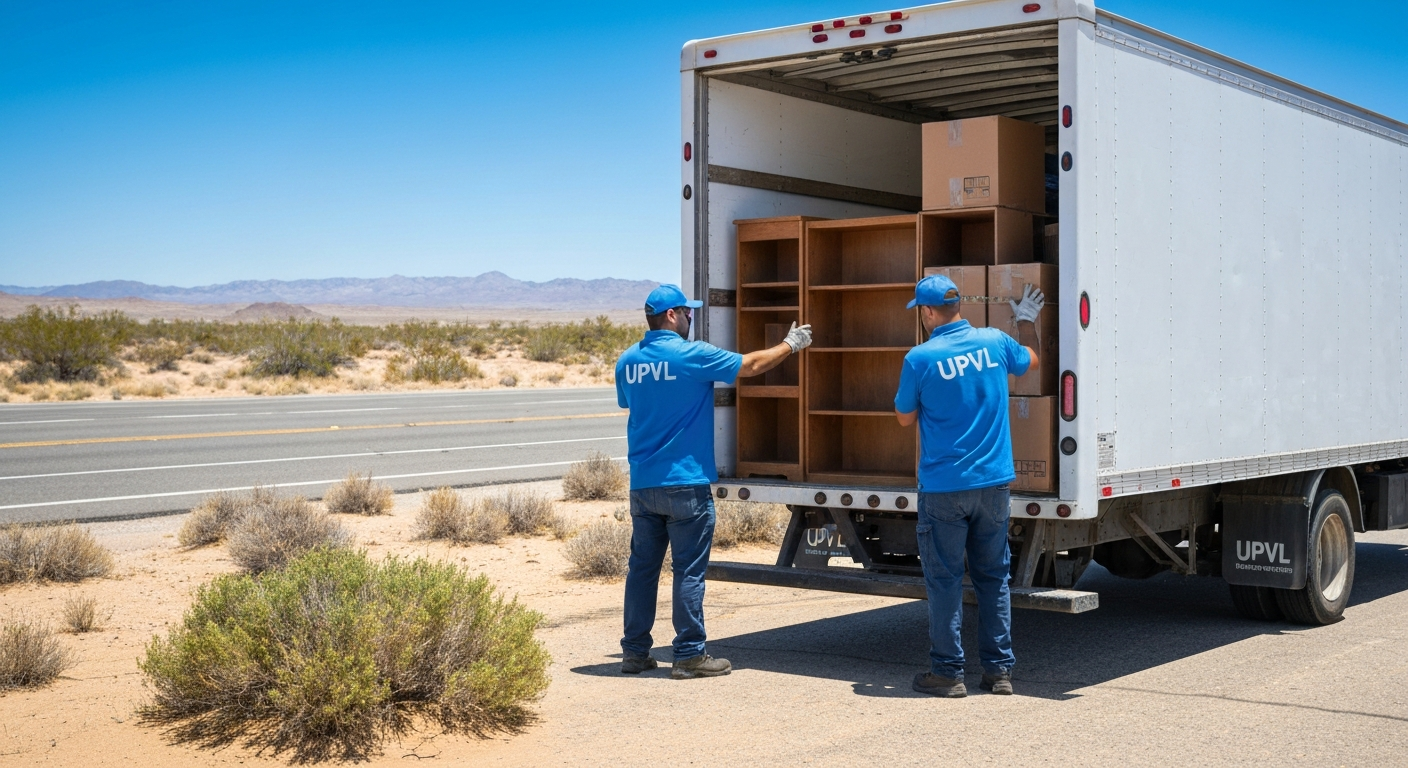
Although LA to Las Vegas and LA to Phoenix feel like regional hops, they are officially interstate long-distance moves, not local jobs. Understanding the difference helps set correct expectations on paperwork, pricing, and consumer rights.
In California, local moves usually mean under 100 miles within the state and are regulated as intrastate household goods moves. Longer or out-of-state moves fall into long-distance or interstate categories with different estimate rules and tariff structures. Source: California Bureau of Household Goods and Services.
Since both Las Vegas (Nevada) and Phoenix (Arizona) are outside California, every LA–Vegas and LA–Phoenix move is an interstate move and must follow federal FMCSA regulations for licensing and consumer protection.
Long haul movers LA customers hire for state-to-state routes should be comfortable explaining these differences. If a company seems unfamiliar with FMCSA rules, consider it a red flag.
Getting out of Los Angeles can be as challenging as the desert drive itself. Common issues include:
These access details affect both cost and timing. For apartment or condo moves, consider a mover experienced with tight urban logistics, similar to apartment moving specialists who know how to handle LA loading zones and building rules.
Customers often ask, "How much will my LA to Phoenix or LA to Vegas move cost?" The answer depends on shipment size, services, season, and flexibility on delivery dates.
Every move is unique, and you should always rely on a customized written estimate. That said, to give you a ballpark for planning, many LA to Las Vegas or LA to Phoenix household moves fall into these ranges:
These are broad ranges to help with budgeting. Exact prices depend on weight, access, and services like packing, crating, or short-term storage. Always compare written estimates from reputable state to state movers Los Angeles customers trust, and watch for unusually low bids that might hide extra fees.
Make sure your mover explains how these are handled in writing. Reliable companies like long-distance moving specialists will outline potential extras clearly before you book.
Interstate estimates can be confusing, especially if you’re used to simple hourly local quotes. The FMCSA recognizes several estimate types, each with different cost protections.
A binding estimate is a guaranteed price for the listed services and items. As long as you don’t add more shipment weight or services, the price should not change. A non-binding estimate is an educated guess based on the mover’s survey; the final cost is based on actual weight and services.
FMCSA requires movers to explain these types and provide estimates in writing. Source: FMCSA.
For LA to Phoenix movers and LA–Vegas carriers, binding or binding-not-to-exceed estimates are popular, especially for full homes where the inventory can be carefully surveyed in advance.
Packing for LA–Vegas or LA–Phoenix is similar to any interstate move, but the desert heat adds extra stress on boxes, plastic, and sensitive surfaces.
If budget allows, professional full packing services can be a strong value on long routes: pros know how to box for vibration, stacking, and temperature swings.
Regardless of distance, some items are better in your own car:
For desert routes, also consider hand-carrying:
On desert routes, labeling matters more because heat-sensitive items may need to be loaded away from metal walls and in areas with better airflow:
Desert routes require special attention to heat-sensitive packing. Long stretches in 100°F+ weather can damage belongings if not packed correctly, especially on LA to Phoenix jobs that spend more time in extreme heat than LA–Vegas runs.
One of the biggest heat-sensitive strategies is timing. Long haul movers LA based often schedule desert runs to avoid the hottest hours of the day.
Ask your mover how they schedule desert routes in July and August and whether they have policies for triple-digit temperatures.
Some items should never be put on a moving truck, but the desert makes the risk even greater. Avoid loading:
Most of these are banned or strongly discouraged under standard moving rules, and heat magnifies the risk. Confirm your mover’s non-allowable items list in writing.
Sometimes timing doesn’t line up: your LA lease ends before your Phoenix home is ready, or your Vegas condo closing gets delayed. That’s when storage comes into play.
For desert regions, climate considerations matter. If your items will sit in Phoenix or Vegas storage for months, ask about temperature or humidity controls. A professional storage provider like secure storage services can offer more protection than a basic outdoor self-storage unit.
Over time, desert heat can dry out wood, warp plastics, and damage electronics. If you must store in a non-climate-controlled unit, consider:
Interstate desert moves have two key safety nets: proper licensing and the right protection plan for your belongings.
An interstate mover is a moving company authorized to transport household goods across state lines. They must have a USDOT number and meet federal safety and insurance requirements. You can verify registration and complaint history through the FMCSA’s mover search tool. Source: FMCSA.
When evaluating long haul movers LA residents hire, always:
A moving broker arranges your move and then hires a carrier to perform the work. A carrier owns trucks and employs the actual crew handling your belongings.
If you work with a broker, ask exactly which carrier will handle your LA to Phoenix or LA to Las Vegas move and verify that carrier’s licensing as well.
Many people call it "moving insurance," but under federal rules it’s technically "valuation coverage." There are two main options on interstate moves:
For example, if a 10-pound TV is damaged under Released Value, you might receive only $6. Under Full Value Protection, compensation is based on actual replacement or repair cost, subject to your policy terms. FMCSA explains valuation options for interstate moves here: FMCSA.
Given the extra risks of heat and long miles, many LA to Phoenix movers and LA–Vegas specialists recommend some form of Full Value Protection, especially if:
Ask for written explanations of coverage limits, deductibles, and how to declare high-value items before moving day.
Because LA–Vegas and LA–Phoenix are relatively close compared to cross-country routes, many customers hope for same-day or next-day delivery. Whether that’s feasible depends on service type, scheduling, and whether your load is shared.
FMCSA allows movers to provide a delivery "spread" (range of days) instead of a single exact day, especially on shared loads. For time-sensitive moves, discuss tight windows early and expect a premium for guaranteed or expedited service.
Same-day LA to Las Vegas delivery is commonly available with the right schedule. Same-day LA to Phoenix can be more difficult due to distance and driver hour regulations but may be doable for smaller moves with multiple drivers or special planning.
Next-day delivery is often realistic for both routes, especially with dedicated service. For extremely urgent situations, look for companies offering expedited or last-minute services similar to last-minute moves, and ask what limits apply to distance and crew hours.
Plan your personal travel to allow for some flexibility. Don’t schedule critical same-evening appointments in Vegas or Phoenix assuming your movers will always arrive at the earliest estimate.
Use this checklist to keep your LA to Las Vegas or LA to Phoenix move organized, especially when working with long haul movers LA based.
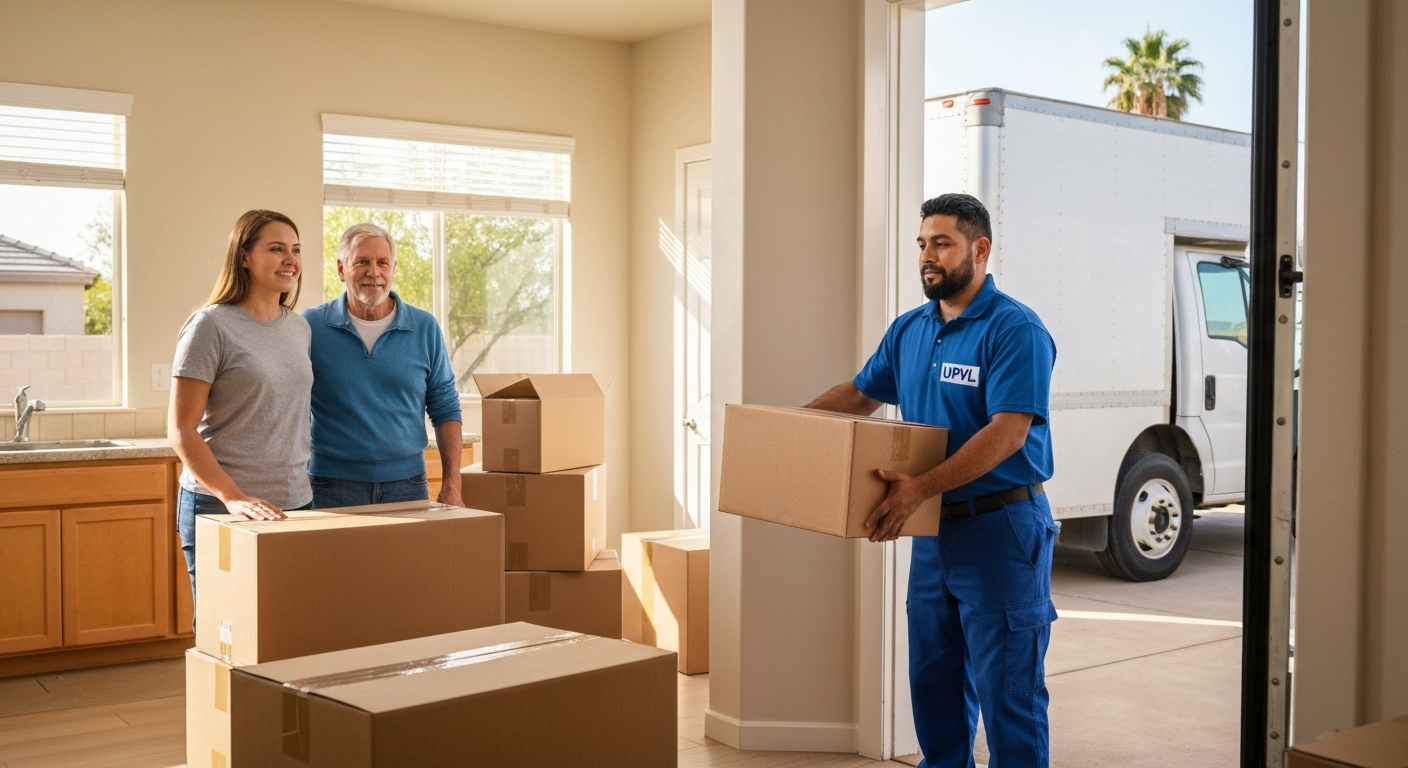
Same-day delivery from LA to Las Vegas is often possible, especially if you book a dedicated truck and an early-morning pickup. Your movers load in LA, drive via I-15, and unload in Vegas later the same day, assuming traffic and building access cooperate.
For LA to Phoenix, next-day delivery is more realistic. Same-day may be possible for smaller shipments with special planning, but many carriers prefer next-day to stay within safe driving hours. Always ask your mover specifically about same- or next-day options and whether an expedited surcharge applies.
Costs depend heavily on shipment size, services, and timing. As a rough planning guide:
These are broad ranges only. Request a detailed written estimate from reputable state to state movers Los Angeles based, and compare what each quote includes—packing, materials, valuation coverage, and any access fees.
You can choose from self-pack, partial packing, or full packing:
Because desert heat adds risks, many customers choose at least partial packing for heat-sensitive belongings, relying on professional techniques and materials similar to professional packing services.
Focus on identifying and protecting sensitive items. Use double-walled boxes where possible, avoid overstuffing cartons, and keep electronics and vinyl away from metal truck walls and floors. Don’t load candles, aerosols, or perishable items on the truck in summer heat. When in doubt, hand-carry very sensitive or irreplaceable items in your climate-controlled vehicle.
Yes. Even though the distances are shorter than cross-country moves, both routes cross state lines, making them interstate moves under federal law. That means they are regulated differently than local, in-state moves and must follow FMCSA rules on licensing, estimates, and consumer protections.
Interstate movers must offer valuation coverage options, not traditional insurance. You’ll choose between basic Released Value Protection (usually up to $0.60 per pound per item) and upgraded Full Value Protection. For desert routes with higher risks for electronics, artwork, and long miles, many customers elect higher coverage. Ask for written details and consider your total shipment value when deciding.
Booking 4–8 weeks in advance is ideal, especially for summer, end-of-month, or holiday moves. If you need a last-minute relocation, some companies can accommodate shorter notice—particularly on these common routes—but flexibility on dates and times helps secure a spot.
No. Professional movers do not transport live plants or pets on interstate routes. The heat and lack of ventilation in a moving truck make it unsafe and, in the case of pets, not compliant with animal transport regulations. You should move pets and plants in your own vehicle, planning rest stops and accommodations around the desert climate.
For California moves, the contact information is:
Moving from Los Angeles to Las Vegas or Phoenix is more than a simple road trip. These are interstate desert relocations that demand serious attention to heat, timing, and proper packing. With experienced long haul movers LA residents trust, you can turn a potentially risky route into a straightforward, well-managed move.
Focus on three things: choose a properly licensed interstate carrier, understand your estimate and delivery window, and pack—or have professionals pack—smartly for heat-sensitive items. Do that, and your arrival in Las Vegas or Phoenix will feel like a fresh start, not a hard lesson in desert logistics.