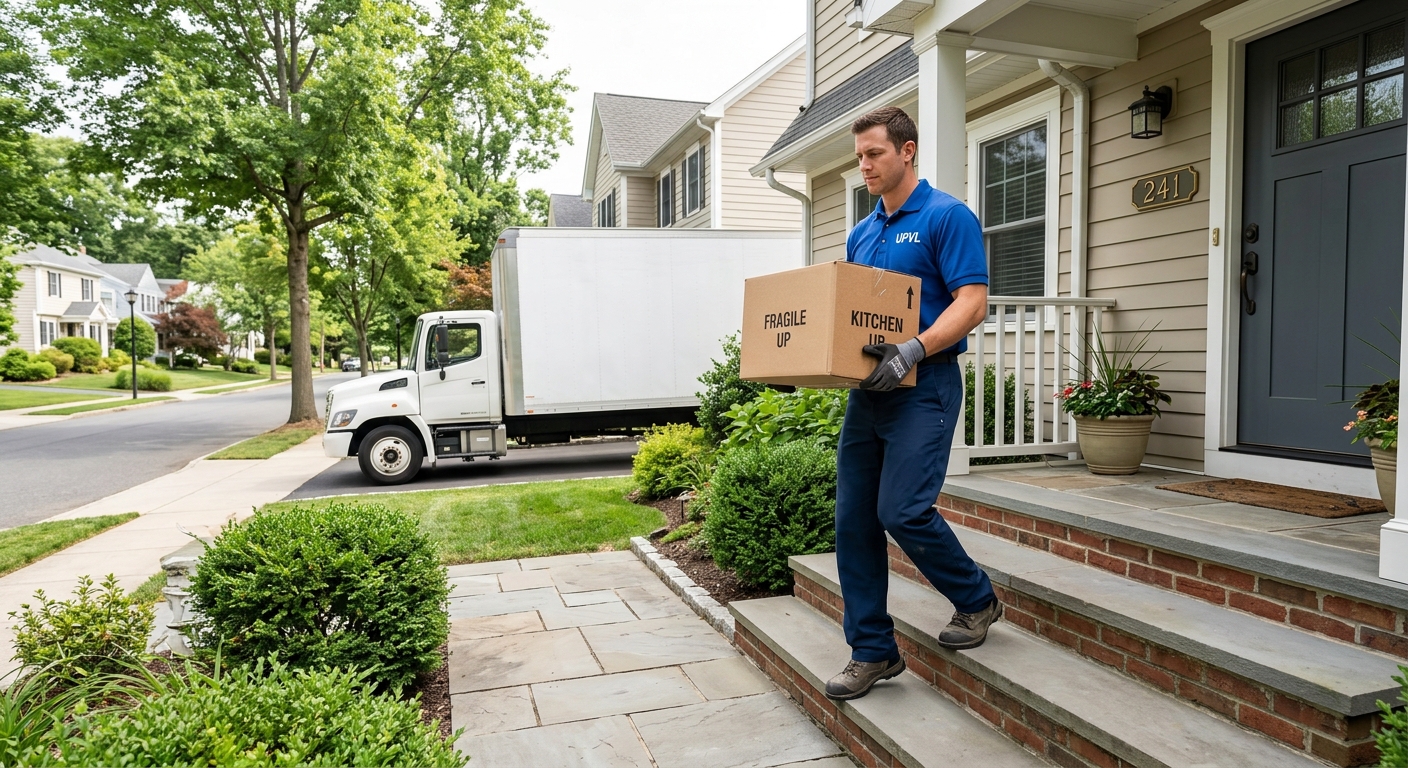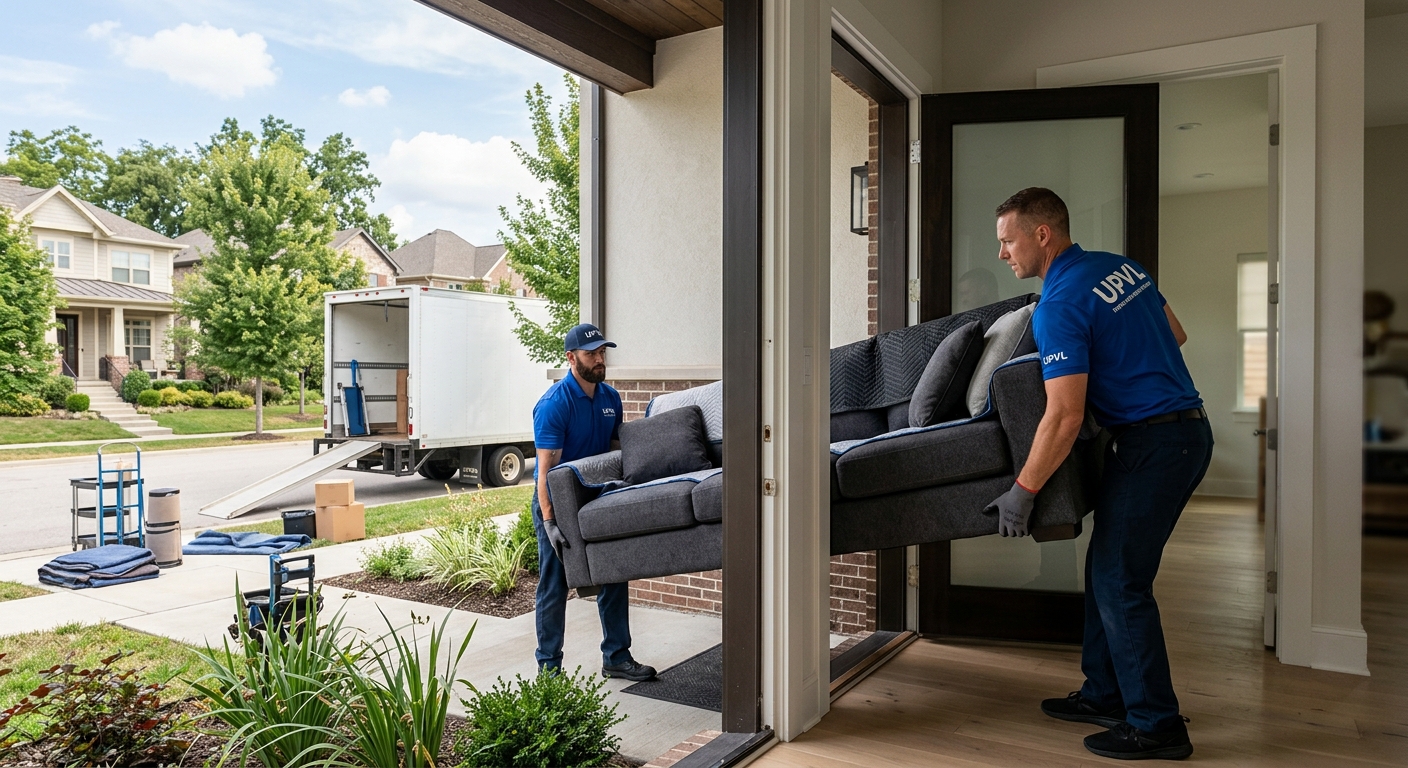
Moving a few blocks or across town in Los Angeles can be just as stressful as a cross-country relocation. Between traffic, parking restrictions, stairs, and tight timelines, choosing the right local moving company LA residents trust can make all the difference in how your day goes.
Quick Navigation
Even a short-distance move in LA has challenges you might not see in smaller cities. A reliable local moving company LA residents rely on has to plan around:
Because LA is a patchwork of very different neighborhoods, from Downtown towers to hillside homes in the Valley, local moving services Los Angeles movers provide must be flexible. A one-size-fits-all approach rarely works here.
Choosing a company familiar with local regulations and building procedures helps prevent surprise delays, parking tickets, or last-minute rescheduling. Experienced movers know when to stage the truck, how to coordinate elevator times, and how to load for steep or winding streets.
| LA Moving Challenge | How It Affects Your Move | What Good Movers Do |
|---|---|---|
| Traffic on I-405, US-101, I-10 | Longer drive times, missed elevator windows | Schedule early slots, use side streets, add buffer time |
| Street parking limits | Tickets, forced long carries | Pull permits when available, pre-scout parking |
| Hills and narrow roads | Access issues for large trucks | Use smaller trucks or shuttle vehicles |
| High-rise rules | Strict load-in/out windows | Reserve elevators, provide COI, time crew precisely |
Companies like United Prime Van Lines in Los Angeles focus on planning around these realities so your move day feels smooth instead of chaotic.
A strong local moving company LA customers can rely on should be ready for everything from a studio move in Koreatown to a full house move in Chatsworth or a quick small move Los Angeles residents need between roommates. Understanding service types helps you choose the right fit.
Apartment movers Los Angeles residents hire deal all day with tight hallways, elevators, and strict building rules. That experience matters more than many people realize.
Common LA apartment move scenarios include:
For these moves, you want movers who will:
House movers Los Angeles homeowners choose often deal with heavier furniture, multiple bedrooms, garages, and outdoor spaces. LA single-family homes also come with unique layout and access issues, especially in hillside or canyon areas.
For house moves, strong planning helps with:
Professional movers may recommend services like furniture disassembly and assembly to handle complex pieces safely and efficiently.
A small move Los Angeles residents book might be just a few pieces of furniture, one bedroom, or a partial office space. The goal is to keep things efficient and cost-effective.
Examples of small moves:
Ask movers if they offer minimum hours and how they handle very small jobs. Some companies have special crews or time windows designed for these shorter moves.
| Move Type | Typical Size | Best-Fit Service |
|---|---|---|
| Studio / Junior 1BR | Few pieces, 10–20 boxes | Apartment movers, small crew (2 movers) |
| 2–3 Bedroom Apartment | Moderate furniture, 30–50 boxes | Apartment movers, mid-size crew (3–4 movers) |
| 3–4 Bedroom House | Full household, garage, patio | House movers, larger crew (4–6 movers) |
| Small move or partial | Few heavy items or 1 room | Small move service, short minimum |
If you are also planning future interstate moves, it can be helpful to choose a company that offers both local moving and long-distance moving, so your information and preferences stay in one place.
Local moving services Los Angeles customers use must adapt to dramatically different neighborhoods. Access and rules in Downtown differ from those in the Valley, on the Westside, or in the hills.
Here are some typical issues movers plan for in popular areas:
| Area | Typical Challenges | Planning Tips |
|---|---|---|
| Downtown LA (DTLA) | High-rises, loading docks, COI, freight elevators | Reserve elevators, ask for COI details, schedule early |
| Hollywood / Koreatown | Busy streets, limited parking, many walk-ups | Scout parking, expect longer carries, consider small truck |
| Westside (Santa Monica, Brentwood) | Strict parking rules, narrow streets, HOA rules | Check posted signs, request HOA moving rules in advance |
| San Fernando Valley (Chatsworth, Van Nuys) | Longer driving distances, heat, large homes | Start early, plan water breaks, larger crews for bigger homes |
| Hills (Bel Air, Hollywood Hills) | Steep, narrow roads, limited truck access | Use shuttle trucks, walk paths beforehand, lighter loads |
Some companies, including United Prime Van Lines in Chatsworth, specialize in Valley access issues like long driveways and hill properties, which can be tricky for inexperienced movers.
Many LA condo and apartment buildings require:
A COI is a document showing your mover’s liability and workers’ compensation coverage, listing your building or management company as a “certificate holder” and sometimes an “additional insured.” This protects the building if damage or injury happens in common areas during your move.
Always ask your building management:
A professional local moving company LA residents hire regularly will know how to prepare and send a COI ahead of time so your move isn’t delayed last minute.
Traffic is the single biggest wild card for any local move in Los Angeles. Planning around it can save hours on the clock and reduce stress.
On a typical weekday, LA traffic peaks during:
According to U.S. Census Bureau commuting data, Los Angeles is consistently among the U.S. metro areas with the longest travel times. That means “just 8 miles away” can take 45 minutes or more during rush hour.
For local moving services Los Angeles customers book, early morning arrival windows (7–9 a.m.) are often ideal because crews can load before traffic peaks and travel during mid-morning when roads are somewhat lighter.
Here are a few example routes and smart planning strategies movers use:
| Route Example | Traffic Risk | Planning Strategy |
|---|---|---|
| Santa Monica to Downtown LA | I-10 congestion, rush hours heavy both directions | Start load by 7 a.m., depart by 9–9:30 a.m., avoid 4–7 p.m. return |
| Hollywood to Burbank | US-101 backups and surface street delays | Use local streets when needed, schedule mid-morning |
| San Fernando Valley to Westside (I-405) | One of the most congested corridors in the U.S. | Very early start, consider Sepulveda Blvd or alternative routes |
| Downtown LA to Long Beach | I-710 truck traffic and port activity | Watch traffic apps, add buffer to elevator windows |
Most local movers charge by the hour, so time spent sitting in traffic directly increases your bill. To reduce the impact:
Some companies build “drive time” into the hourly rate as double drive time (time from their warehouse to your origin, then back from destination to warehouse). Ask your movers to explain exactly how they calculate time affected by traffic.
Even in heavy traffic, efficient parking can save time. Problems arise when the truck must park far from the entrance because of:
Help your movers by:
In some LA areas, temporary parking permits for moving trucks may be available through local authorities such as LADOT. Ask your movers if they can assist or guide you in that process.
Smart packing shortens your move, lowers the risk of damage, and makes it easier to settle in. Local movers in LA typically offer three main approaches: full packing, partial packing, and self-packing with professional guidance.
Full packing means the movers handle nearly everything: boxes, wrapping, labeling, and sometimes even unpacking. This is ideal if you are short on time, have physical limitations, or just want a hands-off experience.
Full packing services from a company like United Prime Van Lines may include:
Partial packing is a popular choice for apartment movers Los Angeles residents hire. You pack most things yourself but let professionals handle:
You can combine partial packing with specialized services like art and antique moving or piano moving when needed.
If you pack yourself, ask your movers for guidance on:
Quality tape, bubble wrap, and packing paper help prevent damage. Avoid using flimsy grocery boxes or overpacked large boxes that may crush at the bottom of stacks.
| Packing Option | Pros | Best For |
|---|---|---|
| Full Packing | Fast, professional, minimal effort for you | Busy professionals, families, last-minute moves |
| Partial Packing | Balanced cost and convenience | People comfortable packing clothes/books but not fragile items |
| Self-Packing | Lowest packing cost | Budget-conscious moves with plenty of prep time |
| Specialty Packing | Extra protection for high-value items | Art, antiques, musical instruments, custom pieces |
During a local move, you may need storage if:
Many local movers offer storage-in-transit, which can be more convenient than self-storage because the same company moves items in and out of storage for you. Services like United Prime Van Lines storage can be used for short or long-term situations.
| Storage Type | Description | Best Use Case |
|---|---|---|
| Short-Term Storage-in-Transit | Professional warehouse storage for days or weeks during a move | Gap between lease dates or minor renovation delays |
| Long-Term Warehouse Storage | Secure vault-style or palletized storage for months or longer | Downsizing, extended travel, or staging a home for sale |
| Self-Storage Unit | Customer-rented storage facility where you manage access | Frequent access to items during and after the move |
| Climate-Controlled Storage | Temperature and humidity-controlled space | Art, antiques, instruments, sensitive electronics |
For house movers Los Angeles customers often choose warehouse storage with limited access to maximize security. If you need frequent access to your items, a self-storage facility may work better.
Most local moves in LA are priced by the hour, but your final bill depends on several connected factors. When comparing local moving services Los Angeles companies provide, always ask each company the same questions so you can compare apples to apples.
Key elements that impact the cost of a local move:
| Factor | How It Increases Cost | How to Control It |
|---|---|---|
| Heavy traffic and long drives | More billable hours for drive time | Book early start times, choose mid-week, avoid rush hours |
| Stairs and long carries | Slower loading/unloading, more labor | Reserve closer parking, arrange elevator if available |
| Disorganized packing | Extra time to move loose items | Fully pack and label boxes before move day |
| Last-minute changes | Rescheduling fees, overtime | Confirm dates with buildings and movers well ahead of time |
Every move is unique, but here are broad examples many customers see:
Remember that these ranges assume average conditions. Add time for heavy traffic corridors, hills, difficult parking, or complex buildings.
Local movers in Los Angeles commonly use hourly pricing, but some offer flat-rate quotes under specific conditions. Understanding both models keeps your expectations realistic and helps you avoid surprise bills.
With hourly pricing, you pay a set rate for a crew and truck. For example, 3 movers and 1 truck might be billed at one combined hourly rate with a minimum number of hours.
Time usually starts when the crew leaves their base or arrives at your origin (depending on company policy) and stops when the last item is placed in your new home. Many LA movers also charge travel time or “double drive time,” as permitted in California, to account for getting to and from your locations.
Some movers offer a guaranteed flat price for local jobs based on a detailed inventory and specific access conditions. Flat-rate quotes are more common on long-distance moves, but they exist locally too.
To be accurate, a flat-rate quote requires:
If conditions change the day of the move (extra items, unreported stairs, or very poor access), flat-rate quotes may be subject to change.
| Pricing Type | Pros | Considerations |
|---|---|---|
| Hourly Rate | Flexible, easy to understand, common for local moves | Traffic and slow access can increase total cost |
| Flat-Rate | Predictable total price when scope is clear | May have stricter conditions, revised if details change |
| Hybrid (Hourly + Caps) | Hourly with possible max cap or not-to-exceed | Requires clear written agreement |
| Specialty Item Pricing | Separate fee for pianos, safes, etc. | Added to whichever base model you use |
When you request quotes, make sure each company explains whether they charge hourly, flat-rate, or a hybrid model, and ask them to send the terms in writing.
Hiring properly licensed and insured movers is essential, not just for long-distance moves, but also for local moves inside Los Angeles.
Local moves within California are governed by the California Public Utilities Commission (CPUC) and historically enforced through agencies like the California Bureau of Household Goods and Services. Legitimate movers should have a California Household Mover permit (often referred to as a CPUC or California mover license).
You can verify a mover’s license status at the state level via resources linked by FMCSA Protect Your Move and California state consumer protection sites.
Movers are required to provide basic coverage for your belongings, but this is not the same as full replacement-value insurance.
For details on the difference between these options, see explanations by FMCSA, which outlines valuation coverage for interstate moves. Local LA companies often follow similar concepts, so always ask:
Many Los Angeles apartments, condos, and office buildings require movers to provide a COI before your move date. This document shows that the moving company carries liability and workers’ compensation coverage and names the building as a certificate holder.
Provide your movers with:
Experienced movers will send the COI directly to management, helping avoid last-minute move cancellations or building access issues.
Use this practical checklist to coordinate with your local moving company LA style—taking traffic, parking, and building rules into account.
| Checklist Stage | Key Tasks | LA-Specific Tips |
|---|---|---|
| 4–6 Weeks Out | Get quotes, vet movers, confirm building rules | Ask about traffic planning and parking strategies |
| 2–3 Weeks Out | Book movers, reserve elevators, start packing | Confirm if COI is required for either building |
| 1 Week Out | Finish packing, label boxes, confirm details | Check street cleaning schedules and no-parking signs |
| Move Day | Walkthrough, oversee loading/unloading, final check | Have a plan if traffic delays arrival at your new building |
For last-minute situations, some companies, including United Prime Van Lines last-minute moves, may be able to accommodate tight timelines—but availability is always better if you plan ahead.

Hourly rates vary by company, crew size, and day of the week, but many local movers in LA charge a combined hourly rate for a set number of movers and a truck. For example, you might see pricing based on 2 movers and 1 truck versus 3 or 4 movers and 1 truck. The exact numbers change with market conditions, so always request a written quote that clearly states the hourly rate, minimum hours, and how travel time or “double drive time” is billed.
Stairs almost always increase the time required to load and unload, which raises the total cost when you are paying by the hour. Carrying boxes and furniture up or down multiple flights slows the crew and may require more frequent breaks, especially on hot LA days. Be sure to tell your mover exactly how many flights of stairs are involved at both the origin and destination so they can recommend an appropriate crew size and estimate time more accurately.
Parking is a major factor in LA moves. Movers usually park as close to the entrance as legally possible, but they must comply with red curbs, fire lanes, street cleaning restrictions, and posted no-parking signs. Long distances between the truck and your door mean long carries, which add to the time and cost. You can help by checking for restrictions beforehand, reserving any available loading area or driveway, and discussing parking photos and details with your movers prior to move day.
Traffic impacts your move significantly in Los Angeles because most local moves are charged by the hour, including some or all of the drive time. Congested corridors like I-405, US-101, and I-10 can turn a short drive into a long one. To minimize cost, aim for early morning starts, avoid peak rush hours when possible, and choose mid-week dates. Ask your movers how they handle travel time and whether they charge double drive time or another structure allowed under California rules.
Yes. While no one can fully avoid LA traffic, you can reduce your exposure. Many customers pick early morning arrival windows so loading is completed before the heaviest mid-day and afternoon traffic. Mid-week days (Tuesday–Thursday) are often less congested than Fridays or weekends. Share your route details with the moving company so they can recommend the best time frame based on current traffic patterns.
Tell your mover about:
The more information you provide, the more accurate their time and cost estimates will be, and the less likely you will encounter surprises on move day.
Most professional movers will disassemble and reassemble standard furniture items like bed frames and dining tables as part of their service. For more complex or delicate items, such as custom pieces or large sectionals, you may want enhanced services like furniture disassembly and assembly, which ensure that everything is taken apart and rebuilt correctly.
For a small move Los Angeles residents often worry they are “too small” for professional movers. In reality, many companies offer short minimums or special small-move services for studio apartments, single rooms, or just a few bulky items. Explain your inventory clearly so they can recommend the right crew size, time window, and truck type. Small moves are especially helpful in dense neighborhoods where parking and stairs make DIY options difficult.
Booking at least 3–4 weeks ahead is ideal, especially during peak moving seasons such as summer and end-of-month periods. Shorter notice may still be possible, but flexibility on dates and times becomes more important. For truly short-notice relocations, companies offering last-minute moves may help, subject to availability.
For California moves, the contact information is:
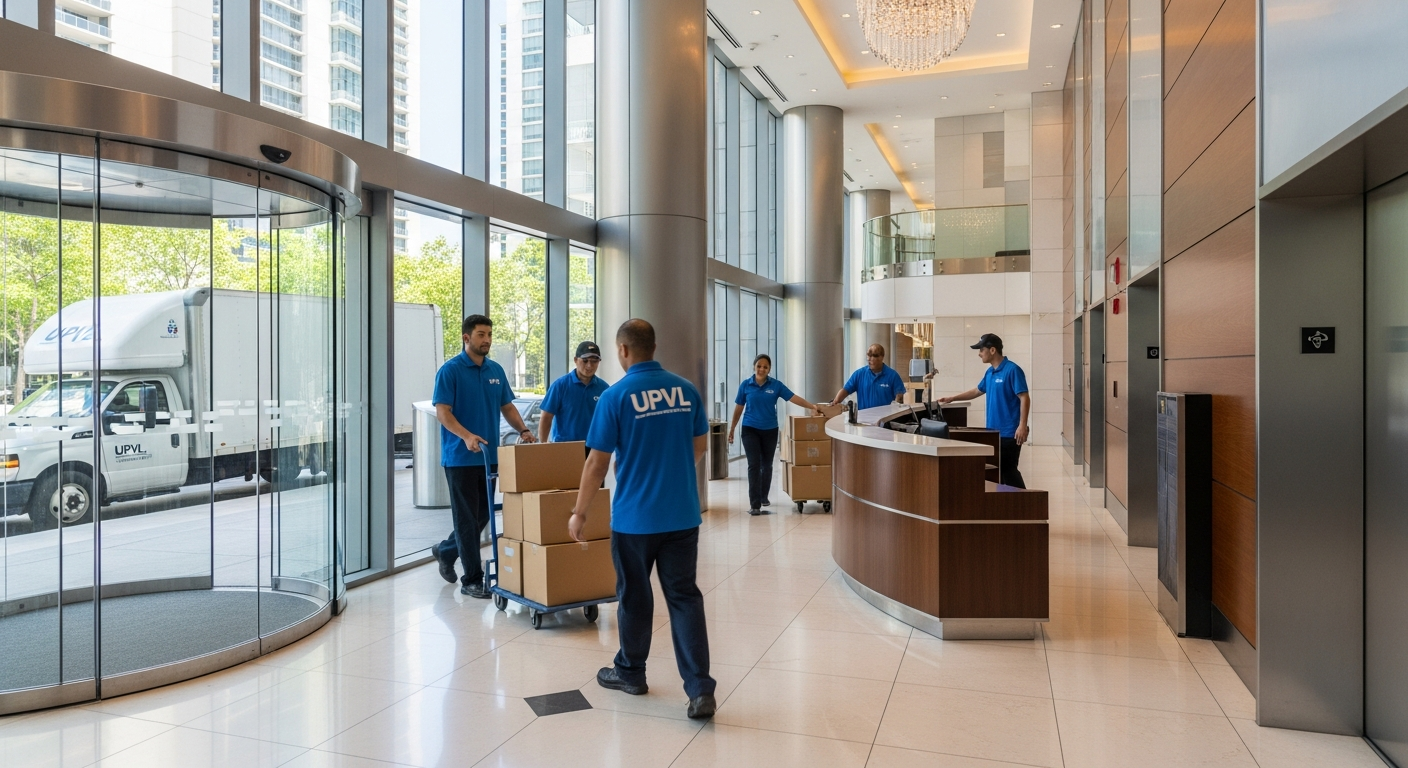
Local moves in Los Angeles might only cover a few miles on the map, but between traffic, parking, stairs, and building rules, they require careful planning. The right local moving company LA residents choose does more than just carry boxes—it anticipates neighborhood challenges, helps you schedule around congestion, manages building requirements, and protects your belongings from start to finish.
Whether you are working with apartment movers Los Angeles style for a studio in Koreatown, house movers Los Angeles homeowners rely on in the Valley, or a simple small move across town, investing time in planning and choosing experienced professionals pays off on move day. With clear communication, realistic expectations, and smart traffic and parking strategies, your LA move can be efficient, predictable, and far less stressful.