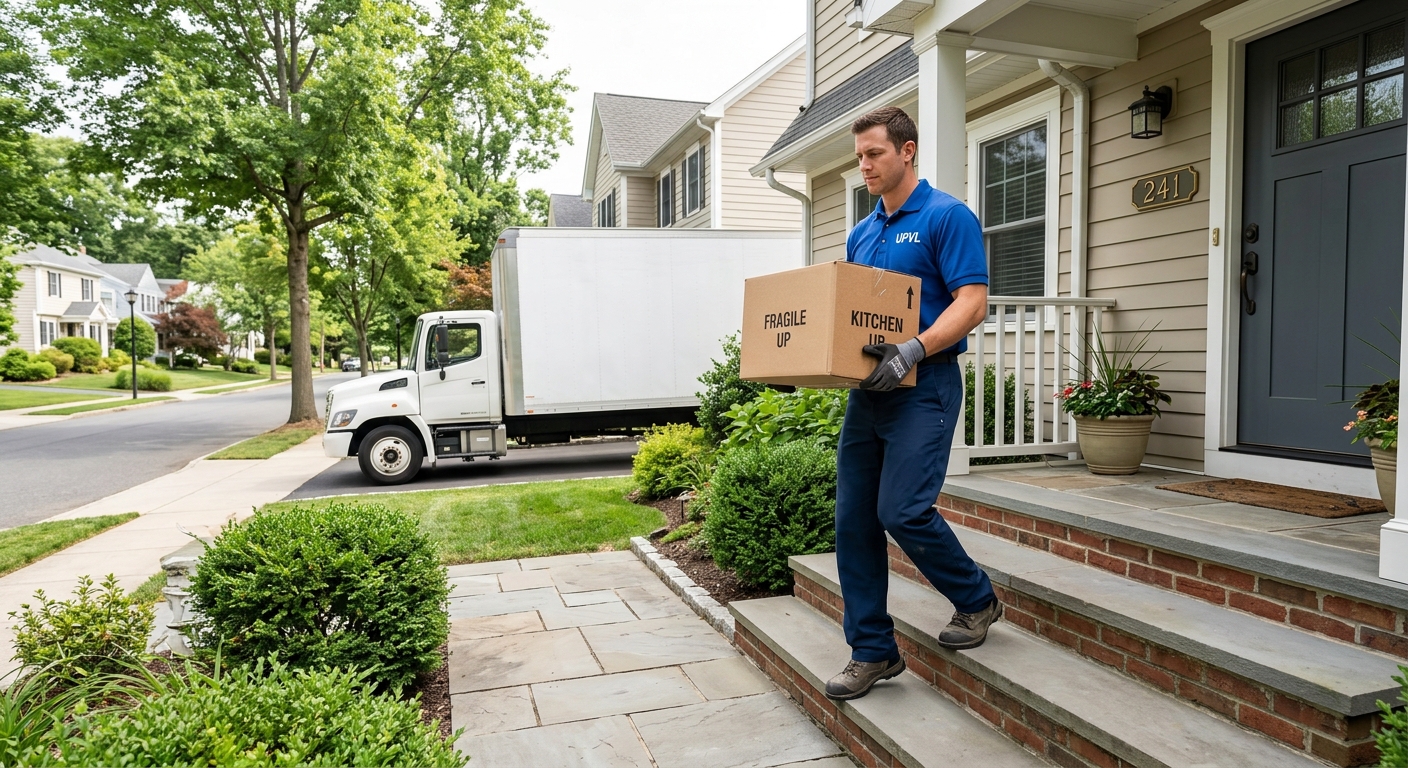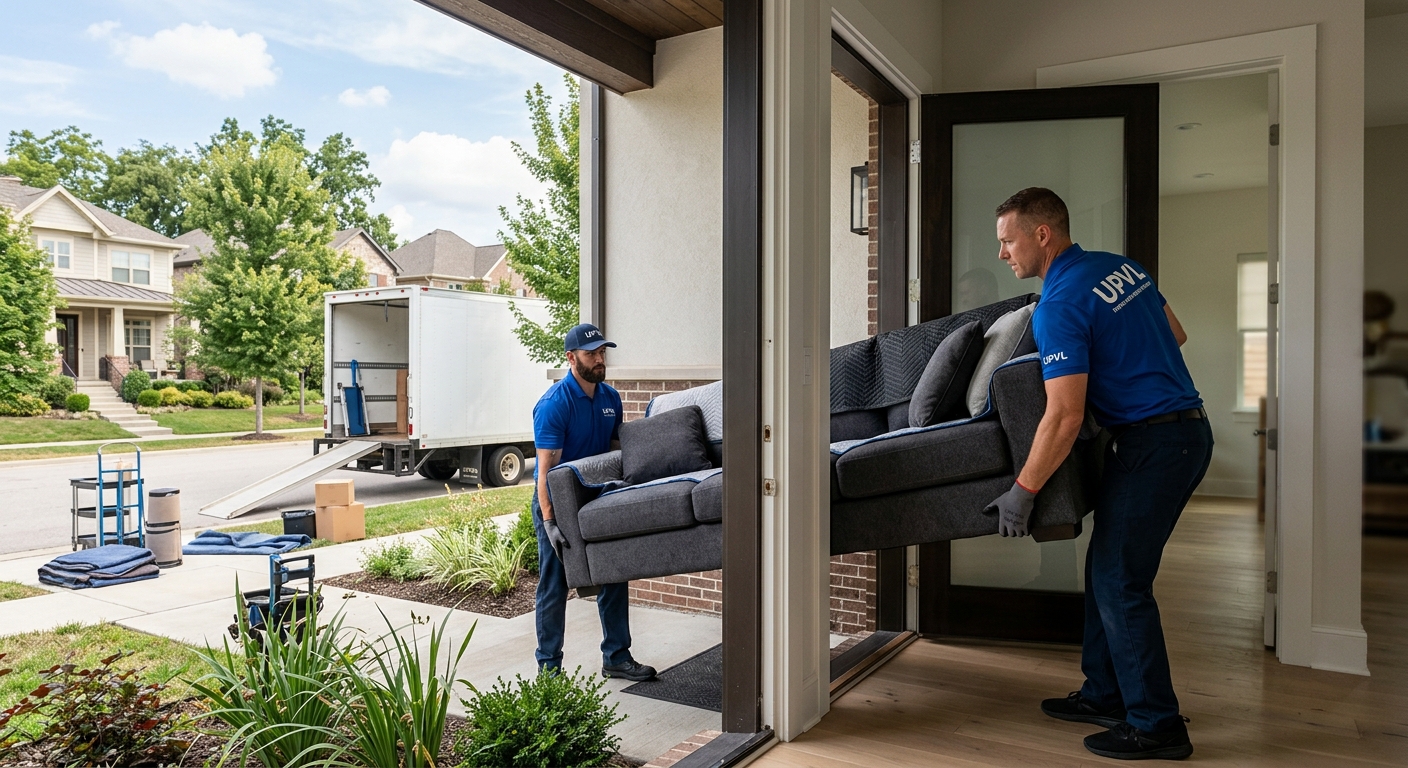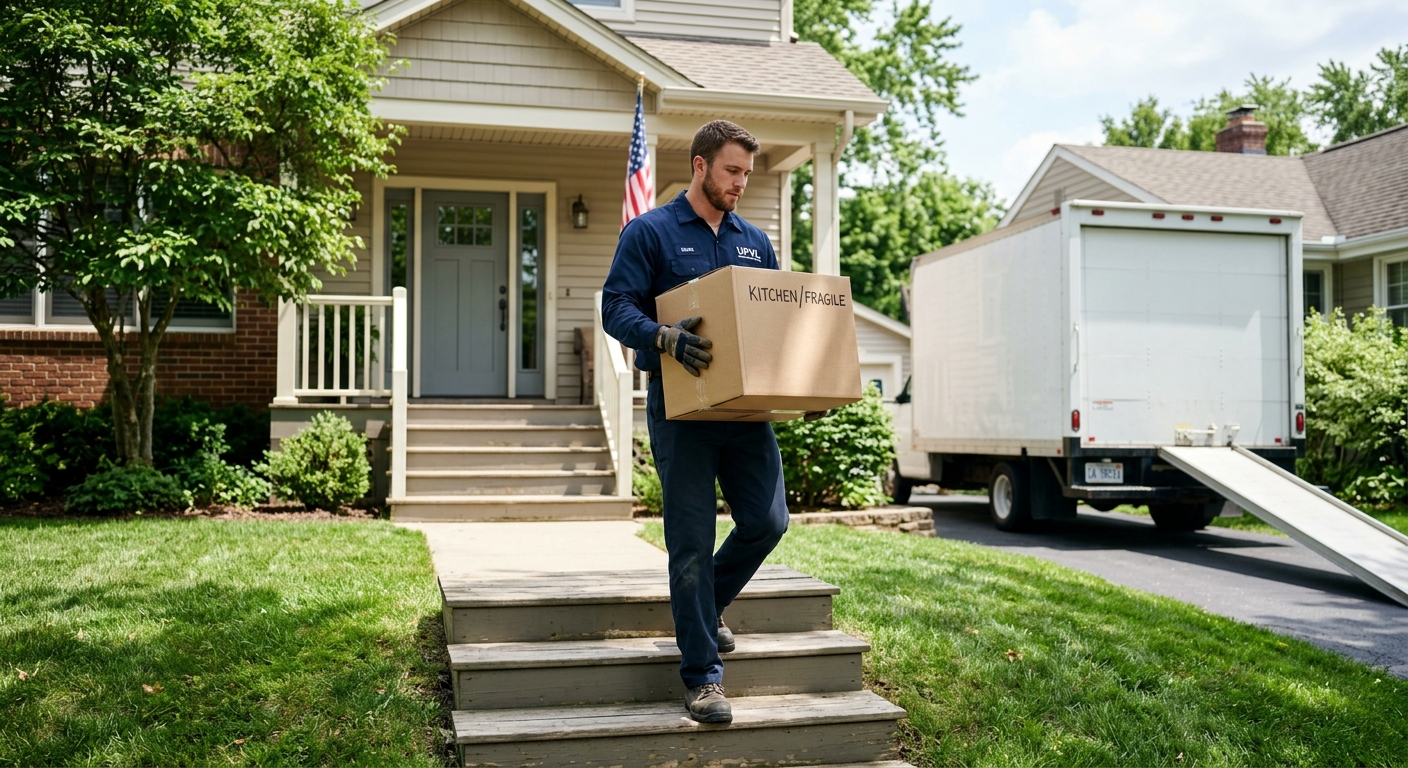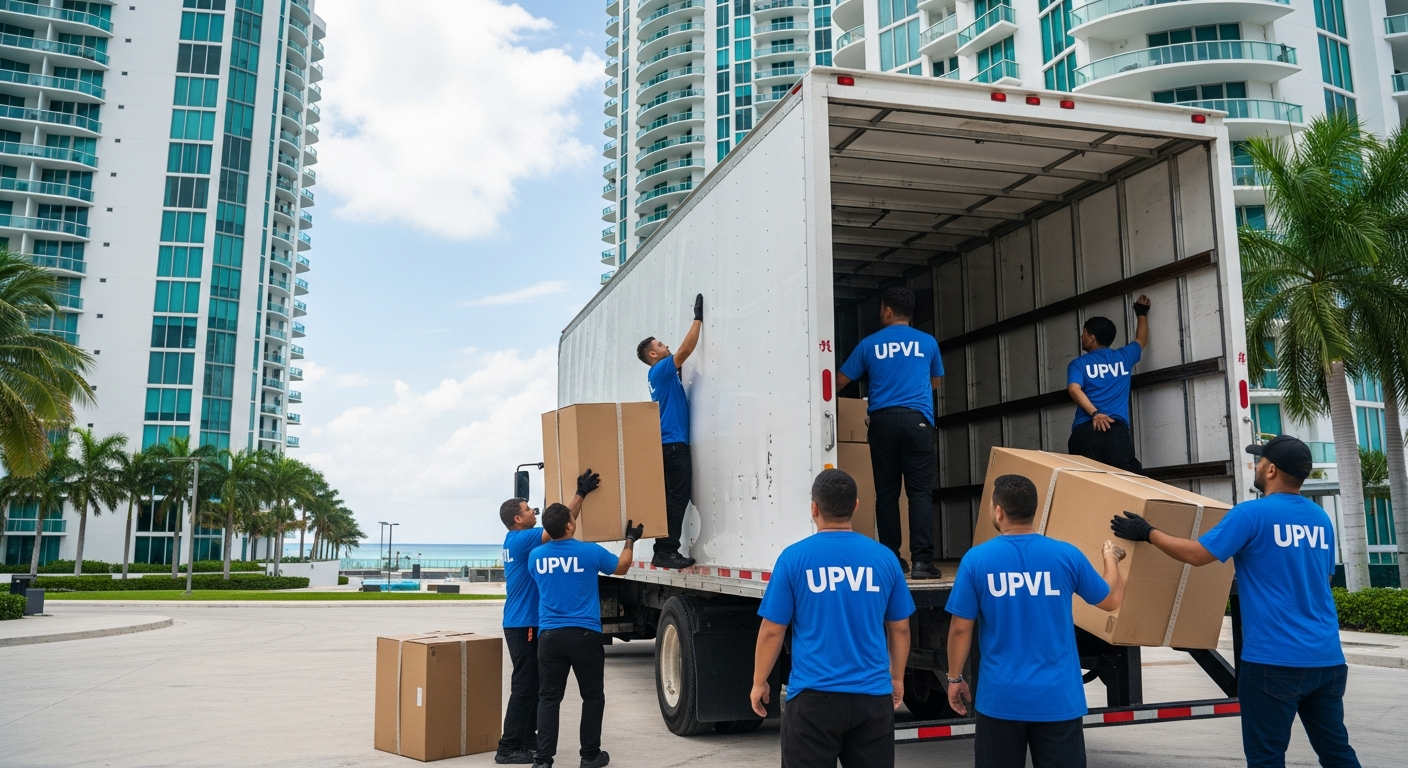
Moving from Miami to Texas is a big change in distance, lifestyle, and logistics. Whether you are heading to Houston, Dallas, or Austin, working with experienced Miami to Texas movers can make the process smoother, safer, and more predictable in terms of cost and delivery time.
Quick Navigation
Long-distance relocations from South Florida to Texas combine interstate regulations, long highway stretches, and weather considerations. You are not just changing states; you are crossing multiple climate zones and urban environments that affect packing, timing, and the type of Miami to Houston movers, Miami to Dallas movers, or Miami to Austin movers you hire.
A Miami-to-Texas move is typically 1,100–1,400+ miles, depending on the city. That distance means:
Those realities are very different from a same-day local move where a minor packing mistake is easy to fix.
For interstate moves, a mover’s federal licensing, estimate type, and valuation coverage directly determine your protection level. The Federal Motor Carrier Safety Administration (FMCSA) regulates interstate carriers and explains your rights and responsibilities as a shipper. Source: FMCSA.
Working with a properly licensed carrier like United Prime Van Lines long-distance moving can give you:
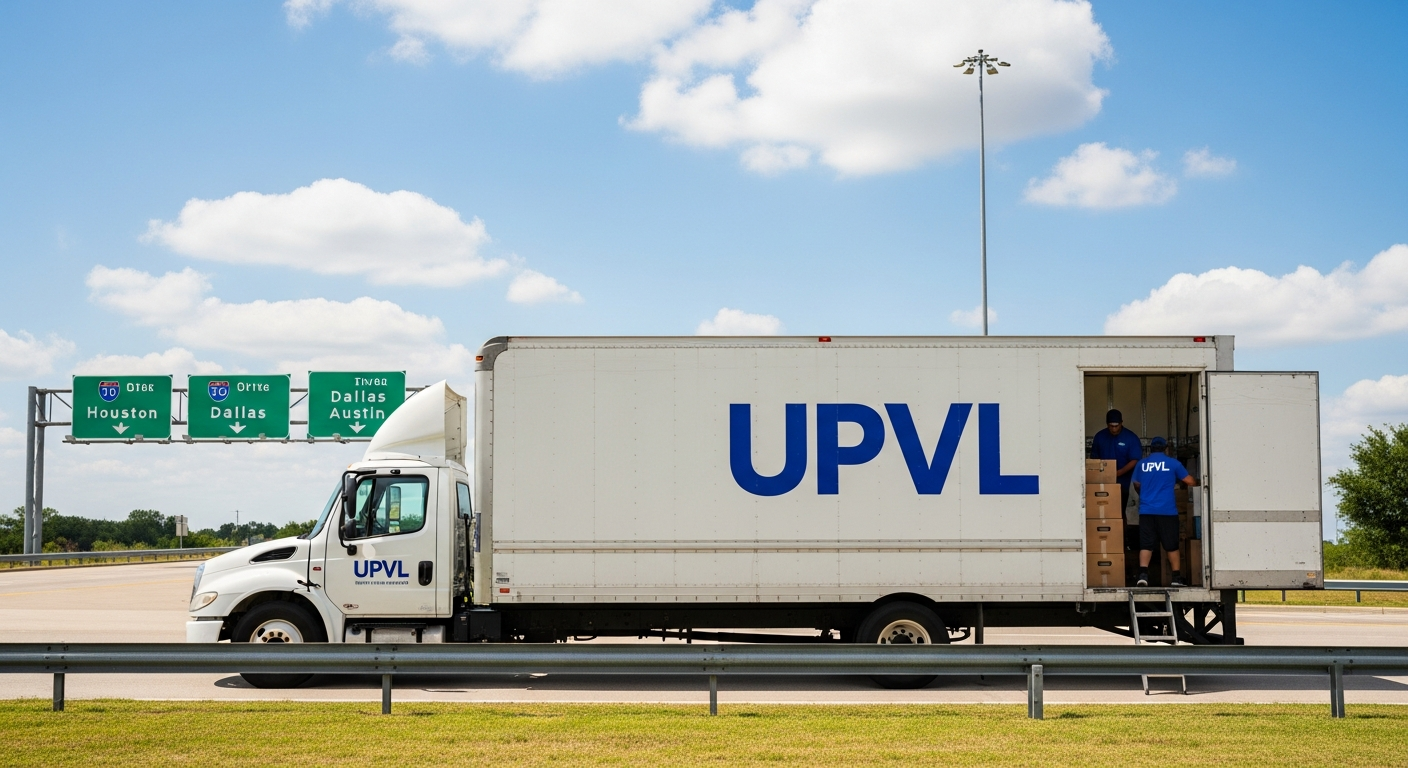
Florida to Texas movers typically use I-95, I-10, and other major interstates to move shipments safely and efficiently across multiple states. Although exact routing depends on traffic, weather, and your origin and destination addresses, there are common patterns.
| Route | Approx. Distance | Typical Use Case |
|---|---|---|
| Miami – I-95 N – I-10 W – Houston | ~1,180 miles | Most common for Miami to Houston movers; major interstate corridors |
| Miami – I-75 N – I-10 W – Dallas | ~1,300 miles | Used by Miami to Dallas movers; balances distance with truck-friendly roads |
| Miami – I-75 N – I-10 W – Austin | ~1,350 miles | Preferred by Miami to Austin movers; connects through San Antonio corridor |
| Miami – Mixed interstates via Gulf Coast | Varies | Sometimes used in hurricane season or for weather avoidance |
Transit times for these routes are strongly influenced by federal hours-of-service rules, which limit daily driving time for truck drivers. Source: FMCSA Hours of Service.
Both Florida and Texas have long hurricane seasons, officially June 1 to November 30. The National Hurricane Center tracks tropical storms and hurricanes that can affect I-10 and Gulf Coast routes. During active storm periods, movers may need to:
Heat and humidity are also major factors in packing methods—especially for electronics, wooden furniture, and artwork—which can expand, contract, or warp if not properly protected.
Miami to Houston movers handle one of the most popular Florida-to-Texas corridors. Both cities are coastal, diverse, and heavily influenced by energy, trade, and healthcare industries, but the lifestyle, cost of living, and traffic patterns are different.
How close a moving truck can park to your front door matters for cost, loading time, and delivery conditions. In Houston, access can vary by neighborhood:
| Houston Area | Access Challenges | Planning Tips |
|---|---|---|
| Downtown / Midtown | Busy streets, limited truck parking, loading zones | Reserve loading dock if your building has one, confirm time windows |
| Inner Loop (Montrose, Heights) | Narrow streets, tree coverage, tight driveways | Discuss shuttle truck or smaller truck with your Florida to Texas movers |
| Suburbs (Katy, Sugar Land, Cypress) | HOA rules, gated communities, long walks from street | Check HOA guidelines and visitor entry rules ahead of time |
| Medical Center / Museum District | High daytime congestion, complex campus roads | Schedule off-peak delivery times when possible |
These details affect how many movers are needed and whether a shuttle is required. A shuttle is a smaller truck or van used when the main trailer cannot access the property, adding to overall cost.
On a dedicated, well-planned run, the driving time between Miami and Houston is about 18–20 hours of road time. With federal driving limits, fuel and safety stops, and potential weather issues, most residential shipments move within a delivery window of around 3–7 business days from the pickup date, depending on:
Some of the most common move types on this corridor include:
If you are leaving a Miami high-rise building in areas like Brickell or Downtown, check elevator reservation rules, loading dock hours, and certificate of insurance (COI) requirements. Many Miami buildings require your mover to submit a COI naming the building and management company as additional insured—a document any professional interstate mover can provide.
Miami to Dallas movers manage a slightly longer route than Miami to Houston, but the payoff can be lower cost of living and a booming job market in DFW. Dallas–Fort Worth has dense urban zones, master-planned suburbs, and homeowner association (HOA) communities, all of which shape your moving-day strategy.
| Dallas / DFW Area | Common Issues | Planning Advice |
|---|---|---|
| Downtown Dallas / Uptown | Garage height limits, loading dock reservations | Confirm dock access and elevator reservations with building management |
| Plano / Frisco / McKinney | HOA rules on truck parking and hours | Ask HOA about moving truck placement and time curfews |
| Irving / Las Colinas | Office parks and mixed-use zones | For office moves, confirm COI and after-hours access |
| Fort Worth / Arlington | Mix of older and newer housing stock | Discuss long carries, stairs, and potential shuttle use with mover |
Because DFW is highly spread out, it is important your team knows exactly which suburb or city you are moving to, not just “Dallas.” That detail helps the mover plan the most efficient local routing on delivery day.
Driving distance from Miami to Dallas is roughly 1,300 miles. A realistic delivery window for household goods is often 4–8 business days from pickup, with smaller shipments potentially grouped with other loads. Make sure your written estimate clearly shows the estimated pickup date and the delivery spread (for example, “delivery expected between June 4 and June 10”).
FMCSA encourages shippers to get all dates and windows in writing and explains how delivery spreads work. Source: FMCSA Moving Checklist.
Hiring full-service Miami to Dallas movers is especially helpful when:
Miami to Austin movers support one of the trendiest relocation patterns: leaving the South Florida coastline for the tech-forward, music-rich capital of Texas. Austin’s mix of urban core, older neighborhoods, and new suburban developments makes access planning and truck size decisions especially important.
| Austin Area | Potential Challenges | Key Tips |
|---|---|---|
| Downtown / Rainey Street | Parking restrictions, tight garage entries | Reserve loading zone, confirm building COI requirements |
| South Congress / Bouldin | Narrow streets, limited street parking | Ask about smaller trucks or shuttles, plan for longer carry distances |
| North Austin / Domain | Mixed-use complexes, shared garages | Clarify loading dock access with property management |
| Suburbs (Round Rock, Cedar Park) | HOA, cul-de-sac access | Inform mover about turns, steep driveways, and parking limits |
Austin is known for live events, festivals, and game days that can clog roads. For large events like SXSW or major football weekends, aim to avoid arrival days that overlap with heavy downtown traffic unless your mover specifically plans around it.
Miami to Austin is roughly 1,350 miles by truck. Transit windows are similar to Miami–Dallas runs, often 4–8 business days, with possible variation based on:
During peak summer, booking early is critical. Florida to Texas movers often fill their schedules months ahead of June–August moves, and better planning can secure more favorable windows and pricing.
Interstate moves from Miami to Houston, Dallas, or Austin can be tailored to your budget, schedule, and how hands-on you want to be. Most customers choose from a set of core service types.
| Service Type | What It Includes | Best For |
|---|---|---|
| Standard Full-Service | Loading, transportation, unloading; you pack boxes | Budget-conscious moves with time to self-pack |
| Full Packing Service | Mover packs all or most items, plus loading and transport | Busy professionals, families, and long-distance relocations with limited prep time |
| Partial Packing | Mover packs fragile or select items; you pack the rest | Customers confident packing clothing/books but want experts for breakables |
| White-Glove / Premium | Full packing, custom crating, debris removal, detailed setup | High-value homes, art collections, executive relocations |
United Prime Van Lines offers a range of customizable options so your Miami to Texas move fits your specific needs, from apartments to single-family homes to small offices.
Consider adding specialty services when moving valuable or complex items:
Packing quality is one of the biggest factors in how well your belongings survive the long trip from Miami to Texas. Long-distance truck vibration, heat, and multiple handling points mean that “good enough” packing for a local move may not be safe enough across 1,300+ miles.
| Packing Approach | Pros | Considerations |
|---|---|---|
| Full Professional Packing | Fast, efficient, materials included, optimal protection | Higher cost; must be scheduled in advance |
| Partial Packing (Fragiles Only) | Experts handle breakables; you save on labor for soft goods | Requires clear item list and planning |
| DIY Packing | Lower upfront cost, flexible timing | Risk of under-packing and damage; more effort and time |
| Hybrid Approach | Mix of pro-packed key items + DIY for clothes/books | Requires coordination on packing dates and responsibilities |
United Prime Van Lines provides full packing services as well as materials if you prefer to pack yourself.
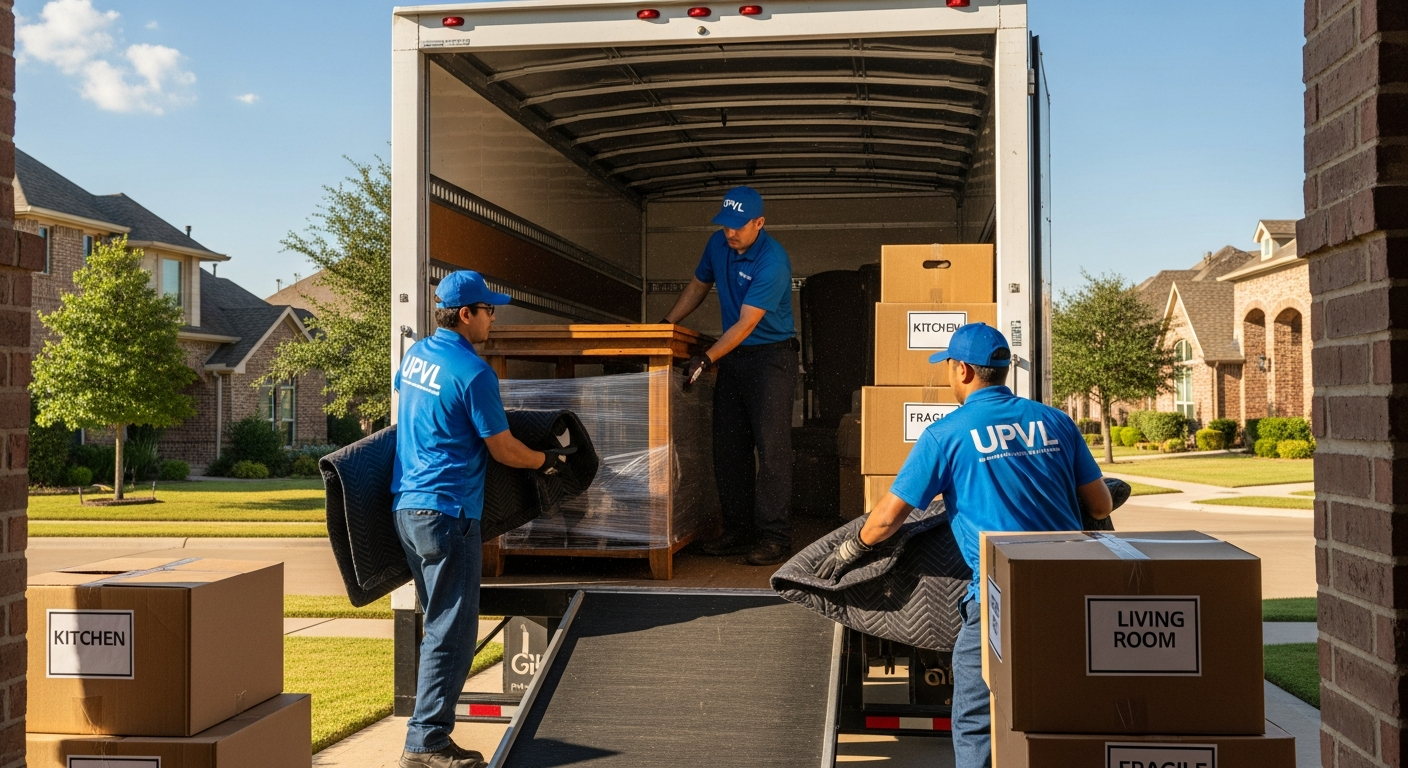
Sometimes your move-out and move-in dates do not align. In that gap, storage becomes part of your Miami-to-Texas moving strategy.
| Storage Type | How It Works | Best For |
|---|---|---|
| Warehouse Storage (Mover-Managed) | Items loaded into vaults or on pallets in a secure facility | Customers needing storage-in-transit between Miami and Texas |
| Storage-in-Transit (SIT) | Short- to medium-term storage built into your moving contract | Gap of a few weeks between home closings or leases |
| Self-Storage | You rent a unit and coordinate unloading/transport yourself | Very flexible or staggered moves; local access |
| Hybrid (Partial Storage) | Some items go straight to Texas; others remain stored | Seasonal gear, excess furniture, staging homes for sale |
United Prime Van Lines can incorporate storage into your long-distance plan—see storage options—so your belongings are secured until your Texas home is ready.
Both Miami and Texas are hot, humid, and in some areas, prone to storms. When selecting storage:
City-to-city moving cost is a top concern for most customers. Interstate moving from Miami to Houston, Dallas, or Austin is typically priced based on shipment weight, distance, dates, and service level rather than an hourly rate.
| Cost Factor | How It Affects Price | Example Impact |
|---|---|---|
| Shipment Size / Weight | Heavier and larger moves cost more to transport | 4-bedroom home vs. 1-bedroom apartment |
| Distance and Route | Longer routes require more fuel and time | Miami to Austin often slightly higher than Miami to Houston |
| Time of Year | Peak season (summer) typically costs more | June weekend costs more than mid-January weekday |
| Origin/Destination Access | Stairs, shuttles, long carries increase labor | Brickell high-rise + Downtown Houston apartment |
Exact pricing requires an inventory and access details, but these ballpark ranges (for a professionally handled move, excluding optional services) illustrate how cost scales:
| Move Size | Example | Approximate Range* |
|---|---|---|
| Small Load | Studio or partial apartment | $2,000 – $3,500 |
| Medium Load | 1–2 bedroom apartment | $3,000 – $5,500 |
| Large Load | 3–4 bedroom home | $5,500 – $9,000+ |
| High-End / Complex | Large home with packing, storage, specialty items | $9,000 – $15,000+ |
*These figures are broad examples only. Your actual quote depends on your item list, dates, and chosen services.
While distance is the main variable, local access and demand also influence pricing:
To get accurate city-to-city cost, movers need a detailed inventory list, origin and destination addresses, and an approximate move date range.
Understanding how estimates work for interstate moves protects you from surprises. FMCSA distinguishes between binding and non-binding estimates and explains the rules in detail. Source: FMCSA.
| Estimate Type | Definition | Pros and Cons |
|---|---|---|
| Non-Binding Estimate | Approximate cost based on estimated weight; final price based on actual weight | Flexible but final bill may be higher or lower than initial quote |
| Binding Estimate | Fixed price for listed services and inventory | Predictable cost; changes require written addendum if inventory increases |
| Binding Not-to-Exceed (AKA Guaranteed Not-to-Exceed) | You pay the lower of binding amount or actual cost | Consumer-friendly; often preferred for interstate moves |
| Hourly (Local Only) | Charged per hour per crew; uncommon for interstate work | Usually used for local work in Miami or in your Texas city, not between states |
Binding estimate: A written agreement that locks in a specific price based on the inventory and services listed. If you add items or request extra services, the mover should issue a revised binding estimate or an addendum.
Non-binding estimate: A good-faith estimate of cost, but your final charges are based on the actual weight of your shipment and services provided. Regulations limit how much over the estimate a mover can require you to pay at delivery for interstate moves, with the remainder billed later, but the total can still exceed the original estimate.
Always ask your Miami to Houston movers, Miami to Dallas movers, or Miami to Austin movers which estimate type they are offering and get the documentation in writing with your inventory attached.
Your inventory—the full list of furniture and boxes—is the backbone of any long-distance estimate. The more accurate it is, the closer your final price will be to the estimate. During your quote:
If your inventory changes significantly before move day, contact your mover so they can update the estimate and adjust truck space if needed.
Interstate movers must be registered with FMCSA and have a U.S. DOT number. Verifying this is one of the simplest ways to filter out rogue operators before you trust them with everything you own.
Consumers often confuse moving company valuation with insurance. Movers provide valuation coverage, which is a level of liability for your belongings. Some customers may also purchase separate third-party insurance.
| Coverage Type | What It Means | Typical Use |
|---|---|---|
| Released Value Protection | Basic coverage at no additional charge, often $0.60 per pound per item | Lowest-cost option, but limited reimbursement if items are damaged |
| Full Value Protection (FVP) | Mover is liable for repair, replacement, or cash settlement of damaged items (subject to terms) | Recommended for most interstate household moves |
| Third-Party Insurance | Separate policy from an insurance provider | Used to supplement mover’s valuation for high-value shipments |
| Building COI | Certificate of Insurance naming building as additional insured | Required by many Miami and Texas high-rises and condo buildings |
Released Value: If a 100-pound piece of furniture is damaged, you may receive only $60 (100 x $0.60) under basic released value, regardless of actual value.
Full Value Protection: Offers much stronger protection, usually subject to a declared total shipment value and deductible. Ask your mover to outline the details, including exclusions and claims process.
Many Miami condominiums, Brickell high-rises, and downtown Houston, Dallas, or Austin residential towers require a COI before allowing movers on site. The COI confirms that the moving company has liability and workers’ compensation coverage and lists the building and management company as additional insured.
Notify your mover at least one week before move day about COI requirements and provide the building’s exact wording. Professional movers like United Prime Van Lines handle COI requests frequently and can coordinate this with their insurance provider.
Unlike local moves, interstate relocations rarely come with a single guaranteed delivery day, especially when your shipment is part of a shared truck. Instead, Florida to Texas movers offer a delivery window.
| Route | Distance | Common Delivery Window* |
|---|---|---|
| Miami to Houston | ~1,180 miles | 3–7 business days from pickup |
| Miami to Dallas | ~1,300 miles | 4–8 business days from pickup |
| Miami to Austin | ~1,350 miles | 4–8 business days from pickup |
| With Storage-in-Transit | Varies | Delivery window begins after you release shipment from storage |
*These ranges are typical but not guaranteed. Your contract will specify your actual window.
To make delivery windows manageable:
A structured checklist keeps your Miami-to-Texas relocation on track. Use this as a practical framework, adjusting timing to your schedule.
The cost to move from Miami to Houston, Dallas, or Austin depends on your shipment size, route, time of year, and services. A small studio or partial load might range around $2,000–$3,500, while a larger 3–4 bedroom home can run $5,500–$9,000+ or more with packing or storage. The only way to get an accurate city-to-city cost is with a detailed inventory and access information so your mover can provide a customized estimate.
For Miami-to-Texas moves, cost is usually calculated by weight (or volume, depending on the carrier), distance, and the services you choose (packing, storage, specialty handling). Extra factors include stairs, elevator use, long carries, or the need for a shuttle truck. Unlike local moves, interstate pricing generally is not based on hourly labor but on your shipment profile and route.
Your inventory list determines how much space and weight your move will take up on the truck and how much labor is required. If your inventory is significantly under- or over-stated, your price and truck plans may not match reality. Providing a precise list—furniture counts, box estimates, and special items—helps Miami to Houston movers, Miami to Dallas movers, and Miami to Austin movers give you a realistic binding or non-binding estimate.
Walk through your home room by room and write down every major item plus an estimated number of boxes. Include storage spaces like balconies, garages, and closets. Take photos or short videos as a backup. Share this list with your mover and update it if you sell, donate, or add items leading up to move day.
Most Miami-to-Texas shipments arrive within a delivery window of about 3–8 business days from the pickup date, depending on the exact city, shipment size, and whether your load is consolidated or has a dedicated truck. Miami to Houston is often closer to the 3–7 day range, while Miami to Dallas or Austin may be closer to 4–8 days. Your contract should list your specific delivery spread.
Long-distance moves are affected by weather, traffic, weigh stations, other customers’ pickups and deliveries, and federal hours-of-service rules for drivers. Because of these variables, Florida to Texas movers use delivery windows instead of fixed single days, especially for shared loads. A realistic window allows time for safe driving and unexpected delays while still giving you a reasonable timeframe to plan around.
Yes, some movers offer expedited or dedicated-truck options for faster deliveries. With a dedicated truck, your shipment is the primary or only load on that vehicle, allowing more direct routing and shorter windows. This level of service generally costs more but can be worthwhile if you are on a tight schedule for work, school, or lease start dates.
Keep important items with you instead of on the truck: passports, IDs, financial records, tax documents, birth certificates, small valuables, medications, a few days of clothing, laptops, chargers, and any irreplaceable sentimental items. Also carry hard copies and digital versions of your moving contract, estimates, and mover contact details.
Many do. High-rise condos and apartment buildings in Miami, Brickell, Downtown, and central neighborhoods in Houston, Dallas, and Austin often require a certificate of insurance (COI) before move day. The COI proves that your mover carries liability and workers’ compensation coverage and protects the building. Ask both your origin and destination buildings for COI requirements early and share them with your mover so there is no delay on moving day.
If you notice damage at delivery, note it on the delivery paperwork before signing, and take photos. Then follow your mover’s claims process, which should be explained in your contract. The resolution will depend on the valuation option you chose (Released Value or Full Value Protection) and the terms of that coverage. Keep all documentation, including your inventory, bill of lading, and photos, for your claim.
Released Value, at around $0.60 per pound per item, offers minimal reimbursement and is usually not ideal for a long-distance move where replacement costs can be high. Full Value Protection costs more but provides significantly stronger coverage for repair or replacement of damaged items, subject to the policy terms. For most Miami-to-Houston, Miami-to-Dallas, and Miami-to-Austin moves, Full Value Protection is the safer, more practical choice.
Short-notice long-distance moves are possible depending on truck availability and your flexibility on dates. While it is always best to book in advance, especially for summer, United Prime Van Lines offers options for urgent situations. See last-minute moves or contact the team directly to discuss your timeline.
Yes. Whether you are moving from a Miami apartment or a single-family home to Texas, United Prime Van Lines can tailor services to your type of residence. For more details, see apartment moving and house moves, which can both be adapted to Miami–Houston, Miami–Dallas, and Miami–Austin routes.
For Florida moves, the contact information is:
Relocating from Miami to Houston, Dallas, or Austin is a major step, but it doesn’t have to be chaotic. When you understand how interstate estimates, delivery windows, valuation coverage, and route logistics work, you can compare Miami to Houston movers, Miami to Dallas movers, and Miami to Austin movers with confidence.
Focus on accurate inventory, early planning, and licensed Florida to Texas movers who clearly explain costs and protections. With the right partner, your belongings travel safely, your delivery window is realistic, and your first days in Texas can be about settling into your new life—not chasing down your shipment.