Moving with kids and pets in Miami can be exciting and overwhelming at the same time. Between the heat, sudden rain, condo rules, and long days for little ones and animals, there are many details to juggle. With the right planning and a Miami-focused moving checklist, you can keep your family safe, calm, and comfortable from packing day to the first night in your new home.
Quick Navigation
Moving with pets in Miami and young children is more complex than a standard local move. South Florida’s climate, condo and HOA rules, and traffic patterns shape how you plan the entire day.
Miami has high humidity, frequent rain showers, and a hurricane season that runs from June 1 to November 30. According to the National Hurricane Center, South Florida is one of the most hurricane-prone regions in the U.S. That means families should build weather flexibility into their moving timeline, especially with pets and kids who are sensitive to heat and noise.
For parents, the biggest concerns usually fall into three buckets:
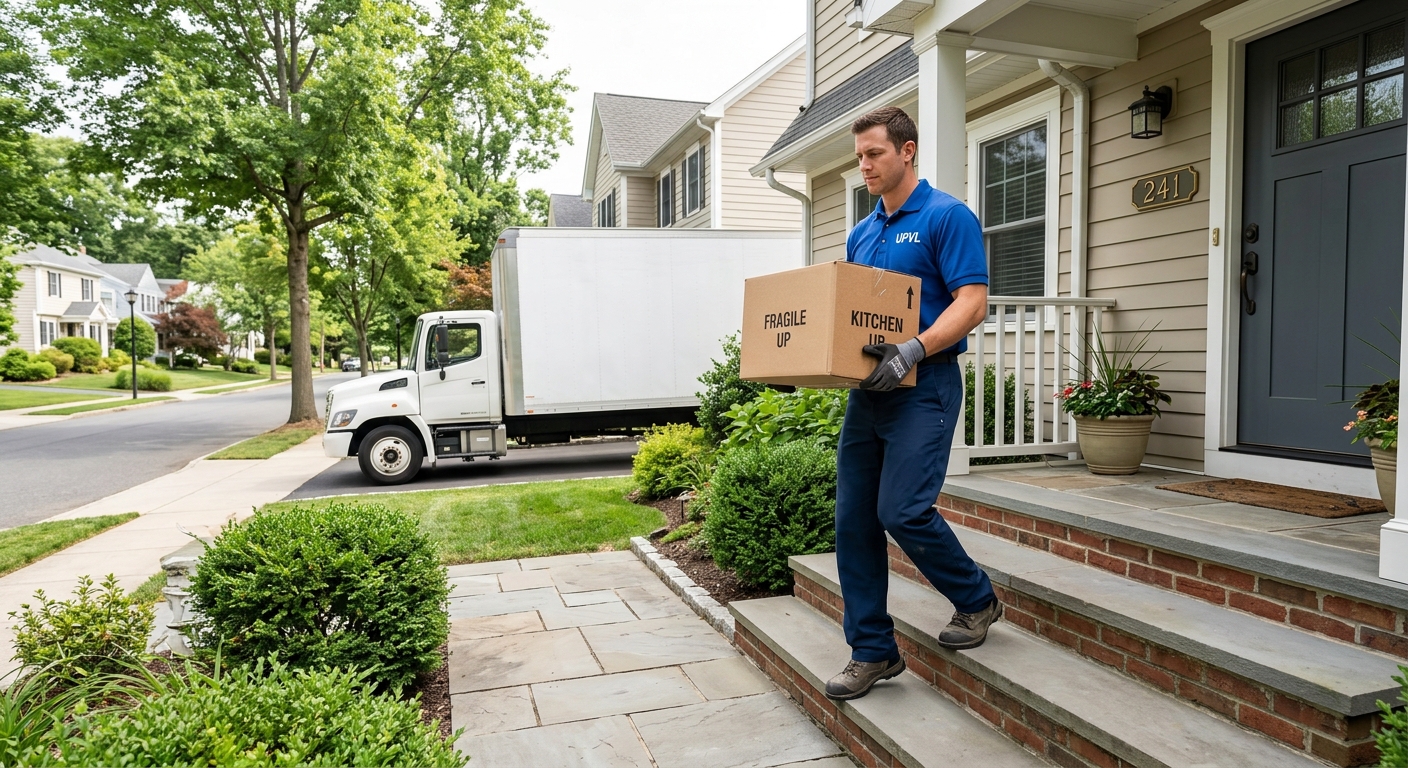
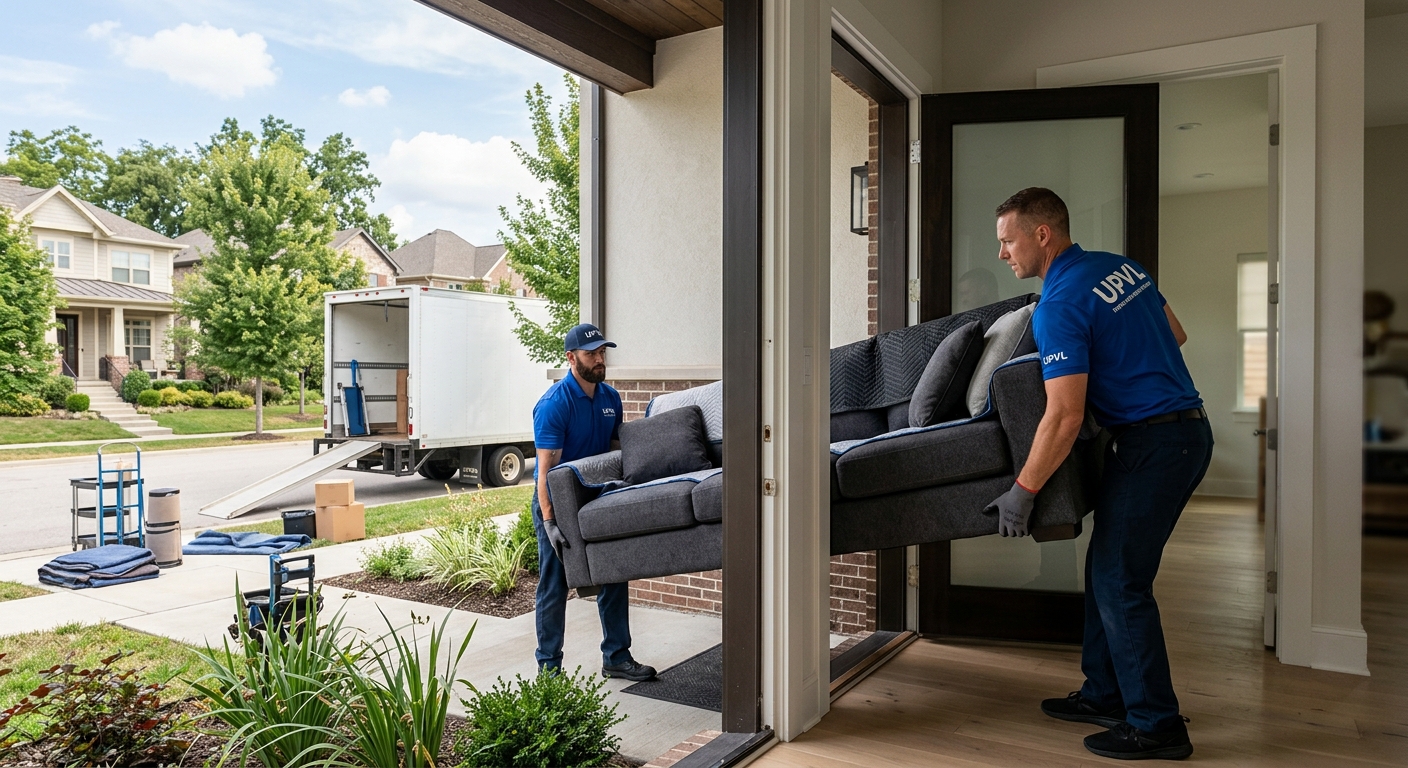
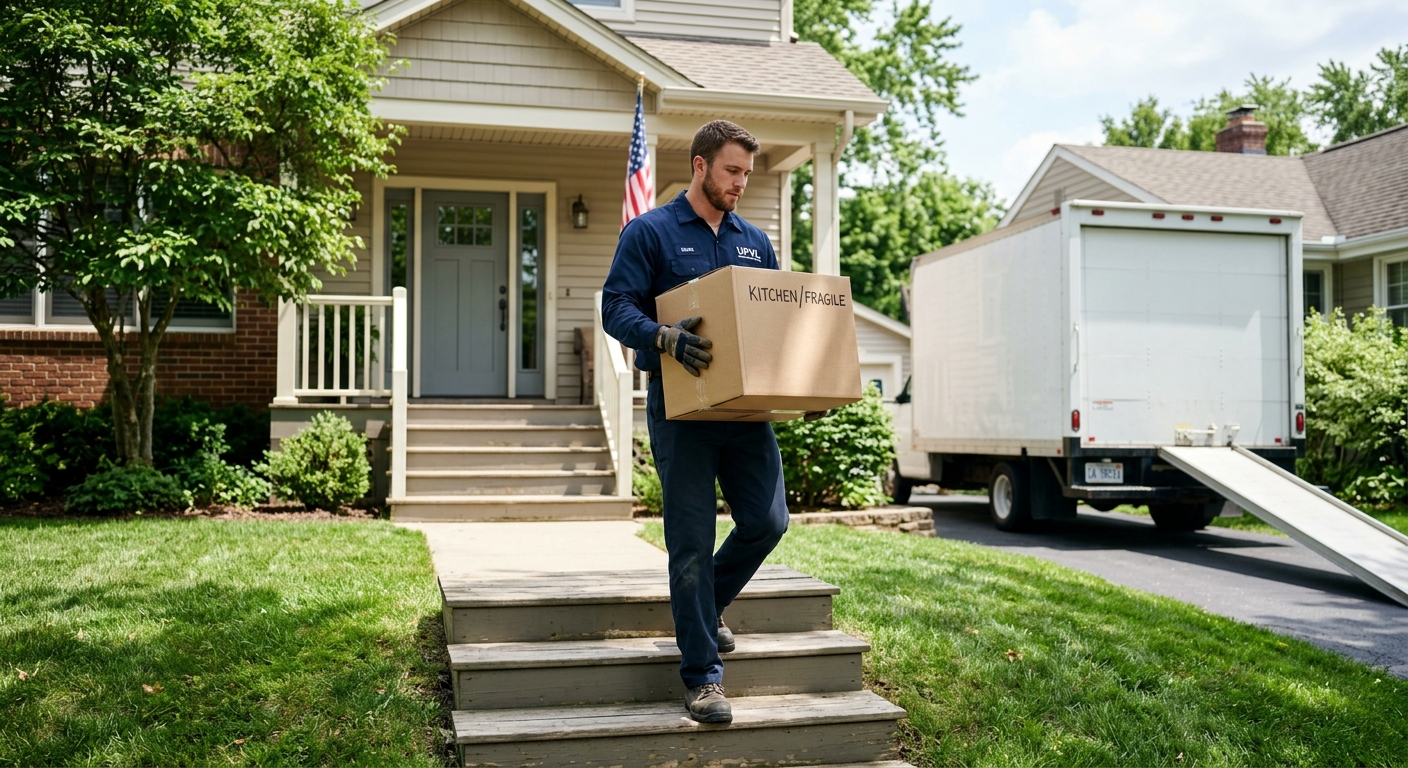
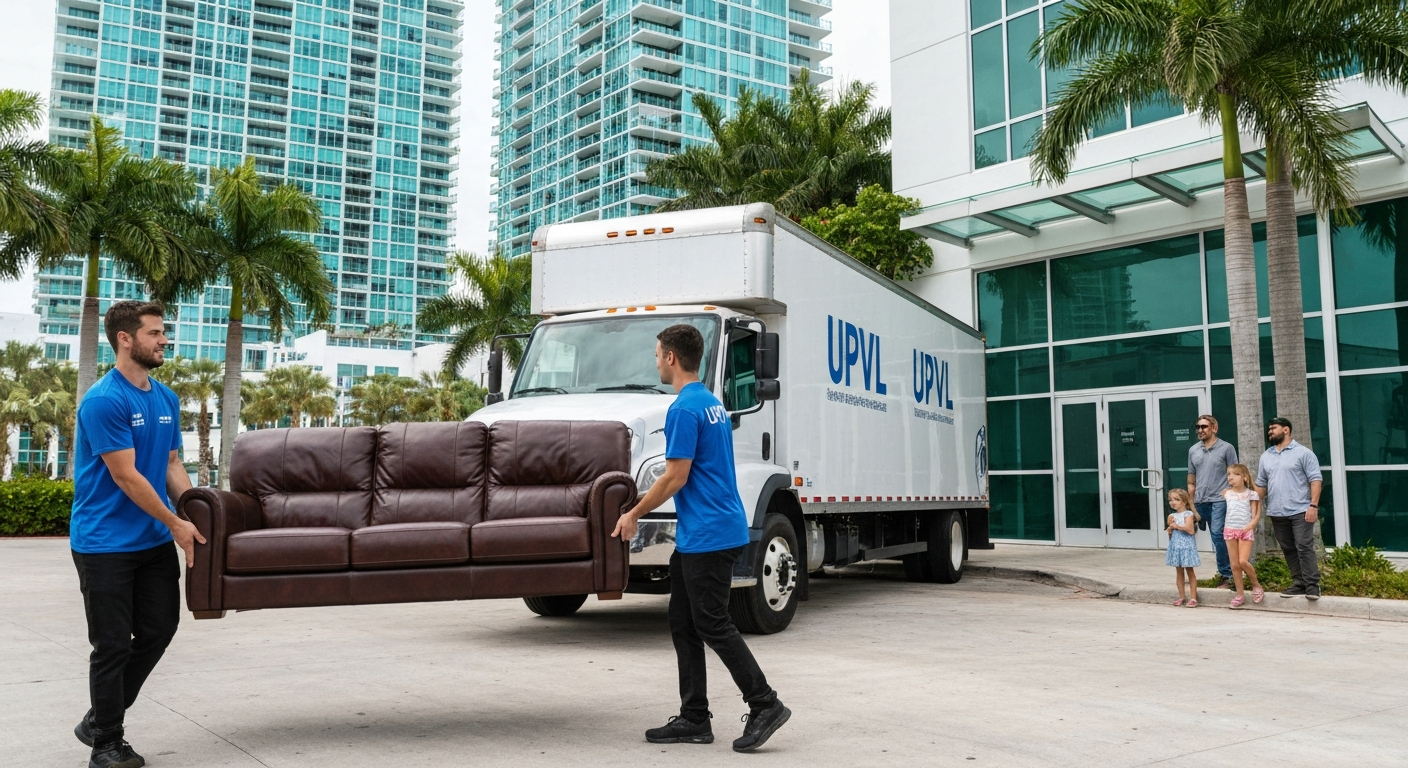
Most families find that hiring experienced local movers, such as the team at United Prime Van Lines Miami, reduces risk and stress. Even if you handle packing yourself, a professional crew can move furniture and boxes faster, so kids and pets spend less time in a disrupted environment.
Here are the main reasons Miami family moves feel different compared to moves in cooler, less dense cities:
| Miami Factor | How It Affects Kids & Pets | What Families Should Do |
|---|---|---|
| Heat & humidity | Risk of overheating, crankiness, dehydration | Schedule morning moves, use AC rooms, pack extra water & snacks |
| Sudden rain & storms | Wet boxes, slippery floors, scared pets or kids | Use plastic covers, floor protection, and a backup indoor waiting spot |
| High-rise condos | Elevator waits & strict time windows | Reserve elevators, request COI, confirm pet policies |
| Traffic & parking | Longer day, unpredictable arrival times | Allow time padding, choose off-peak start times |
Once you understand these local realities, you can tailor your moving checklist for Miami so your kids and pets feel secure from start to finish.
Choosing the right moving services and timing can make the day much easier for families. You don’t have to buy every add-on, but a few smart choices reduce stress for kids and pets.
Local moving companies in Miami typically offer a mix of basic and premium services. Here’s how those services matter when you have little ones and animals around:
| Service Type | What It Includes | Why It Helps Families |
|---|---|---|
| Standard local move | Loading, transport, unloading of your packed items | Affordable, but requires you to pack & prep around kids and pets |
| Full packing services | Movers pack boxes and protect furniture | Reduces chaos; you can focus on kids, pet care, and paperwork |
| Fragile-only packing | Packing of breakables, artwork, TVs | Protects valuables from kids’ or pets’ accidental bumps |
| Short-term storage | Secure warehouse for items during gaps between homes | Allows you to stage essentials only, keeping new home calmer |
Companies like United Prime Van Lines full packing services and their storage options can be especially helpful if you want your children to walk into a more settled space instead of a tower of boxes.
For families, the safest and least stressful times to move in Miami are early mornings and weekdays outside of rush hour. The combination of lower temperatures and lighter traffic means shorter, safer days.
Typical Miami summer afternoons regularly hit the high 80s and 90s, with a heat index that can feel above 100°F. According to NOAA, heat index above 90°F increases the risk of heat-related illness, especially for children and animals. Starting your move between 8 a.m. and 9 a.m. is ideal in most neighborhoods.
Use these rough timelines to picture your day. Adjust for home size and distance.
| Family Situation | Recommended Start | Typical Duration |
|---|---|---|
| 2-bedroom condo with toddler & cat | 8:00–8:30 a.m. | 4–7 hours, depending on building rules and elevator |
| 3-bedroom house with 2 kids & dog | 8:00 a.m. | 6–9 hours, including travel and setup of basics |
| Apartment-to-apartment across town | 9:00 a.m. | 4–6 hours, longer with heavy traffic or parking issues |
| Partial move with storage | 8:30–9:00 a.m. | 5–8 hours, including warehouse stop |
If you have very young kids or anxious pets, consider arranging a separate quiet location for them during the heaviest loading period, such as a relative’s house, daycare, or a trusted pet sitter.
Different parts of Miami bring different moving challenges for families. A ground-floor home in Westchester is not the same as a high-rise condo in Brickell or Edgewater. Understanding your specific area helps you plan where kids and pets will be at each phase of the move.
Here are some common Miami-area scenarios families face on moving day:
| Area Type | Common Challenges | Family-Friendly Tips |
|---|---|---|
| Downtown, Brickell, Edgewater high-rises | Reserved elevators, loading docks, strict time windows | Book elevator weeks ahead, have a backup sitter, keep kids away from loading zone |
| Miami Beach & barrier islands | Tight parking, narrow streets, HOA rules | Ask building for truck size limits; walk kids to a nearby park during loading |
| Suburban single-family homes (Kendall, Westchester, Doral) | Driveway access but more volume to move | Set up a kids’ “safe room,” crate pets in AC, use yard only when truck isn’t backing up |
| Older buildings in Little Havana or North Beach | Narrow staircases, limited or no elevator | Keep kids off stairways; ask movers to stage items outside kids’ play areas |
Ask your building or HOA about:
A Certificate of Insurance, or COI, is a document that shows your moving company’s insurance limits and lists your building or HOA as an additional insured party for that day. Many Miami condos, especially in Brickell, Downtown, and Midtown, will not allow movers to operate without a COI on file.
To avoid last-minute issues, request your COI at least a week before moving day and confirm the exact wording your building needs. Reputable movers will know how to handle this. If a mover hesitates or refuses to provide a COI, treat that as a serious red flag.
In dense neighborhoods, trucks may have to park partially in the street, and movers will walk back and forth carrying heavy items. This is not a safe environment for kids or curious pets to wander.
Set a simple family rule: “No one goes outside or in the hallway without an adult while the movers are working.” Designate one adult as the primary child supervisor while the other handles paperwork and questions from the crew.
Moving with pets in Miami requires a bit of extra preparation. Heat, humidity, traffic, and condo rules all affect how comfortable and safe your animals will be during the move.
Use this timeline to make the transition smoother for your pets:
| When | Pet Tasks | Miami-Specific Notes |
|---|---|---|
| 4–6 weeks before | Vet visit, vaccines, microchip check, refill meds | Ask vet about heat sensitivity and anxiety meds if needed |
| 2–3 weeks before | Introduce carriers, practice car rides | Use short drives during cooler parts of day |
| 1 week before | Pack a pet essentials bag; confirm pet rules at new building | Ask HOA about breed or size restrictions and elevator rules |
| Moving day | Set up a quiet, climate-controlled room or off-site care | Avoid balconies; prevent escapes through open doors |
Prepare a dedicated pet bag or bin so you’re not digging through boxes while your dog is panting or your cat is hiding. Include:
Miami’s heat means pets should always have access to cool water and shade. Never leave pets in a parked car, even for a few minutes. According to NOAA, the inside of a car can reach dangerous temperatures in under 10 minutes, even when outside temps feel moderate.
For dogs, the safest approach on moving day is usually one of these:
Walk your dog early in the morning before movers arrive, and again at your new home after the heavy work is done. Use a secure harness and double-check that collars and tags are up to date, since moving days are a common time for dogs to slip out of doors or gates.
Cats tend to be more stressed by change than dogs. For Miami moves, consider:
Resist the urge to let your cat explore the entire new home immediately. Give them a quiet room to decompress, then slowly open more spaces over 1–2 days.
For birds, reptiles, small mammals, or fish, moving safely in Miami’s climate can be trickier. Some general guidelines:
If you are moving long-distance to or from Miami, check any state or airline rules on exotic pets. When in doubt, consult your vet early.
Kids pick up on stress quickly, and moving day in Miami can be loud, busy, and hot. A little planning keeps them involved and reassured instead of overwhelmed.
Start talking about the move as soon as it’s confirmed. For school-age kids, show them pictures of the new neighborhood, parks, and playgrounds. For younger children, focus on reassuring them that:
Let kids ask questions. If you don’t know the answer yet (for example, what their new classroom looks like), be honest and promise to explore those details together later.
Each child should have their own small backpack or suitcase for moving day, treated like a carry-on for a flight. Pack:
Keep these bags with you in your car, not with the movers, so kids always have access to their essentials.
The safest options for young kids on moving day usually are:
In Miami, many families opt to take kids to a nearby indoor space during the hottest hours of the day—like a family member’s home, library, or air-conditioned play area—while movers work.
The first night in a new home goes smoother when kids see familiar items and feel a sense of routine. Before unpacking everything, prioritize:
Miami nights can stay warm, so ensure the AC is working in kids’ bedrooms before they go to sleep.

Smart packing makes life with kids and pets much easier before, during, and after a move. Packing for a Miami move also means protecting belongings from humidity, sudden rain, and salt air, especially near the water.
You can choose between full DIY packing, hybrid packing, or full-service packing with a moving company like United Prime Van Lines. Here’s how each option affects your family:
| Packing Option | What You Do | Best For Families Who… |
|---|---|---|
| DIY packing | Buy materials, pack everything yourself | Have time, a budget focus, and older kids who can help |
| Hybrid / partial packing | You pack non-breakables; pros pack fragile or large items | Want savings but need help with delicate or time-consuming items |
| Full-service packing | Movers pack most or all household goods | Have young kids, pets, or tight schedules; want minimal disruption |
Involve kids in age-appropriate ways to keep them engaged and reduce anxiety:
Pace your packing so important kid and pet items stay accessible until the last day. Avoid packing all toys too early; rotate a smaller selection to keep clutter down but comfort available.
Due to Miami’s humidity and frequent rain showers, consider:
Rain is common in the afternoon, especially in summer. Ask your movers if they provide floor protection, shrink wrap, and furniture blankets. Have towels on hand to dry off any wet paws or shoes before using new floors.
Use a simple color and symbol system that kids can understand:
Clear labels help movers place boxes correctly and help kids find their belongings fast, making the new home feel familiar right away.
Sometimes, move-out and move-in dates don’t line up, or you want to stage your home for sale before relocating. In those cases, short-term storage can be your best friend, especially with energetic kids and curious pets.
Common reasons Miami families use storage include:
Using a mover-operated storage solution, like those offered through United Prime Van Lines storage, can simplify logistics since the same company handles pickup, storage, and final delivery.
| Storage Type | Features | Best For Families Who… |
|---|---|---|
| Full-service warehouse storage | Movers load items, store in secure facility, then redeliver | Want minimal handling and less disruption for kids and pets |
| Self-storage unit | You drive items to a unit and manage access | Prefer frequent access and don’t mind extra trips |
| Portable storage container | Container dropped at home, then stored or moved | Need gradual loading around kids’ schedules but have driveway/space |
| Garage or friend’s home | Informal, often free or low-cost | Have limited items and high trust; okay with less security |
In Miami’s climate, make sure any storage solution offers good ventilation and, ideally, climate control if you’re storing items that could be damaged by heat and humidity, such as electronics, photos, or musical instruments.
Families often ask how much a local Miami move will cost and how kids and pets affect the price. Children and animals don’t directly change rates, but anything that increases time, complexity, or risk can increase your total bill.
Every moving company has its own pricing structure, but common cost factors include:
Here’s how family-specific dynamics may affect the total:
It can be worth it to pay a little more to have a smoother day, especially when balancing nap schedules, school routines, and pet comfort.
Every move is unique, but for rough planning, Miami families might see ballpark price ranges like these from reputable local movers:
| Home Type | Typical Scope | Approx. Local Cost Range* |
|---|---|---|
| 1–2 bedroom apartment | Standard furniture and boxes | $600–$1,100 |
| 2–3 bedroom apartment/condo | Elevator use, more boxes, maybe kids’ furniture | $900–$1,800 |
| 3–4 bedroom house | Larger volume, backyard items, multiple kids’ rooms | $1,500–$3,000 |
| Home+storage combo | Partial move into storage, partial to new home | $1,800–$3,500 |
*These are broad illustrations, not quotes. Always request a written estimate from a licensed mover for accurate pricing.
Families can often save by decluttering toys, clothes, and pet gear before the move. Fewer items mean shorter loading times and lower storage needs.
Many Miami movers price local moves either hourly or as a flat rate. Knowing which structure fits a family move can prevent surprises on the bill.
With hourly pricing, you pay for the time the crew works, plus possible materials and travel fees. This model is common for local moves within the Miami metro area.
Hourly pricing works well when:
Flat-rate pricing is usually based on an in-home or virtual survey of your belongings and access details. The mover gives one total price for the described scope. If the inventory or access doesn’t change, the price usually stays the same.
Flat rates can be attractive for families because they offer more predictability, especially when juggling kids’ schedules and pet arrangements. However, you must give accurate, detailed information during the quote process.
| Pricing Type | Pros for Families | Potential Drawbacks |
|---|---|---|
| Hourly | Flexible if you’ve prepped well; can be cheaper for simple moves | Delays due to elevators, traffic, or kids’ needs can add cost |
| Flat-rate | Predictable total; easier for budgeting with childcare and pet care | May be higher if mover builds in extra time buffers |
| Hybrid | Flat rate for main move, hourly for add-ons | Requires careful understanding of what is included |
| Minimum hours | Works for very small local moves | You pay minimum even if the move is faster |
When comparing quotes, ask movers exactly what is and is not included in the estimate. For example, clarify whether packing materials, travel time, and stair carries are included. The FMCSA Protect Your Move resources, although focused on interstate moves, offer helpful general guidance on reading estimates and contracts.
When you’re moving with kids and pets, you are trusting strangers in your home and your new space. Choosing a properly licensed and insured mover in Miami is a crucial safety step.
For local moves within Florida, movers must comply with state regulations. The Florida Department of Agriculture and Consumer Services oversees intrastate movers, and the Florida moving companies resource provides consumer information.
If your move crosses state lines to or from Miami, your mover must have a USDOT number and be registered with the Federal Motor Carrier Safety Administration (FMCSA). You can verify a mover’s status on the FMCSA registration search.
Movers talk about several types of protection. It helps to know the basics, especially when kids and pets are in the home.
For local Miami moves, always ask your mover what level of protection is included in the base price and what upgrades are available. Some families choose higher coverage for kids’ electronics, gaming systems, or high-value items.
Be cautious if you see any of these signs:
Reputable companies like United Prime Van Lines Miami are transparent about licensing, insurance, and service terms, and they welcome detailed questions from parents.
A clear moving checklist for Miami helps parents stay organized while also caring for kids and pets. Use this as a framework and adjust for your specific family and home.
| Timeline | Family Tasks | Kids & Pets Focus |
|---|---|---|
| 4–6 weeks before | Book movers, request COI, notify schools and daycare | Tell kids about move; schedule vet check |
| 2–3 weeks before | Start non-essential packing, arrange storage if needed | Introduce carriers; let kids pack a few boxes |
| 1 week before | Confirm elevator times, parking, and weather plans | Pack kids’ and pet essentials bags |
| Moving day | Be on-site early, supervise movers, do walkthrough | Place kids/pets in safe place; set up first-night items |

Prepare them early, keep routines as normal as possible, and give them small jobs so they feel involved. Create a quiet corner or room with books, toys, and a tablet where they can retreat from the noise. If you can, have a trusted adult whose primary role is to be with the kids so you can focus on coordination with the movers.
The best option is a safe, climate-controlled place away from the action: a friend’s house, a pet sitter, or daycare. If that’s not possible, set up a closed room with food, water, and bedding, and place a clear sign on the door. Avoid leaving pets on balconies or unsupervised in yards while trucks are backing in or out.
A solid moving checklist for Miami families includes booking licensed movers, securing a COI and elevator reservations, scheduling vet visits and school notifications, packing kids’ and pet essentials bags, and planning for the heat with extra water and snacks. Break it into weekly tasks leading up to moving day so you’re not rushed at the end.
For family moves in peak season (late spring through early fall), aim to book movers 4–6 weeks in advance. Weekends and the beginning or end of the month fill quickly. Off-peak times may allow more flexibility, but you should still reserve at least 2–3 weeks ahead, especially if your building requires COIs and elevator reservations.
Visit your new neighborhood with the kids if possible, showing them nearby parks and fun spots. Time your move for cooler morning hours, and prioritize setting up kids’ rooms first so they feel grounded. Keep school and extracurricular transitions in mind; if you can, align your move with semester breaks or holidays to reduce disruption.
Update vet records, have pets microchipped, and plan for the heat by keeping them indoors in air conditioning as much as possible. Use secure carriers for cats and small dogs, and leashes and harnesses for larger dogs. Never put pets in the moving truck; transport them with you in your car, and bring a pet essentials bag with water, food, and comfort items.
Start early and pack gradually so the house doesn’t feel like it changes overnight. Keep kids’ favorite items accessible until the last few days. Let them help pack some of their own things and decorate box labels. Maintain regular mealtimes and bedtimes as much as possible during the packing phase to give them stability.
Include at least two days of food, treats, bowls, bottled water, leash or harness, medications, poop bags or litter supplies, vet records, and a favorite toy or blanket. Pack everything in an easily accessible tote and keep it in your car. Since Miami is hot, having ready access to water and a bowl is especially important if you hit traffic.
Yes, but you need more flexibility. Hurricane season runs June through November, with the highest activity typically in August and September. Monitor forecasts from the National Hurricane Center in the week before your move. Work with your mover on contingency plans, especially if a tropical storm or hurricane watch is issued.
Many Miami condos and high-rises require a Certificate of Insurance from your mover. Check with your building’s management 2–4 weeks before your move to confirm requirements and exact wording. Provide your mover with this information so they can send the COI in time. Without it, some buildings may refuse to let movers operate on the property.
For Florida moves, the contact information is:
Full-service packing is often worth it for families with young kids or multiple pets because it shortens the most chaotic part of the process. Professionals can pack an entire home in a day or two, while you focus on supervising children and pets and handling logistics. A hybrid approach, where movers pack fragile or bulky items and you handle the rest, can balance cost and convenience.
Contact the new school district or private school 4–6 weeks before the move to learn about enrollment requirements, records, and placement tests. Once you arrive, visit the school together if possible, so your child can see the building and playground. Having their new backpack, lunchbox, and school supplies ready ahead of time can help build excitement and reduce anxiety.
Moving with kids and pets in Miami doesn’t have to feel chaotic. When you plan around the city’s weather, traffic, and building rules, and follow a clear moving checklist tailored to Miami, your family can transition smoothly into a new home. Focus on essentials—safety, hydration, comfort items, and predictable routines—and lean on experienced local movers when you need extra help. A bit of preparation today means your first weekend in your new Miami home can be about exploring parks and beaches, not recovering from a stressful move.