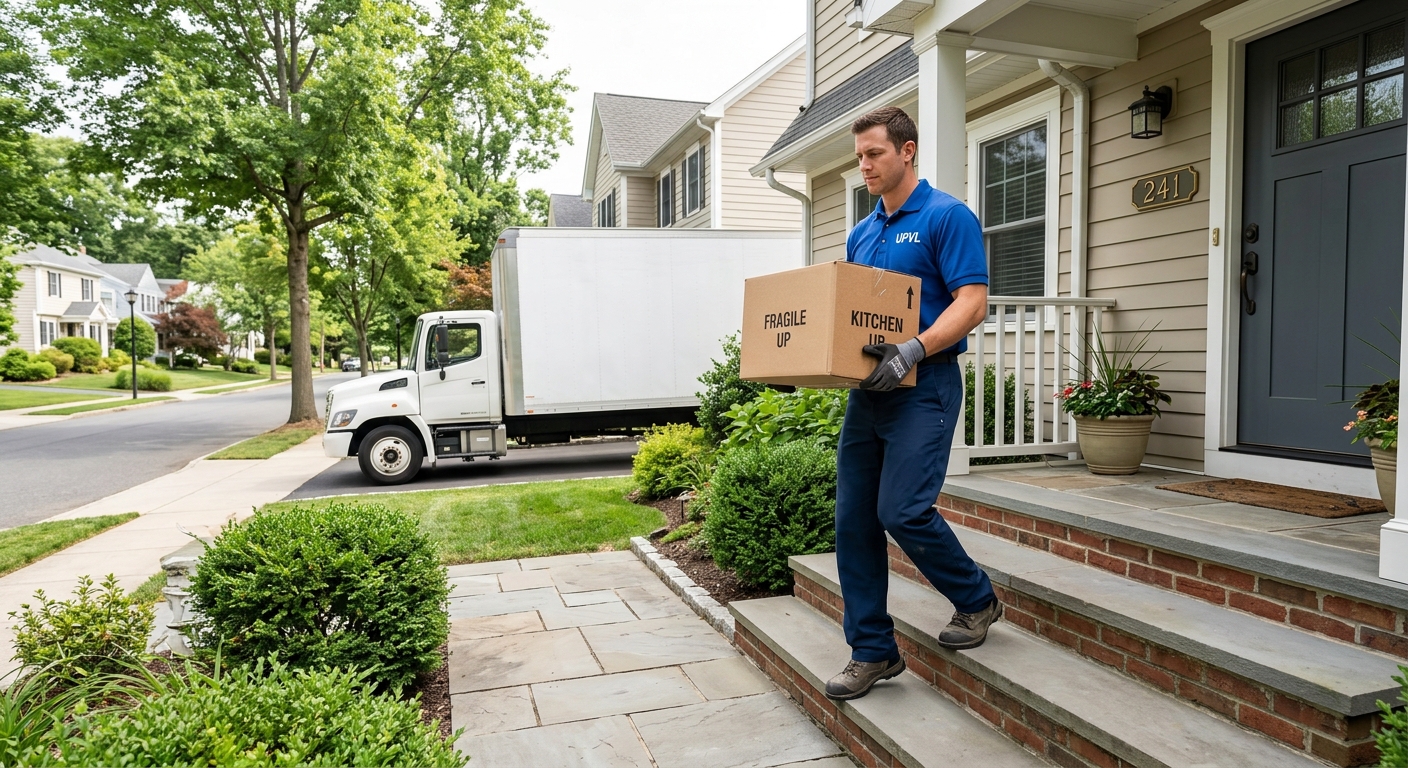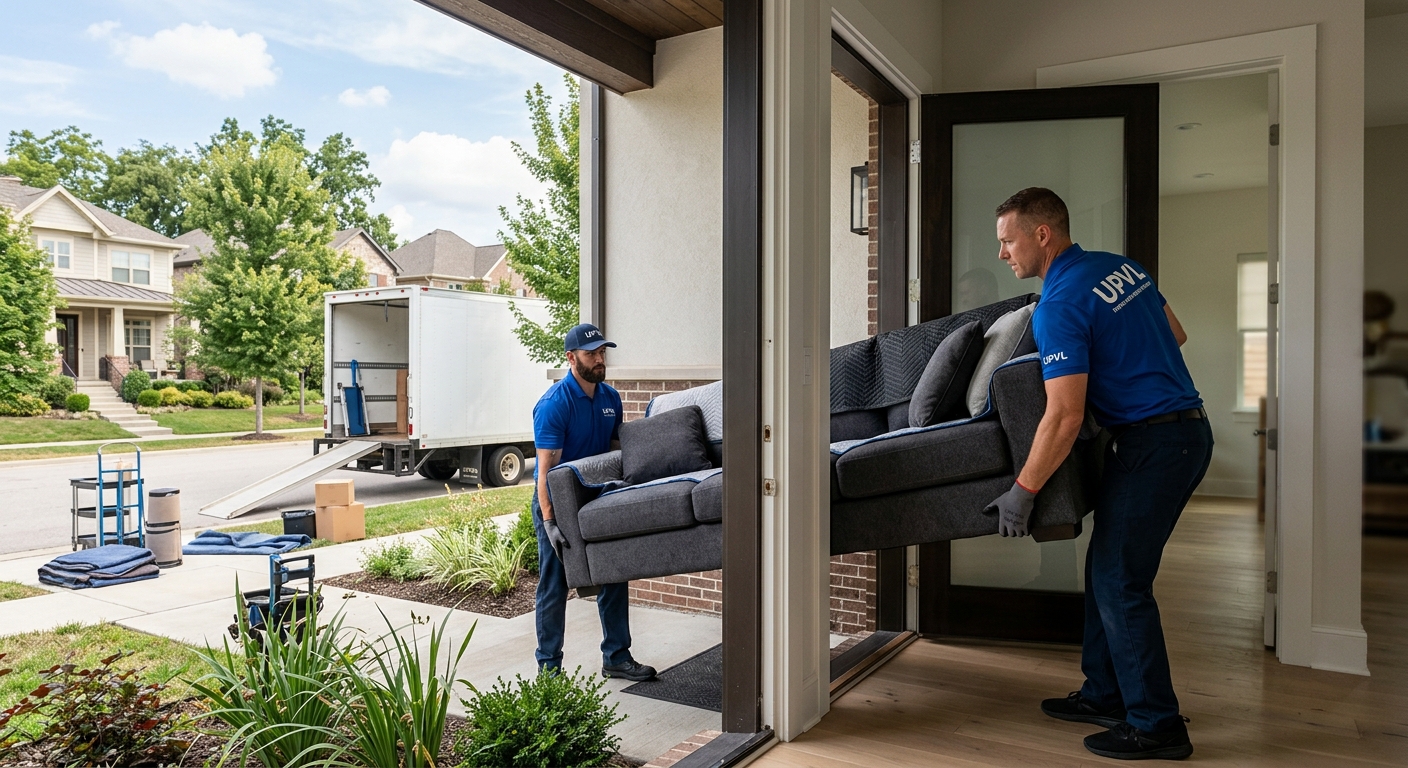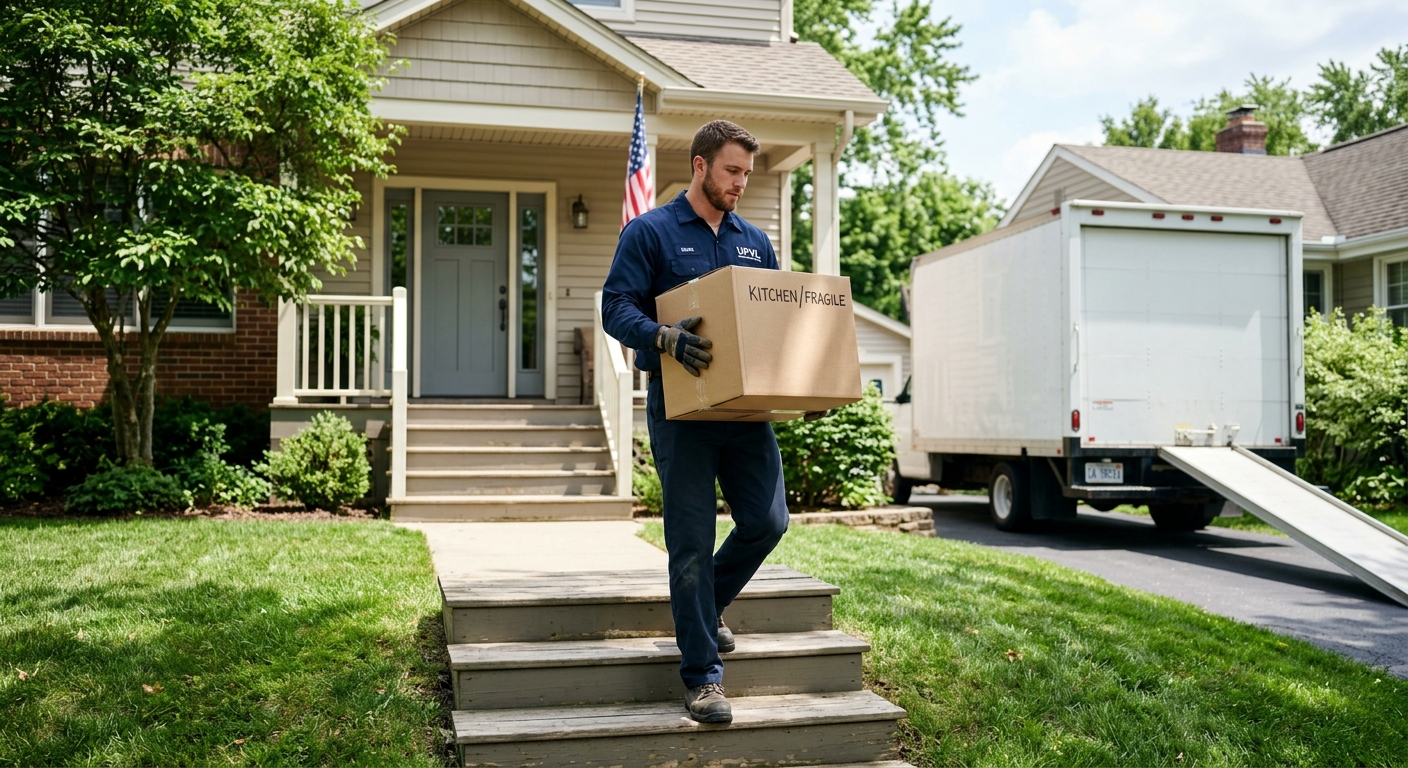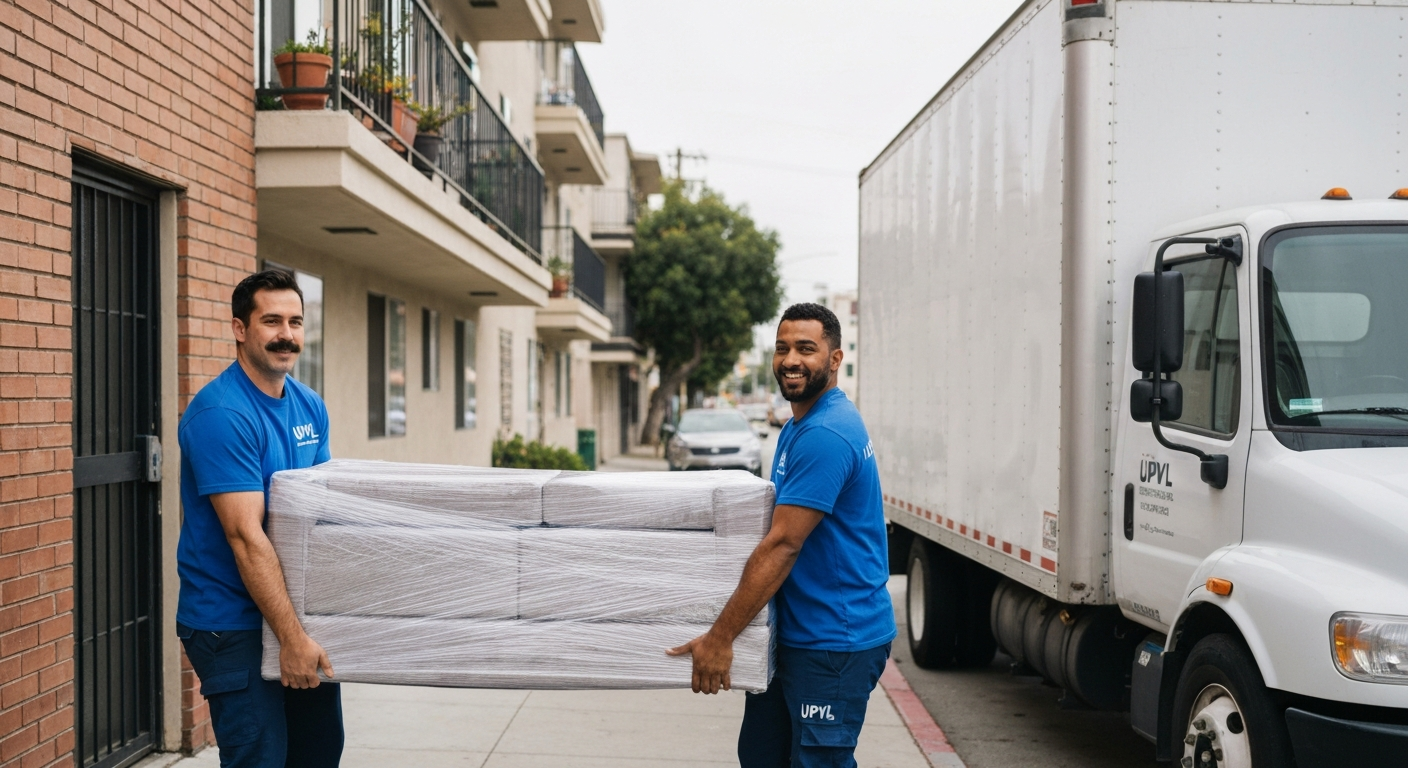
Moving from Los Angeles to another state can feel overwhelming: traffic, permits, long driving distances, and a million details to juggle. With the right plan and experienced out of state movers Los Angeles residents trust, your cross-country move can be organized, predictable, and far less stressful.
Quick Navigation
Preparing for a cross country move from LA is not the same as moving within Southern California. Distances are longer, delivery windows are wider, and regulations change as soon as the truck crosses state lines.
Interstate moves from Los Angeles involve multiple layers of planning:
Because of these complexities, using properly licensed state to state movers Los Angeles residents can rely on is more important than for a simple local move. Interstate movers must follow federal rules from the Federal Motor Carrier Safety Administration (FMCSA), including written estimates, tariff rules, and a bill of lading. Source: FMCSA.
Trusted long-distance specialists like United Prime Van Lines long-distance moving build your schedule, route, and estimate around real-world conditions, not wishful thinking. That is the difference between a smooth cross-country relocation and a chaotic one.
When you shop for out of state movers Los Angeles customers have two main decisions to make: what level of service you need, and which route your shipment will take.
Most reputable state to state movers in Los Angeles offer a mix of service tiers. These can be combined to match your budget and timeline.
| Service Type | What It Includes | Best For |
|---|---|---|
| Standard Full-Service | Loading, transport, unloading; you pack boxes | Most families with time to pack themselves |
| Full Packing Service | Movers pack all boxes, protect furniture, load and deliver | Busy professionals or long-distance relocations with tight schedules |
| Partial Packing | Movers pack fragile items only; you pack the rest | Cost-conscious customers with lots of breakables |
| Labor-Only at Origin | Movers load your rental truck or container, you drive | DIY drivers who still want professional loading |
| Interstate With Storage | Pickup in LA, storage in a secure warehouse, then delivery | Delayed closings, new builds, or temporary housing situations |
Companies such as United Prime Van Lines full packing services and secure storage options can wrap these elements into one coordinated plan.
Your route affects cost, transit time, and even the season you should move. Here are some of the most common patterns when moving from Los Angeles to another state:
FMCSA notes that long-distance delivery windows depend on distance, routing, and whether your shipment shares space with other customers. Source: FMCSA moving checklist.
Most cross-country moves run as either a dedicated shipment (your items alone on the truck) or a consolidated trip with other customers.
| Shipment Type | Main Advantages | Potential Tradeoffs |
|---|---|---|
| Dedicated / Exclusive Use | Faster transit, more predictable timing, direct route | Usually higher cost because you pay for the whole truck |
| Consolidated / Shared Load | Lower cost per pound or cubic foot | Longer delivery window while truck fills or routes among stops |
| Small Load / Mini Move | Cost-effective for studios or partial shipments | Often the broadest delivery window |
| Express or Guaranteed Window | Priority transit timing, tighter window guarantees | Premium pricing |
When interviewing state to state movers Los Angeles customers should ask directly: “Is my load dedicated, or will it ride with others?” and “What is my delivery window for this option?”
The earlier you begin preparing for a cross country move from LA, the more options you’ll have for pricing, dates, and services. A typical timeline runs 8–12 weeks, but even if you have less time, you can still organize tasks in stages.
Los Angeles has some of the most challenging access conditions in the country. Narrow streets, hills, HOA rules, and parking restrictions all affect your move-out plan.
Access at your origin is one of the biggest cost and time factors for cross-country moves. Out of state movers Los Angeles based will ask detailed questions about your address because it determines truck size, parking, and labor time.
| LA Area Type | Common Challenges | Planning Tips |
|---|---|---|
| Downtown LA high-rises | Freight elevator reservations, loading dock rules, strict time windows | Request COI early; book elevator slots; confirm move hours with building |
| Hollywood / Koreatown apartments | Limited street parking, tight alleys, busy weekends | Ask about shuttle truck fees; plan earlier start times to beat traffic |
| Hills (Silver Lake, Echo Park, Hollywood Hills) | Steep grades, narrow roads, limited turn radius for big trucks | Plan for possible shuttle from a larger truck to a smaller one |
| Westside (Santa Monica, Venice, West LA) | Permit parking zones, tight underground garages | Work with movers to secure parking permits where allowed |
| SF Valley (Chatsworth, Encino, Sherman Oaks) | Driveway access, heat exposure in summer | Reserve driveway space; consider morning starts to avoid peak heat |
United Prime Van Lines operates in areas like Los Angeles and Chatsworth, so they’re familiar with local access rules and can advise whether a shuttle truck or extra labor time is likely.
Many LA apartment and condo buildings require a Certificate of Insurance (COI) from your mover before they allow any work on the property. A COI proves that the mover carries liability and workers’ compensation coverage and lists the building as a certificate holder.
To avoid last-minute panic:
Anyone who lives in LA knows that traffic is a daily factor. Freeways like the 405, 101, 110, and 5 can be gridlocked during commute times. The City of Los Angeles recommends planning travel outside peak hours when possible. Source: LADOT.
For a smoother moving day:
Packing is one of the most critical parts of preparing for a cross country move from LA. Interstate travel exposes your belongings to more handling, longer road vibration, and varying temperatures. Good packing is your best protection.
You can pack everything yourself, have movers pack everything, or split the work. Here’s how the options compare:
| Packing Option | Pros | Cons |
|---|---|---|
| Self-Packing (DIY) | Lowest cost; full control over sorting; pack at your own pace | Time-consuming; higher risk of improper packing; mover liability may be limited for owner-packed boxes |
| Partial Packing | Movers pack fragile/high-value items; you pack the rest | Costs more than full DIY; still requires your time and effort |
| Full Packing Service | Fast and professional; better protection; inventory done for you | Highest upfront cost; requires clear labeling and direction from you |
| Unpacking Service | Movers unpack and remove debris at destination | Requires more coordination and presence at delivery |
Professional full packing from a company like United Prime Van Lines is especially helpful for cross-country moves with tight timelines or for families leaving LA on short notice.
Interstate movers typically include basic furniture protection in their service:
For delicate surfaces—high-gloss furniture, piano finishes, marble tops—your estimator may recommend additional crating or special materials.
Labeling matters more on cross-country moves than on local ones. When a shipment travels hundreds or thousands of miles and goes through more handling, clear labels prevent confusion and damage.
Most interstate movers, including United Prime Van Lines, cannot move hazardous or perishable items. FMCSA highlights common non-allowables such as propane tanks, gasoline, pesticides, explosives, and certain chemicals. Source: FMCSA non-allowables.
Plan to dispose of or transport these items yourself before leaving LA.

Many LA residents need storage as part of their interstate move—especially if they’re waiting on a home purchase, new job start date, or lease.
Storage-in-transit (SIT) is short-term storage arranged by your interstate mover, typically for up to 90 days, though it can sometimes be extended.
SIT works well when:
Companies like United Prime Van Lines storage offer climate-controlled or standard warehouse options depending on your needs.
| Storage Type | Advantages | Considerations |
|---|---|---|
| Mover’s Warehouse (SIT) | Seamless with your move; one company responsible; inventory tracked | Access may require an appointment; monthly fees plus handling charges |
| Self-Storage (You Arrange) | Access during business hours; you can add/remove items | Requires extra loading/unloading; more work for you |
| Portable Storage Container | Container delivered to you; can move and store in same unit | Street parking challenges in LA; HOA or city approvals may be needed |
| Hybrid (Warehouse then Self-Storage) | Flexibility if timelines change | More complex logistics, potential duplicate costs |
When moving from Los Angeles to another state, warehouse storage with your mover is often the simplest path. Your goods are professionally wrapped, vaulted, and tracked with an inventory connected to your interstate paperwork.
Interstate moving costs are based mainly on distance, weight or volume, and services provided. Because Los Angeles is far from many U.S. destinations, mileage is a major component of your quote.
Expect your estimate to be influenced by these factors:
Every move is unique, but here are ballpark ranges often seen for full-service interstate moves from Los Angeles (assuming professional movers, no extreme access issues, and basic valuation):
| Move Type | Approx. Home Size | Typical Range* |
|---|---|---|
| LA to Phoenix / Las Vegas | 1–2 bedroom apartment | $2,000 – $4,500 |
| LA to Denver / Dallas / Austin | 2–3 bedroom home | $4,000 – $8,000 |
| LA to Chicago / Minneapolis | 3–4 bedroom home | $5,500 – $10,000 |
| LA to New York / Boston / Miami | 2–3 bedroom apartment or home | $5,000 – $11,000+ |
*These are general ranges meant for education only, not guaranteed prices. For a real quote, you’ll need an in-home or virtual survey from a licensed mover.
Understanding how interstate estimates work is crucial when hiring out of state movers Los Angeles residents can trust. FMCSA explains three main estimate types: non-binding, binding, and binding not-to-exceed. Source: FMCSA binding estimates.
Local moves in Los Angeles often use hourly pricing, but interstate moves usually use weight-based or volume-based pricing, not hourly. However, hourly charges may still apply for:
| Pricing Type | Where It’s Used | Pros / Cons |
|---|---|---|
| Hourly Rate | Local LA moves, some additional labor on interstate jobs | Easy to understand, but can run longer if access is difficult |
| Weight-Based (lbs) | Most full-service interstate moves | Standardized and regulated, but relies on accurate inventory and weighing |
| Volume-Based (cubic feet) | Some long-distance carriers and brokers | Intuitive for customers, but must be documented clearly to avoid disputes |
| Flat / Guaranteed Price | Binding or not-to-exceed estimates | Predictable; may cost slightly more but reduces surprise charges |
Unlike local moves, interstate deliveries rarely happen on a specific guaranteed day and hour (unless you pay extra). Instead, state to state movers Los Angeles based will provide a delivery window.
A delivery window is a range of days—usually business days—during which the mover expects to deliver your shipment. Factors include:
| Route From LA | Approx. Distance | Common Delivery Window* |
|---|---|---|
| To Arizona / Nevada | 300–600 miles | 2–7 business days |
| To Colorado / Texas | 800–1,500 miles | 4–10 business days |
| To Midwest (IL, MN, MO) | 1,500–2,000 miles | 5–12 business days |
| To East Coast (NY, FL, MA) | 2,400–3,000 miles | 7–14 business days |
*These are examples; your written estimate and order for service will specify your actual window.
When you book with a provider like United Prime Van Lines long-distance moving, you’ll receive clear expectations on transit times and updates while your shipment is on the road.
For any interstate move—especially relocating from LA to another state—you should only hire properly licensed movers and understand how your belongings are protected.
Interstate movers must have a U.S. Department of Transportation (USDOT) number and operating authority from FMCSA. The agency provides a public database where you can check a company’s status. Source: FMCSA Registration.
FMCSA explains that what movers offer is “valuation coverage,” not traditional insurance, though some movers may also partner with third-party insurers. Source: FMCSA valuation and insurance.
Two primary valuation options for interstate moves:
| Coverage Type | Cost | What You Get |
|---|---|---|
| Released Value | Included (no extra charge) | Up to $0.60 per pound per item, very limited compensation |
| Full Value Protection | Additional fee based on shipment value | Repair, replacement, or cash settlement for actual value (up to declared amount) |
| Third-Party Insurance | Separate policy through insurer | May cover exclusions or higher value items, depends on policy terms |
| Special High-Value Inventory | Typically tied to FVP | Specific items over a certain value are listed and specially protected |
A clear checklist keeps your cross-country move on track. Use this as a starting point and customize it for your household.
| Timeframe | Task | Notes |
|---|---|---|
| 8–10 weeks before | Research 3–4 licensed interstate movers; request estimates | Verify USDOT numbers and reviews |
| 6–8 weeks before | Choose your mover; confirm dates; sign paperwork | Ask for binding or not-to-exceed estimate if available |
| 4–6 weeks before | Start packing non-essentials; declutter and donate | Separate items to sell, donate, or trash |
| 3–4 weeks before | Arrange COI, elevator reservations, parking plans in LA | Coordinate with building manager or HOA |
| 2 weeks before | Change address, update utilities, confirm delivery contact info | Set up utilities at new home for arrival |
| 1 week before | Finalize packing; prepare essentials box and no-pack zone | Keep documents and valuables with you |
| Moving day | Walkthrough with movers; sign bill of lading | Review inventory and special instructions |
| Delivery day | Check inventory; note any damage; start basic setup | File claims promptly if needed |
Organizing these tasks early allows you to focus on your new life once you arrive in your next state, instead of playing catch-up with logistics.

The most accurate quote comes from a detailed in-home or virtual survey where the mover sees everything you plan to ship. Provide a complete inventory, show closets, garage, and storage spaces, and discuss access at both locations. Ask for the estimate type (binding, non-binding, or not-to-exceed) in writing and review all line items, including packing, shuttles, and storage.
Expect questions about your current and destination addresses, home type (apartment, condo, single-family), number of rooms, large or special items (pianos, safes, artwork), desired move date range, packing needs, and any building or HOA rules. They’ll also ask about stairs, elevators, and parking details to anticipate labor time and equipment.
Yes. Most state to state movers Los Angeles based can give you a quote using the general destination area (for example, Dallas metro or Seattle metro). Once you have a firm address, they can adjust the estimate if access details or distance change significantly. Just be clear about any uncertainties up front.
You can self-pack everything, ask the movers to pack only fragile and high-value items, or choose full packing service where movers pack your whole home. Many customers mix options: they pack clothes, linens, and simple items, while movers pack dishes, glasses, TVs, artwork, and mirrors.
Most full-service interstate movers can provide all packing materials: boxes, tape, paper, bubble wrap, mattress bags, and specialty cartons for TVs and wardrobes. Material costs may be included in a full packing package or charged per item for partial packing. If you self-pack, you can still purchase boxes from your mover or use your own.
Avoid packing hazardous materials like flammable liquids, solvents, and propane; perishable or refrigerated foods; live plants (especially on long routes); and irreplaceable personal documents or jewelry that should travel with you. Your mover will give you a specific non-allowables list based on FMCSA guidelines.
Yes. Most interstate movers offer short-term storage-in-transit (SIT) for up to 30–90 days, plus long-term storage if needed. Your belongings are typically kept in a secure, inventoried warehouse and delivered once you’re ready in your new state. You can also arrange your own self-storage, but that often means more handling and coordination.
Ideally, let your mover know about storage needs at booking, but reputable companies can often accommodate changes as your plans evolve. Adding storage changes your pricing structure, so request an updated estimate reflecting monthly storage fees and redelivery charges before finalizing.
Delivery time depends on distance, shipment size, and route. Regional moves (to Arizona or Nevada) might take 2–7 business days, while cross-country moves to the East Coast often run 7–14 business days. Your order for service will list an expected delivery window; your mover should update you if that window shifts due to weather or other factors.
Some movers offer guaranteed or premium delivery options for an extra fee, often by using dedicated trucks or prioritized routing. Standard consolidated shipments usually rely on delivery windows instead. If timing is critical—for a job start date or lease—ask specifically about guaranteed options at the quote stage.
Talk to your mover well in advance about timing so they can plan around your arrival. If your shipment is ready to deliver but you’re not there yet, it may need to go into short-term storage, which can add costs. Provide alternative contact information (trusted friend, building manager) only if they’re authorized and able to supervise delivery according to your instructions.
Use proper packing techniques, choose Full Value Protection if it makes financial sense for your belongings, and identify any especially high-value or fragile items during the estimate. Label boxes clearly, avoid overloading cartons, and consider specialty crating for items like large TVs, glass tabletops, and artwork.
At delivery, note any visible damage on the inventory or delivery paperwork before signing. Take photos and keep damaged items until the claim is resolved. Then follow your mover’s claim process, which should be explained in your valuation and contract documents. Timely, detailed claims generally see better outcomes.
For peak season (May through September), aim to book 6–8 weeks before your move date. Off-season moves may be possible with 3–4 weeks’ notice or less, especially if you’re flexible on dates. Last-minute interstate moves can sometimes be arranged, but your options and pricing may be more limited.
Often, yes. Demand tends to be lower in winter, and you may find more available dates and promotions. However, winter moves from LA to colder states may face weather-related delays. Balance cost savings with the potential of snow or ice along your route.
Yes. United Prime Van Lines offers local services in Los Angeles and full long-distance moving solutions, including packing, loading, interstate transport, storage, and delivery at your new home in another state. Coordinating everything with one company simplifies communication and helps maintain consistent service quality.
For California moves, the contact information is:
Moving from Los Angeles to another state is a big step, but with careful planning, clear timelines, and a licensed mover, it doesn’t have to be chaotic. Focus on three pillars: choosing reputable state to state movers Los Angeles based, understanding your estimate and delivery window, and packing and labeling with long-distance travel in mind.
Whether you’re heading to a nearby state or across the country, using a coordinated long-distance specialist like United Prime Van Lines can turn a complex relocation into a structured, manageable project—so you can start your new chapter with confidence.