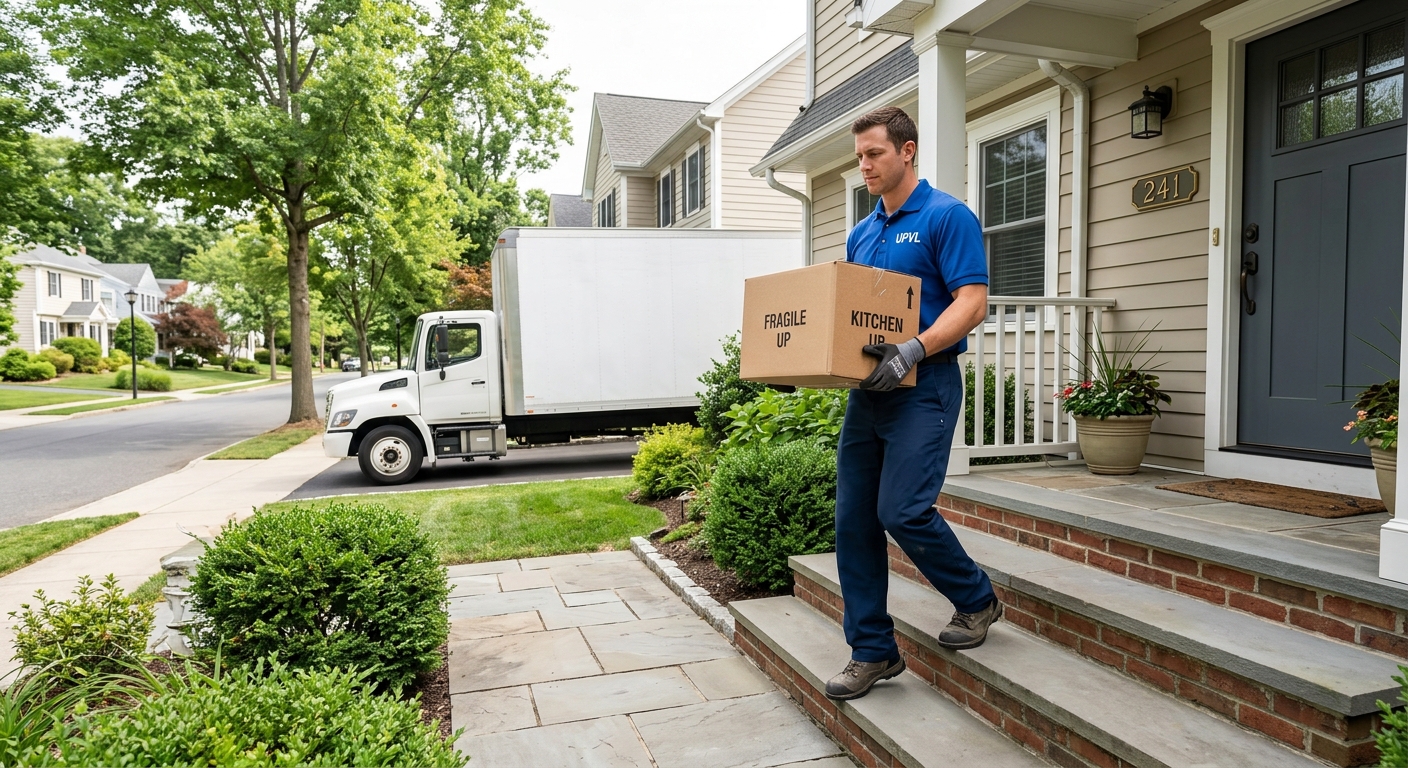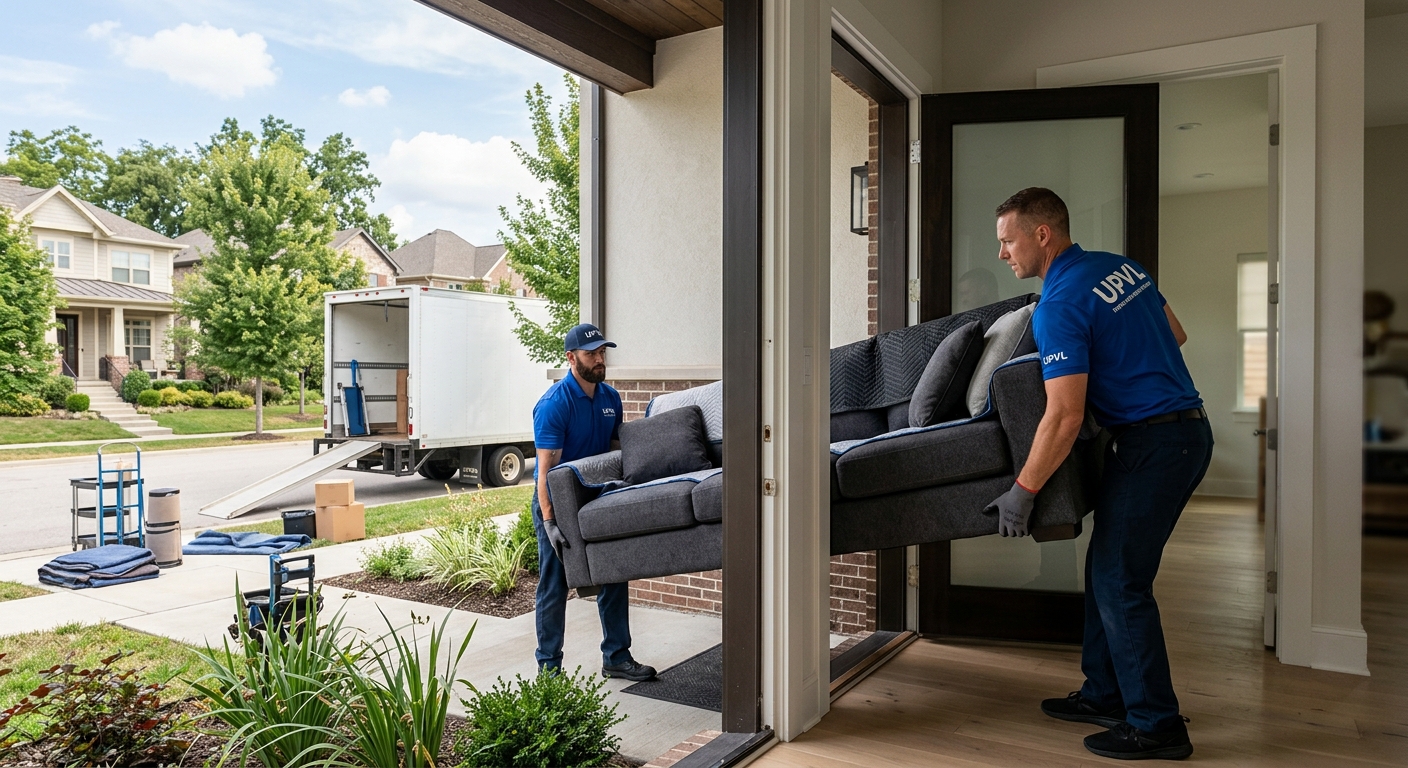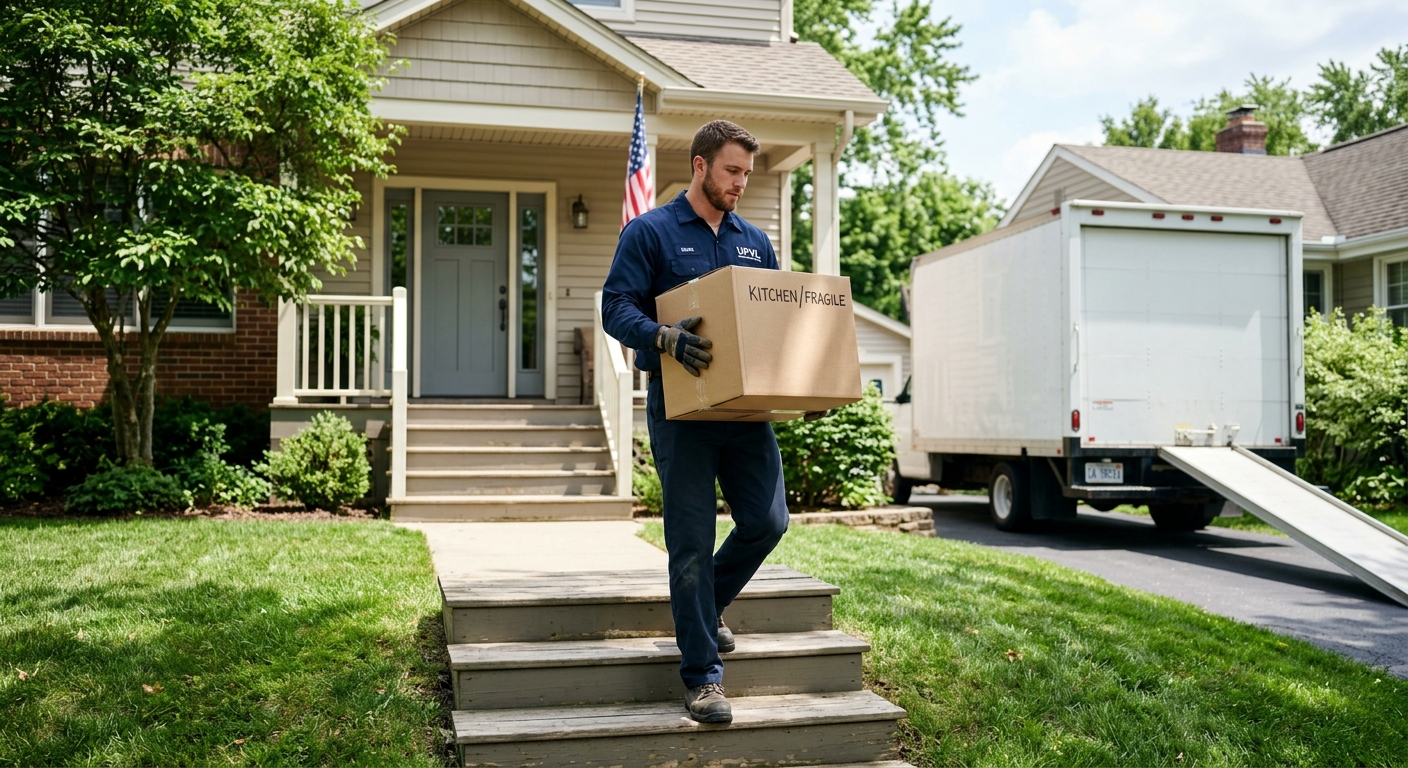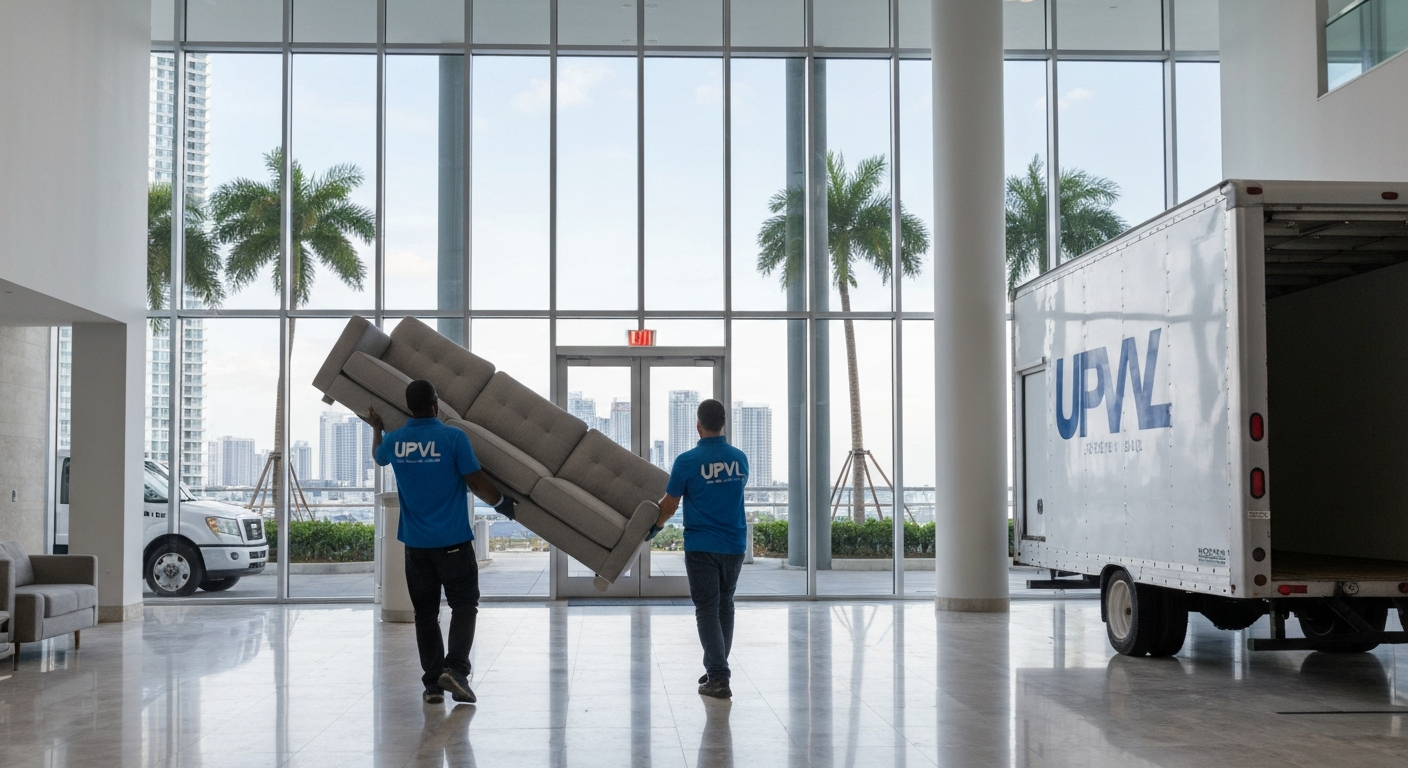
Military life moves fast, and Miami adds its own heat, humidity, and high-rise challenges to the mix. Whether you’re heading to or from South Florida on PCS orders, you need military moving Miami support that’s clear, organized, and tailored to base schedules, housing rules, and long-distance routes.
Quick Navigation
Military moves in Miami are different from standard residential moves. You’re not just relocating across town—you’re balancing PCS orders, reporting dates, potential TDYs, and strict deadlines for when your household goods (HHG) must arrive. On top of that, Miami brings heavy rain, hurricane season, condo rules, and tight urban parking.
For many service members and their families, the process is a mix of government-arranged transportation and personally arranged services. Even when the Department of Defense manages most of your move through the Defense Personal Property Program (DPS), you may still need local help in Miami: short-term storage, extra packing support, or a trusted team to handle a partial do-it-yourself (PPM / DITY) shipment.
The goal is to reduce stress, avoid delays, and protect your entitlements by aligning your movers’ schedule with your orders, command expectations, and family life. Choosing experienced long distance movers Miami families trust can make the difference between a chaotic PCS and a predictable, well-planned relocation.
A Permanent Change of Station (PCS) is an official relocation of an active-duty service member and their dependents. When you’re stationed in or near Miami—often commuting to nearby installations or federal facilities—your orders will define your authorized move dates, origin, destination, and entitlements for household goods, travel, and possibly temporary lodging.
Most PCS moves are coordinated through the government’s DPS system and your local Personal Property Office or Transportation Office. The government typically selects a Transportation Service Provider (TSP) for you, which may be a carrier or a broker managing the move. You can also choose a Personally Procured Move (PPM), where you arrange your own mover and seek reimbursement based on the government’s cost estimate.
Many families search for “DoD approved movers Miami” hoping to find a company officially endorsed by the Department of Defense. In practice, the DoD does not generally advertise a public list of approved local movers for personally arranged work. Instead, companies that handle DoD traffic typically do so through contracts and registrations within government systems.
When a company mentions DoD-related experience, it usually means they are familiar with PCS timelines, weight tickets, documentation, and the expectations of military customers—not that they are officially endorsed for every type of move you might book directly. When you’re hiring a mover on your own in Miami, the key is to focus on:
If you’re unsure, ask the mover specific questions about their experience supporting PPMs, weight tickets, and the documentation you’ll need to submit for reimbursement.
While Miami does not host a large conventional on-base housing complex like some cities, it is closely connected to multiple military and federal operations across South Florida. Many service members live in Miami neighborhoods while reporting to a nearby installation, joint command, or federal agency facility. That means movers often coordinate with civilian apartment complexes, HOAs, and condo boards rather than on-base housing offices.
This mixed environment puts extra pressure on planning: building rules can be strict, and move-in / move-out windows may be narrow. Your movers should be ready to work with your building management to schedule elevator reservations, provide insurance documents, and manage loading zones so you don’t face unexpected fees or delays.
Military families in South Florida rarely have identical needs. Some are moving a small apartment between Miami neighborhoods; others are relocating a full household across the country on a tight PCS timeline. Understanding common service types and routes helps you choose the right support.
Below are the main service categories military families typically use, whether booked through the government system or arranged privately for PPM or supplemental help:
| Service Type | Best For | Key Details |
|---|---|---|
| Local Miami Move | Moves within Miami-Dade or nearby counties | Usually billed hourly, focus on traffic, parking, and building rules |
| Interstate / Long-Distance Move | PCS to another state or across the country | Uses weight-based estimates, delivery windows, valuation options |
| Partial PPM / DITY Support | When the government ships some HHG and you handle the rest | Movers may provide loading, packing, or short-haul transport with weight tickets |
| Short-Term or Long-Term Storage | Gap between report date and available housing | Climate-conscious options important for Miami humidity |
| Specialty Item Handling | Pianos, art, antiques, oversized furniture, safes | Often requires extra packing materials and specific skill |
Companies like United Prime Van Lines long-distance moving services can cover multi-state routes while coordinating origin and destination logistics that align with PCS dates, temporary lodging, and family travel schedules.
Here are some typical long distance movers Miami routes that military families and federal employees often request:
Each route has different transit times, toll patterns, and weather exposures. For example, Miami to San Diego means a true cross-country transit, often 7–14 days or more depending on scheduling, while Miami to Norfolk might fall closer to the mid-range of common East Coast transit windows.
These are approximate delivery windows for full-truck interstate shipments originating in Miami. Exact times depend on your specific route, time of year, and the type of service you choose.
| Route Distance (Approx.) | Example Destination | Typical Delivery Window |
|---|---|---|
| Up to 400 miles | Jacksonville, FL | 2–5 business days |
| 400–900 miles | Norfolk, VA; Nashville, TN | 3–8 business days |
| 900–1,800 miles | San Antonio, TX; Chicago, IL | 5–12 business days |
| 1,800+ miles | San Diego, CA; Seattle, WA | 7–21+ business days |
Always confirm your specific delivery window with your mover and compare it to your report date and temporary lodging timeline.
Military families in Miami often need both types of support: a short local move to switch off-base housing, then a long-distance PCS several years later. Each type of move is priced and planned differently.
A local Miami move usually means your origin and destination are within the same metro area, often inside Miami-Dade County or close neighboring areas. These moves are usually billed hourly and heavily influenced by traffic, parking access, and elevator rules.
Examples of local military-related moves in Miami:
In many cases, military discounts may be available, though they can’t be guaranteed. Ask explicitly about rates for service members, and confirm whether the discount applies to labor, materials, or both.
Long-distance and interstate moves are typically priced based on shipment weight and mileage, and they come with an estimated delivery window rather than a specific day. These moves require extra planning because they intersect with PCS orders, government entitlements, and your family’s travel schedule.
For long-distance moves, services like United Prime Van Lines long-distance moving can provide:
When aligning with PCS, always keep your orders, report date, and any government-provided counseling in mind. If your government-arranged TSP and a separately hired mover are both involved, be very clear on which items each one is handling so you don’t create confusion about weight, entitlements, or insurance responsibilities.
Some Miami military families choose a hybrid moving strategy:
This can be especially useful if your new duty station is overseas, but you’re staging some belongings in the U.S. For hybrid strategies, maintain a clear inventory by category: what’s going with which carrier, what’s entering storage, and what you’re carrying with you. Keep photos, serial numbers, and receipts for high-value items.
The cost of a military-related move in Miami depends on distance, volume, services, and timing. While government-arranged PCS shipments follow their own contracting structures, many military families use private movers for PPMs, overflow, or local moves. Understanding cost drivers helps you evaluate quotes and plan your budget.
Local or intrastate Miami moving costs are usually based on an hourly rate combined with potential fees for packing supplies, long walks, stairs, or extra stops. Key factors include:
Ask the mover to explain how their hourly billing works and whether there is a minimum number of hours or a travel fee. Companies like United Prime Van Lines local moving can provide detailed rate structures ahead of time so you can compare offers line by line.
For long-distance or interstate moves, costs are usually calculated based on:
Below is a general overview of common cost factors you’ll encounter for Miami-based long-distance or PCS-related moves. These aren’t quotes, but they show how different elements can affect the total.
| Cost Factor | How It Impacts Price | What You Can Control |
|---|---|---|
| Weight of Shipment | Heavier shipments cost more | Declutter before packing; donate or sell unneeded items |
| Distance and Route | Longer routes and toll-heavy paths increase cost | Origin/destination are fixed, but flexible dates can sometimes help |
| Season and Dates | Summer and end-of-month moves usually cost more | Choose mid-month and off-peak weekdays if possible |
| Packing Level | Full packing adds labor and materials costs | Self-pack some or all items; use partial packing for fragile items only |
| Storage Needs | Monthly storage plus handling fees add up quickly | Shorten storage time by aligning housing search with move dates |
Some movers in Miami may offer military discounts, but policies vary. When requesting a quote, mention your active-duty or veteran status early. Ask:
Even a modest discount on a large long-distance move can cover extras like packing materials or an extra day of storage.
Understanding moving estimate types is essential, especially for PPM or supplemental moves where you’re paying a mover directly and then seeking reimbursement. The Federal Motor Carrier Safety Administration (FMCSA) provides detailed guidance on binding and non-binding estimates for interstate moves. Source: FMCSA.
Here are the main types of moving estimates you’ll encounter for interstate or long-distance moves starting in Miami:
| Estimate Type | Definition | Impact on Your Bill |
|---|---|---|
| Non-Binding Estimate | An approximation of cost; final charges are based on actual weight and services used | Final price may be higher or lower than the estimate |
| Binding Estimate | A guaranteed price based on the items and services listed in the estimate | You pay the agreed amount unless you add extra items or services |
| Binding Not-To-Exceed Estimate | You pay the lower of the binding price or actual charges | Protects you if your shipment weighs less than estimated |
| Hourly Local Estimate | Based on estimated labor hours for local moves | Final price depends on actual time plus materials or fees |
When you’re planning a PPM / DITY move, the type of estimate you receive can affect how you budget compared to the government’s cost figure. A binding or binding-not-to-exceed estimate gives you more certainty but may involve a more detailed in-home or virtual survey.
If you’re using a non-binding estimate, leave cushion in your budget—especially if you’re unsure about the total weight or plan to add items at the last minute. Keep all estimates and updated paperwork; these documents will be important when you document your costs for reimbursement.
To receive a clear, accurate estimate from a mover, be ready to provide:
The more accurate your description, the more reliable your estimate. For larger homes, an in-home or live virtual survey is strongly recommended.
Packing is one of the most stressful parts of a PCS, especially in Miami’s heat and humidity. You may be juggling childcare, work, and base tasks while also trying to protect your belongings from moisture and heat-sensitive damage.
Movers that work frequently with military customers often offer a range of packing options. A breakdown like the one below can help you decide what fits your schedule and budget.
| Packing Option | What’s Included | Best For |
|---|---|---|
| Self-Pack | You pack all boxes; movers handle loading, transport, and unloading | Tight budgets, smaller shipments, or experienced packers |
| Partial Packing | Movers pack fragile or high-value items; you pack the rest | Families who want professional help for breakables |
| Full Packing Service | Movers pack everything, label boxes, and bring all supplies | Busy families, last-minute PCS, deployments or TDY overlap |
| Unpacking Services | Movers unpack boxes, place items on surfaces, and remove debris | When you need to get functional quickly at your new duty station |
If your schedule is compressed or you’re deploying or TDY around your move, full packing through a company that offers full packing services can be a serious stress reliever. It’s also helpful if you’re managing children, pets, and work obligations while preparing to leave Miami.
Miami’s climate creates unique packing challenges:
Ask your movers about their strategies for handling Miami’s weather and whether they recommend additional materials for long-distance haulage, especially in summer.
Careful labeling is vital when multiple shipments (government-arranged and private) are in play. Tips:
Good labeling and inventory also support claims and documentation if something goes wrong in transit.

Storage is often part of a PCS—especially when you’re waiting for on-base housing, building a house, or heading on an unaccompanied overseas tour. Miami’s climate adds extra considerations for storage safety.
Here are common storage categories relevant to Miami-based military families:
| Storage Type | Typical Use Case | Key Considerations |
|---|---|---|
| Short-Term Storage-in-Transit (SIT) | Gap of days or weeks between leaving Miami and move-in at destination | Usually tied to the moving contract and billed per day/month |
| Long-Term Storage | Extended deployments or overseas assignments | Ask about humidity control, security, and access policies |
| Containerized Storage | Household goods sealed in wooden or metal vaults | Reduces handling, but check ventilation and climate issues |
| Self-Storage Units | Personally managed smaller loads or personal items | Compare climate options and security; track your own access |
Companies that offer both moving and storage, such as those listed on United Prime Van Lines storage, can simplify logistics by keeping everything under one contract.
Humidity and heat are the main storage risks in South Florida. Without appropriate conditions, you may face mold, corrosion, or warping over time. When evaluating storage options, ask:
For high-value or sentimental items, consider extra protective wrapping, desiccant packets, and storing the most critical valuables with you rather than in long-term storage.
Regardless of military or civilian status, you should only use properly licensed movers. This protects you legally and practically if something goes wrong—especially on long-distance routes.
For moves starting in Miami, licensing depends on the type of move:
When you receive a quote, ask for the mover’s USDOT number (for interstate) and any state registration numbers. Cross-check them through official government sites rather than relying on marketing claims alone.
Moving companies offer “valuation coverage,” which defines their liability if your items are lost or damaged. This differs from traditional insurance but serves a similar protective function during transport. FMCSA distinguishes between several standard valuation levels. Source: FMCSA.
Common valuation options include:
| Valuation Type | What It Means | Who It Fits |
|---|---|---|
| Released Value Protection | Basic coverage at no additional cost, typically around $0.60 per pound per item for interstate moves | Low-cost option; may be insufficient for high-value items |
| Full Value Protection (FVP) | Higher coverage; the mover is liable to repair, replace, or settle for the current value of damaged items, subject to contract terms | Recommended for most households with valuable items |
| Third-Party Insurance | Separate policy purchased from an insurance provider | When you want additional coverage beyond the mover’s valuation |
| Self-Insured via PPM Budget | You accept the risk and manage repairs/replacements yourself | Higher risk; often used only for low-value shipments |
For military moves, always cross-check what coverage is provided under government arrangements versus what you must arrange personally. If you’re hiring a mover directly for a PPM, carefully review the valuation section of your contract.
When you arrange your own move related to a PCS or DoD assignment:
If you are unclear about how a privately arranged move interacts with your DoD entitlements, reach out to your Personal Property Office or Transportation Office for guidance before signing a contract.
Miami’s urban layout, condo density, and weather make moving more complicated than in many other cities. Military families often rent or own in high-rise buildings downtown, in Brickell, Edgewater, or along the beach, where building rules are strict.
Many Miami buildings enforce detailed move policies. Common requirements include:
Always request your building’s move-out and move-in rules as early as possible, then share them with your mover. This helps avoid fines or rescheduling when you are already under PCS time pressure.
Many Miami condos, office buildings, and apartment complexes require a Certificate of Insurance (COI) from the moving company. A COI is an official document from the mover’s insurer that shows coverage limits and names your building as a certificate holder, sometimes as an additional insured for the duration of the move.
Here’s how COI and elevator issues typically play out in Miami:
| Requirement | Who Needs It | What You Should Do |
|---|---|---|
| COI with Specific Limits | Most condos and high-rise apartments | Request your building’s sample COI and send it to your mover at least a week before moving day |
| Elevator Reservation | Buildings with freight or service elevators | Reserve a time slot that matches your mover’s arrival; get written confirmation |
| Loading Dock Access | Downtown or large residential complexes | Provide dock address, entry instructions, and vehicle height limits to your mover |
| Move Deposit | Some HOAs and property managers | Ask if the deposit is refundable and what conditions affect its return |
Without a COI or reservation, movers may be denied access, leading to delays and extra fees—something no military family needs when racing a PCS clock.
Miami traffic and weather are famous for their unpredictability. Consider:
Parking is another major factor downtown and in dense neighborhoods. Some buildings require parking permits or limit truck size. Communicate these details to your mover so they can plan vehicle type and arrival routes.
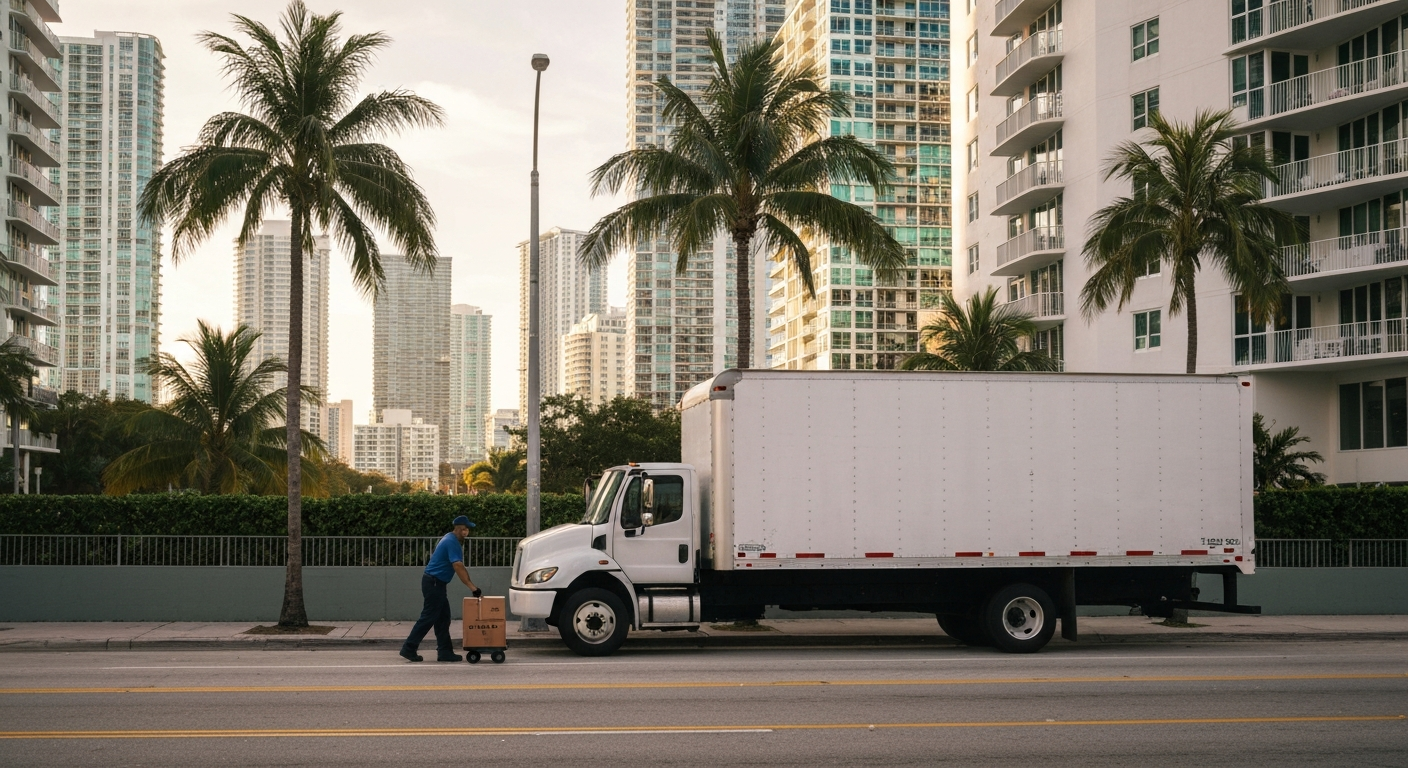
For interstate and long-distance moves, delivery is usually scheduled within a window rather than a specific day. This is especially relevant when aligning your PCS report date, travel, and possible temporary lodging.
Long-distance carriers generally provide a pickup date or window and a delivery spread, such as “5–12 business days after pickup.” The size of the window depends on distance, season, and service level. FMCSA notes that delivery spreads are common and must be documented in your Bill of Lading. Source: FMCSA Rights and Responsibilities.
Typical delivery window considerations from Miami include:
When you have a firm report date, work backward to determine when your household goods should arrive. Consider:
Share your PCS date and target delivery timeframe with your mover at the quoting stage. While no company can completely control interstate traffic or weather, experienced movers can help you choose pickup dates and shipping options that best align with your obligations.
A clear checklist reduces last-minute stress and keeps you aligned with both PCS requirements and local Miami conditions. Use the following as a starting point and customize it based on your orders and family situation.
| Timeline | Task | Why It Matters |
|---|---|---|
| 6–8 Weeks Before | Review PCS orders, contact Personal Property Office, decide on government-arranged move vs. PPM or hybrid | Sets overall strategy and entitlements |
| 4–6 Weeks Before | Request quotes from licensed movers, ask about military rates, confirm availability | Gives you time to compare and choose a mover |
| 3–4 Weeks Before | Coordinate building rules, COI, elevator and dock reservations; begin decluttering | Prevents access problems at Miami buildings |
| 2 Weeks Before | Finish non-essential packing, separate “Do Not Move” items, confirm pickup dates and times | Ensures a smooth moving day |
| Moving Week | Pack essentials bags, supervise load day, secure keys and documents, do final walk-through | Reduces risk of forgotten items and documentation issues |
6–8 Weeks Before Moving Day
4–6 Weeks Before
3–4 Weeks Before
2 Weeks Before
Moving Week
After Arrival at New Duty Station
A PCS move from Miami is guided by your official orders and usually managed through the Defense Personal Property Program (DPS). You’ll coordinate with your Personal Property or Transportation Office, which arranges a government-contracted Transportation Service Provider (TSP) to handle your household goods. You can also choose a PPM, where you arrange your own mover in Miami and get reimbursed based on the government’s cost estimate and your documented expenses.
Yes. Many service members choose a Personally Procured Move (PPM), formerly called a DITY move, where they hire their own mover or rent a truck. You must coordinate this with your Personal Property Office, follow PPM guidance, and provide weight tickets and receipts. A privately hired Miami mover can handle your shipment, but you’re responsible for ensuring documentation supports your reimbursement claim.
For a PPM, you typically need:
Your Personal Property Office will provide exact requirements. Keep all documents organized from the beginning to avoid delays in reimbursement.
Request in-home or virtual surveys from licensed movers, especially if you have a multi-bedroom home. Provide details on all rooms, garages, storage spaces, and large or specialty items. Share information on stairs, elevators, and parking constraints. Ask the mover to specify whether the quote is binding, non-binding, or binding not-to-exceed, and request the estimate and terms in writing.
A binding estimate is a guaranteed price for the services and items listed on the estimate. You pay that amount unless you add extra items or services. A non-binding estimate is an educated guess; your final price is based on the actual weight and services used, so it can go up or down. For interstate moves, FMCSA explains these differences in detail. Source: FMCSA.
Most Miami condos and high-rise apartments do require a Certificate of Insurance (COI) before they allow movers to use elevators or loading docks. Ask your building for its COI requirements and a sample form, then send that information to your mover well before moving day. Without a proper COI, your move could be postponed or face last-minute complications.
Ideally, schedule movers 4–8 weeks before your desired pickup date, especially during peak summer PCS season. Last-minute options are sometimes possible, but your choices may be limited and costs may be higher. For emergencies, some companies, like United Prime Van Lines last-minute moves, specialize in quick-response service, but it’s still best to plan early whenever orders allow.
Inspect items at delivery and note any visible damage on the delivery paperwork before signing. Take photos and keep all related documentation. Then follow the claims process defined in your contract or, for government-arranged moves, the guidance from your TSP and Personal Property Office. Timely reporting is essential; many programs and companies have strict deadlines for filing claims.
Long-distance movers provide a delivery spread—such as “7–14 business days”—based on your route, season, and service level. They coordinate dispatch and routing to deliver within that window. You should receive updates during transit and a more precise delivery date as the truck nears your destination. Always share your PCS report date and temporary lodging plans so your mover can plan realistically.
Released Value Protection is the basic, often no-cost coverage for interstate moves, usually limited to about $0.60 per pound per item. Full Value Protection (FVP) provides higher coverage, requiring movers to repair, replace, or compensate based on the item’s current value, subject to contract terms and deductibles. FVP usually costs extra but offers more meaningful protection, especially for furniture and electronics.
For Florida moves, the contact information is:
A military move to or from Miami combines the pressure of PCS orders with the realities of a complex coastal city: condo rules, humidity, traffic, and hurricane season. By understanding how estimates work, clarifying your documentation for PPM or hybrid moves, and choosing licensed movers experienced with long-distance and local Miami logistics, you can protect your time, budget, and household goods.
Use this guide as a checklist and conversation starter with your Transportation Office and any mover you’re considering. The more clearly you plan—around COIs, elevators, storage, and delivery windows—the smoother your Miami military relocation will be, whether you’re staying in South Florida or heading clear across the country.