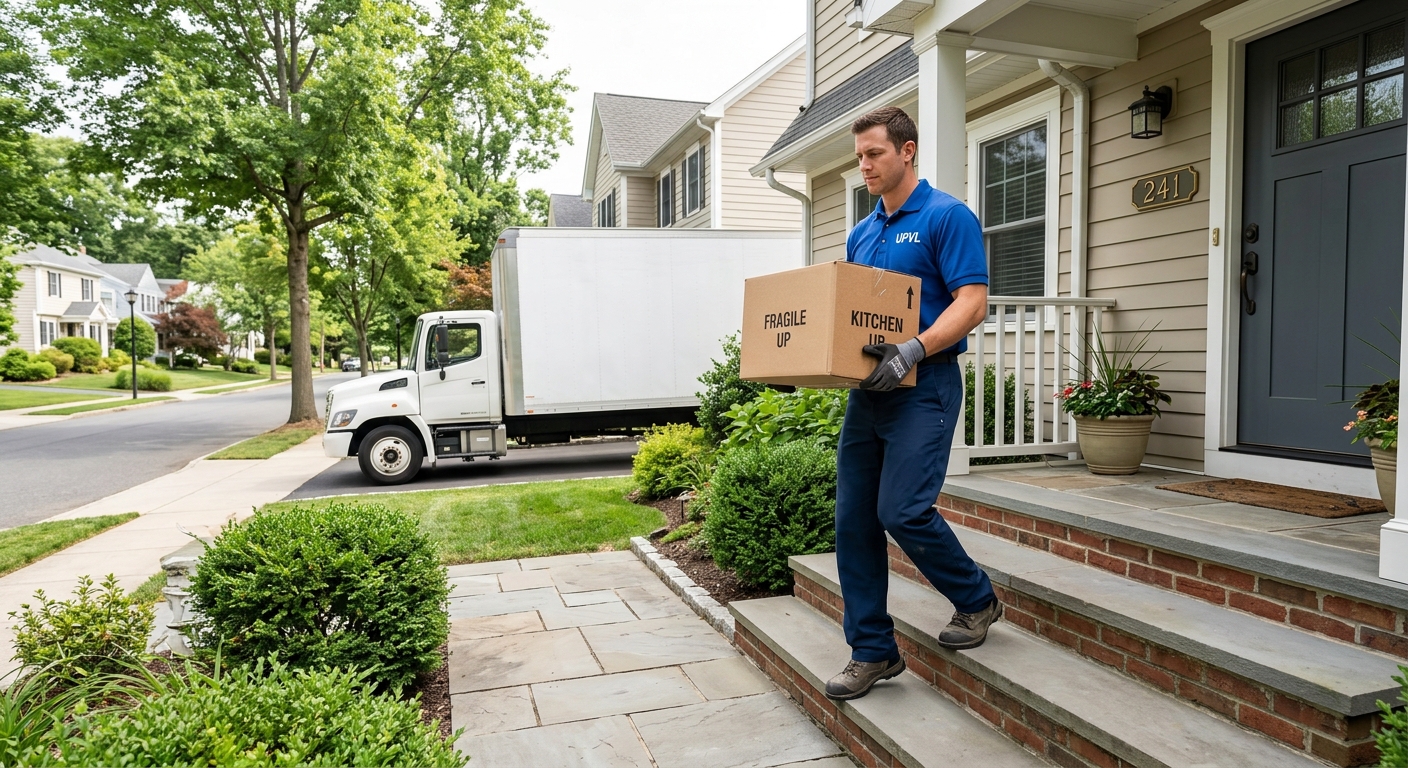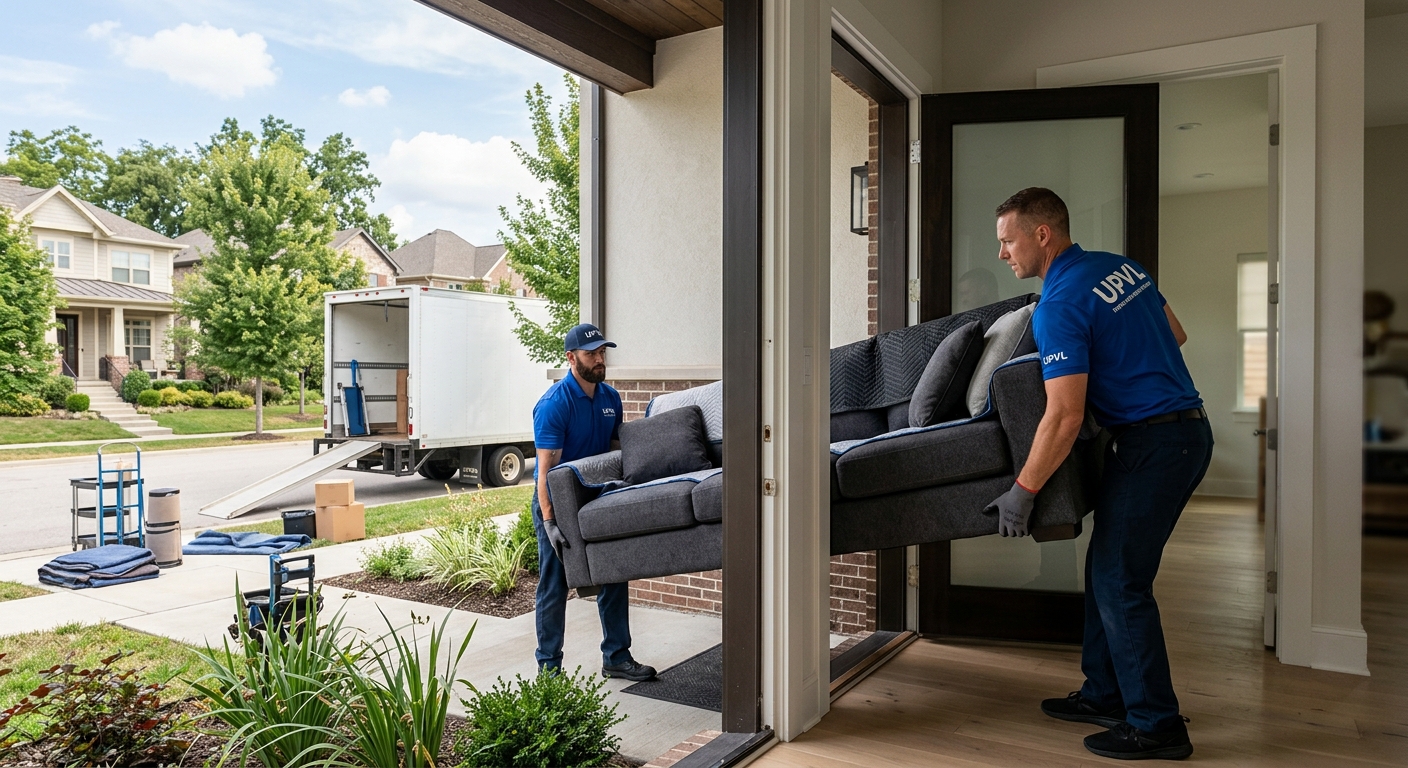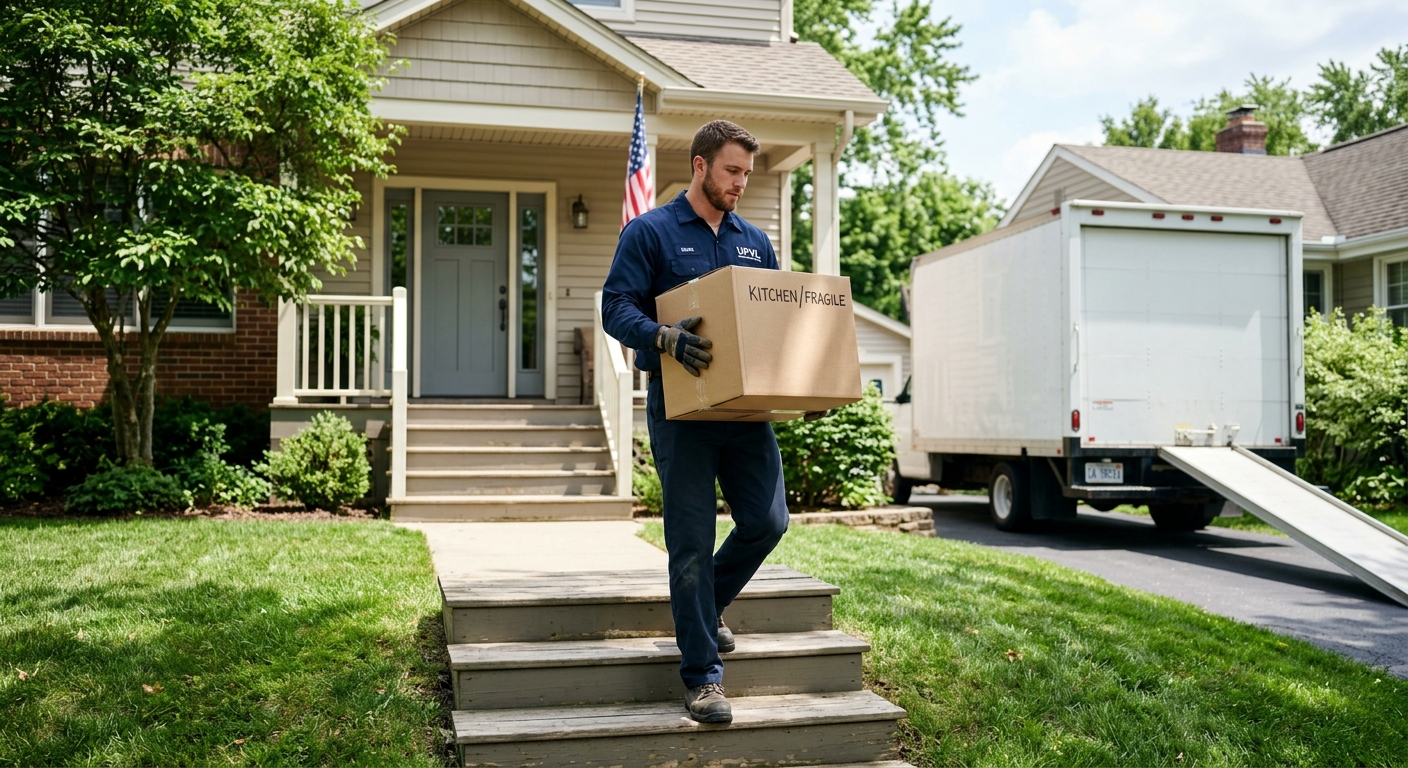
Planning a move in Los Angeles often means juggling more than just boxes and a moving truck. Tight closing dates, LA traffic, and small apartments make flexible storage Los Angeles options just as important as choosing the right movers.
Quick Navigation
Using moving and storage together is often the only practical way to move smoothly in Los Angeles. Lease dates rarely line up, home closings get delayed, and many neighborhoods—from Downtown LA to Santa Monica—have strict move-in windows and limited parking.
For an LA move, storage can help you:
Because storage Los Angeles options vary so much (warehouse vs. self-storage vs. storage-in-transit), planning early is critical. A good mover can combine trucking, storage, and delivery into one coordinated schedule so you are not moving the same items multiple times.
Traffic and access are also big reasons LA residents lean on moving-and-storage services. In areas like West Hollywood, Koreatown, and parts of the Valley, parking is tight, alleys are narrow, and some buildings only allow moves during certain hours. Temporary storage gives you flexibility when you can’t unload everything in one shot.
During a move, you can combine several types of storage depending on your timing, budget, and how often you need access. Most Los Angeles customers choose between mover-operated warehouse storage, storage-in-transit, or traditional self-storage.
Here is a quick comparison of common storage Los Angeles options when you are moving:
| Storage Type | Best For | Key Pros |
|---|---|---|
| Mover Warehouse Storage | Combined move + storage with one company | Professional handling, inventory, integrated delivery |
| Storage-In-Transit (SIT) | Short gaps (days or weeks) with long-distance moves | Seamless from truck to warehouse to final delivery |
| Self-Storage (Non-Climate) | Budget storage, non-sensitive items, frequent access | Lower cost, you control access and loading |
| Climate-Controlled Self Storage | Furniture, electronics, artwork in LA heat | Temperature and humidity control for sensitive items |
| Portable Storage Containers | DIY moves, flexible loading schedule | Container delivered to your home, can ship or store |
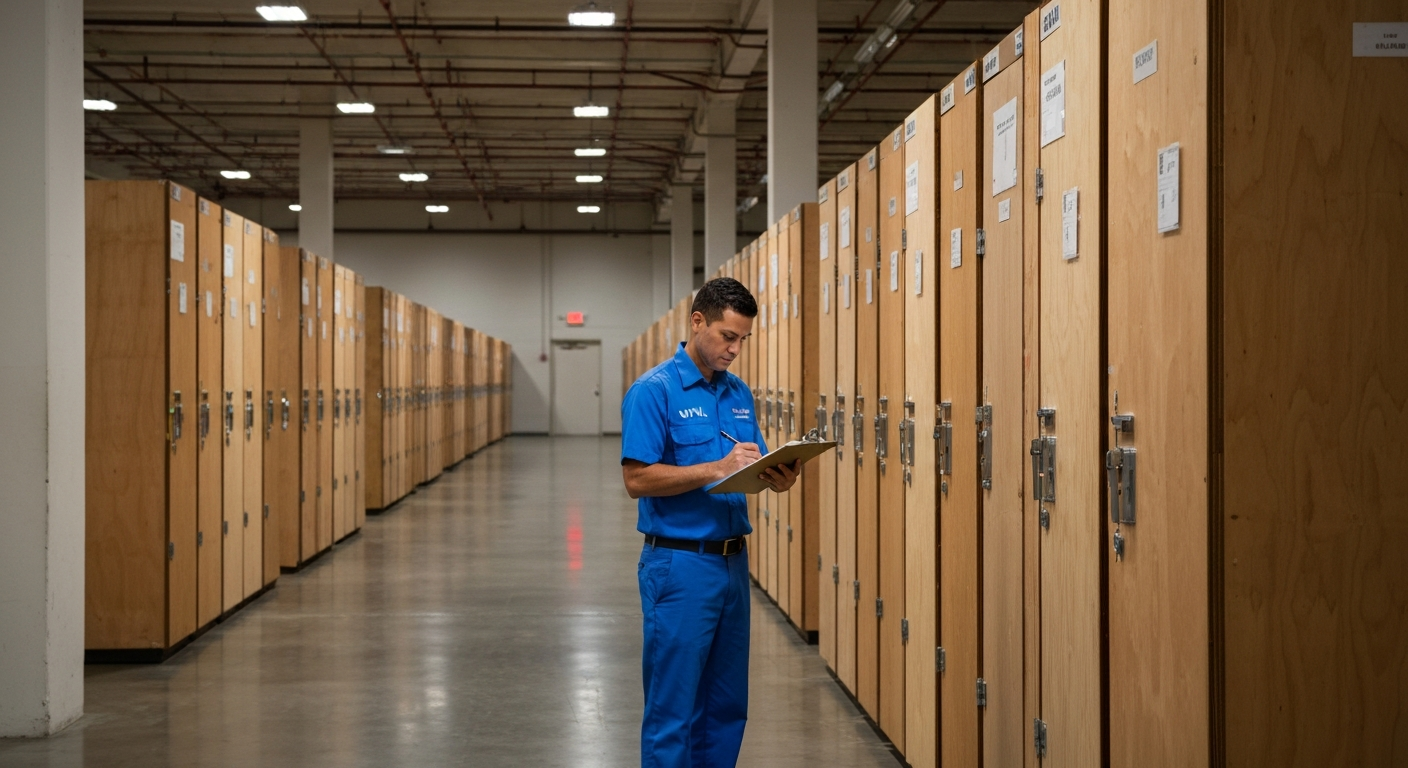
Many full-service movers in Los Angeles, such as United Prime Van Lines in Los Angeles, can combine a local or long-distance move with their own secure warehouse storage. This usually means your items are loaded once, stored in containerized vaults, then reloaded for final delivery—reducing handling and damage risk.
With mover-operated storage, the same company that packs and loads your belongings also stores them in a private or shared warehouse. Items are typically placed into wooden or steel vaults that are sealed and labeled.
This is different from self-storage, where you rent a unit and handle the move-in and move-out yourself. Warehouse storage is ideal if you don’t need frequent access and want the mover to take full responsibility for handling and logistics.
Traditional self-storage around LA (for example, in Van Nuys, Inglewood, and Glendale) makes sense if:
Just remember that multiple trips in LA traffic can add a lot of time and gas costs, especially if you are moving from the Westside to the Valley or across town.
Storage needs are a bit different for a local Los Angeles move versus a state-to-state or cross-country move. Understanding those differences will help you decide whether you need short term storage Los Angeles or a longer solution.
On a local move within the Greater LA area—say from Burbank to Culver City or from Sherman Oaks to Downtown—storage is usually:
Many local movers can load directly from your home into storage vaults and then deliver once your new place is ready. For example, you might schedule a pickup on the last day of your lease, store your items for 10–20 days, then schedule delivery to your new apartment when keys are in hand.
If you’re working with a local mover like United Prime Van Lines local moving services, ask if they can provide both local truck service and secure warehouse storage under one agreement. This reduces the risk of miscommunication between separate companies.
For long-distance moves to or from Los Angeles—such as LA to Phoenix, San Francisco, Seattle, or New York—storage often happens in two ways:
Interstate movers are regulated by the Federal Motor Carrier Safety Administration (FMCSA). Storage-in-transit and related charges are governed under your interstate Bill of Lading. Source: FMCSA.
Common long-distance scenarios include:
In these cases, you may use SIT for up to 30–90 days (depending on the mover’s policy) and then convert to permanent storage if needed.
| Route Example | Typical Storage Need | Recommended Option |
|---|---|---|
| Santa Monica to Hollywood (local) | 4-day gap between leases | Short-term warehouse storage-in-transit |
| Los Angeles to Phoenix | 1–2 weeks between arrival and picking up keys | SIT at destination warehouse, then delivery |
| New York City to Los Angeles | Apartment not yet chosen, housing search in progress | 30–60 days SIT in LA, then local delivery |
| Pasadena to San Diego | Remodeling new home for 2 months | Longer SIT or warehouse storage at destination |
| LA to out-of-state with military orders | Orders change, delayed housing on base | Storage-in-transit under HHG (household goods) rules |
Because long-distance moves have delivery windows—often 2–14 days depending on distance and season—storage can also be a buffer if your truck arrives earlier than expected.
Storage-in-transit is a special kind of short-term warehouse storage tied directly to your move. Your items are stored temporarily while waiting for transportation or delivery to your final home.
Storage-in-transit (often called SIT) means your household goods are in the custody of the moving company, but delivery is delayed for a limited period. SIT is common with long-distance and interstate moves, but local customers in Los Angeles also use it when move-in dates don’t match move-out dates.
Key points about SIT:
FMCSA explains that if your goods are placed into storage at your request, the mover’s liability and billing rules may change once SIT ends and permanent storage begins. Source: FMCSA Moving Guide.
SIT is often the best option when:
For example, Downtown LA condos near South Park often require proof of insurance, a COI, and pre-booked elevator times. If your truck arrives early, SIT allows the mover to hold your shipment until building management gives the green light.
On an estimate, you might see SIT listed as daily or monthly storage charges plus warehouse handling fees.
| SIT Charge Type | What It Covers | When Applied |
|---|---|---|
| Warehouse Handling In | Unloading truck into vaults at warehouse | Once, when items enter storage |
| Daily/Monthly Storage Fee | Use of secure vaults or warehouse space | For each day or month in storage |
| Warehouse Handling Out | Loading vaults back onto truck for delivery | Once, when items leave storage |
| Additional SIT Period | Extended storage beyond initial estimate | If you request more time |
| Delivery From Storage | Truck, fuel, labor to deliver to new home | At final delivery |
Always ask your mover to explain how SIT fees will change if your storage period ends up shorter or longer than planned.
Climate controlled storage LA is important because Southern California heat, smog, and occasional humidity spikes can damage sensitive items over time. While LA enjoys mild weather, interior temps in garages and non-climate units can climb well above outdoor temperatures.
Climate-controlled storage means the facility maintains a stable temperature range (often around 55–80°F) and usually some humidity control. This helps protect:
According to the National Oceanic and Atmospheric Administration (NOAA), heat waves in Southern California are becoming more frequent and intense. That extra heat can cook items stored in metal or outdoor units.
You should strongly consider climate-controlled storage if:
For local and long-distance customers, ask whether your mover’s warehouse is climate-controlled or at least temperature moderated. Some moving warehouses are better for long term storage LA than others.
| Feature | Standard Storage | Climate-Controlled Storage |
|---|---|---|
| Temperature | Varies with outdoors; can get very hot | Kept in a moderate, stable range |
| Humidity | Not controlled; can fluctuate | Often somewhat regulated |
| Ideal For | Tools, patio gear, basic household items | Furniture, electronics, art, documents |
| Typical Cost | Lower monthly rate | 10–30% more per month |
| Best Storage Duration | Short-term, less sensitive goods | Medium to long-term, higher-value goods |
In hot inland areas like Chatsworth, Van Nuys, and Northridge, climate control is often worth the extra monthly cost to avoid warping, damage, and mold risk over time.
Short term storage Los Angeles generally means anything up to three months, and often just a few days or weeks. It’s especially common when LA customers face a timing gap or renovation.
People in LA typically need short-term storage when:
For example, a family moving from a house in Encino to a condo in Brentwood might store big pieces for three weeks while arranging an estate sale and waiting on the final closing.
For short-term needs tied directly to a move, mover-operated warehouse storage or storage-in-transit is usually more efficient than renting a separate self-storage unit.
Here is how short-term options compare:
| Option | Short-Term Advantage | Watch Outs |
|---|---|---|
| Warehouse Storage with Your Mover | Single crew and truck; fewer load/unload steps | Limited or no customer access during storage |
| Storage-In-Transit (SIT) | Built into long-distance move schedule | Maximum SIT period, then higher permanent storage rates |
| Self-Storage Unit | Frequent access, flexible hours | You must arrange truck and labor twice |
| Portable Container | Can be left at driveway and then stored | HOA or street parking limits in dense LA areas |
| Garage or Friend’s Home | Lowest direct cost | Security, damage, and relationship risks |
If your schedule is tight or you are moving during LA’s busy season (late spring through early fall), reserve your storage as soon as you have approximate move dates. Short-notice requests may still work—especially with providers that specialize in last-minute moves—but you’ll have more options when you book early.
Long term storage LA typically means more than three months, and often six months to several years. It’s common for customers who are:
If you know you will need storage for six months or more, discuss long-term pricing and conditions with your mover up front. Some companies offer discounted monthly rates for longer commitments, especially if you also use them for packing and moving.
Important questions for long-term storage:
| Feature | Mover’s Warehouse Long-Term | Self-Storage Long-Term |
|---|---|---|
| Handling | Professionally handled by movers | DIY; you and helpers do all loading |
| Access | Often by appointment; limited access | Frequent access with your gate code |
| Security | Controlled entry, monitored warehouses | Varies; many have cameras and gates |
| Ideal Use | Whole-house contents, no frequent access | Mixed storage + periodic item retrieval |
| Integration with Move | Part of full-service move; fewer trips | Separate from your mover; more logistics |
For large, whole-house shipments while you live elsewhere, warehouse storage with your mover is usually simpler. For occasional access to business stock or hobby equipment, a self-storage unit might be more practical.
Customers who plan to store items long-term should also look at comprehensive packing and disassembly services, like the furniture disassembly and assembly options offered by many full-service moving companies. Proper packing before long storage prevents damage and pest issues.
Storage costs in Los Angeles vary widely based on location, facility type, security level, and whether storage is bundled with full-service moving. Instead of guessing, it helps to understand what drives the price.
Actual prices change with season and availability, but for context, many LA customers encounter ranges like:
| Storage Type | Approximate Monthly Range | Notes |
|---|---|---|
| 5x10 Self-Storage (Standard) | $100–$200 | Basic unit, non-climate, varies by neighborhood |
| 10x10 Climate-Controlled Self-Storage | $180–$350 | Higher in dense or high-demand areas |
| Mover Warehouse Vault (Per Vault) | $150–$300 | Includes secure facility; usually no walk-in access |
| Storage-In-Transit (SIT) | Daily or monthly; often similar to vault rates | Plus handling charges in/out of storage |
| Portable Container (Stored in Yard) | $200–$400+ | Container plus storage; extra for transport |
These are broad ballparks, not quotes. Always request a written estimate from your chosen company. For full-service moving and storage, you can get a bundled quote by contacting a provider like United Prime Van Lines.
When storage is combined with a move, your estimate may include:
For interstate moves, FMCSA requires that movers provide a written estimate and explain whether it is binding, non-binding, or a binding-not-to-exceed estimate. Source: FMCSA.
| Estimate Type | How Price Works | Impact on Storage Fees |
|---|---|---|
| Non-Binding | Final price based on actual weight/time | Storage fees may change with actual volume/time |
| Binding | Fixed price for listed services and volume | Storage may be included for a specific time and volume |
| Binding Not-to-Exceed | You pay lower of actual or binding amount | Storage usually itemized; extensions cost extra |
| Local Hourly Estimate | Based on time and crew size | Storage charges may be separate flat monthly rates |
| Flat-Rate Local Move | One price for move portion | Storage clearly itemized on contract |
Always verify how monthly storage fees may change if you extend or shorten your stay. Ask about discounts for pre-paying several months in advance or bundling with packing services.
Access is a major difference between mover-operated storage and self-storage. Before you choose a facility, decide how often you will really need to visit your belongings.
With warehouse storage or storage-in-transit managed by your mover:
This is ideal if you’re storing an entire home and don’t need to grab boxes every month. It is less ideal if you frequently need to retrieve inventory, tools, or seasonal items.
Typical self-storage features include:
Parking and loading policies will vary widely by facility. In tight neighborhoods, large moving trucks may not fit directly at your unit, requiring smaller shuttles or long walks.
In Los Angeles high-rises and many luxury buildings in areas like Downtown, Century City, and parts of Hollywood, you may also need a Certificate of Insurance (COI) from your mover showing liability coverage for common areas. Many condo associations and HOAs require this before you can move goods in or out.
Packing for storage is different from packing for a same-day move. Because items may sit for months—or longer—you must think about dust, temperature, stacking, and pests.
Short-term (up to 3 months) can be a bit more forgiving, but for long-term storage, invest in better materials and professional packing where possible.
| Item Type | Short-Term Storage Tips | Long-Term Storage Tips |
|---|---|---|
| Boxes | Use good-quality moving boxes; label clearly | Use sturdy boxes; avoid overloading; seal tightly with quality tape |
| Furniture | Use moving blankets; avoid plastic directly on wood | Wrap in breathable materials; slightly elevate off floor if possible |
| Clothing | Wardrobe boxes okay for a few months | Use sealed plastic bins with desiccant packs |
| Electronics | Original boxes if available; keep cords together | Original or heavy-duty boxes; climate control strongly recommended |
| Artwork | Cardboard corners and flat boxes | Custom crates or professional packing; climate-controlled storage |
Full-service movers can take over some or all of your packing, reducing the risk of damage—especially when items are going into long-term storage.
Services often include:
If you’re considering professional help, look at dedicated options such as full-packing services and furniture handling by experienced crews.
Understanding how your belongings are protected in storage is just as important as choosing the right facility. With moving and storage, there are two key concepts: valuation coverage (provided by the mover) and separate third-party insurance.
Valuation is the mover’s level of liability for your goods during transportation and, in many cases, during storage-in-transit. FMCSA describes two main valuation options for interstate moves: Released Value and Full Value Protection. Source: FMCSA.
Some movers extend FVP to goods while in storage-in-transit, but not always to permanent or long-term storage. Ask for details in writing.
Valuation is not the same thing as a homeowner’s insurance policy. You may be able to purchase separate moving or storage insurance from a third-party provider to cover higher-value items and specific scenarios like fires, floods, or earthquakes.
Key questions to ask:
In addition to comparing prices, verify that your mover and storage provider are properly licensed and that the facility is secure.
For interstate moves to or from LA, your mover must be registered with the FMCSA and have a USDOT number. You can verify mover licensing and complaint history at the FMCSA website. Source: FMCSA.
For intrastate moves within California, movers must be licensed by the California Public Utilities Commission (CPUC) and comply with state regulations for household goods carriers. Source: California CPUC.
Security questions to ask your storage provider:
For self-storage facilities, also consider lighting, fencing, and visibility from the street. For mover-operated warehouses, ask how often inventories are audited and how access is controlled.
A clear step-by-step checklist helps you avoid surprises with both your move and your storage plan.
For house-to-house or apartment moves that may involve storage, many Los Angeles customers prefer working with a single company that can manage local moves, long-distance transportation, and storage, such as services highlighted on house moves and apartment-focused solutions.
Storage-in-transit (SIT) is short-term warehousing of your household goods while they are in the custody of your mover. You should use SIT when there is a temporary gap between when your items are picked up and when your new home is ready, such as delayed closings, travel overlaps, or building elevator restrictions. SIT is especially common with long-distance interstate moves to or from Los Angeles.
Costs vary by size, duration, climate control, and location, but many LA customers see monthly ranges of roughly $150–$300 per warehouse vault, $100–$200 for a small standard self-storage unit, and $180–$350 or more for climate-controlled self-storage, depending on neighborhood and demand. Additional handling charges often apply when your mover loads items into and out of storage. Always obtain a written estimate for your specific situation.
If your items are stored in a mover’s warehouse or storage-in-transit, access is usually by appointment only and may involve handling or labor fees to retrieve your vaults. With self-storage, you typically have more flexible access during gate hours and can visit your unit as needed. Decide how often you need access before choosing between warehouse storage and self-storage.
Climate-controlled storage is not mandatory for every item, but it is highly recommended for long term storage LA of wood furniture, electronics, artwork, musical instruments, and important documents, especially during hot summers and in inland areas like the San Fernando Valley. Stable temperature and humidity help prevent warping, cracking, and mold. For short-term storage of basic household items, standard storage may be sufficient.
The maximum SIT period depends on your mover and whether your move is local or interstate. Many interstate movers allow 30–90 days of SIT under your Bill of Lading. After that, your shipment may convert to permanent storage under a separate contract with different liability and pricing terms. Confirm the exact maximum SIT period and what happens if you need more time before you sign your contract.
If your closing date changes, contact your mover or storage provider immediately. In most cases, you can extend your storage period as long as you continue paying storage and any associated fees. However, rates and available delivery dates may change, especially during peak moving season in Los Angeles. Early communication gives your provider the best chance to adjust your schedule smoothly.
Some storage facilities and movers allow vehicles to be stored in dedicated spaces or specialized warehouses, but many standard household goods warehouses do not accept automobiles or motorcycles due to safety and insurance limitations. If you need to store a vehicle, ask specifically about vehicle storage, fuel and battery requirements, and whether it must be stored separately from your household shipment.
Yes. You should not place perishable food, live plants, hazardous materials (paint, solvents, aerosols, propane, gasoline), firearms and ammunition (unless your provider explicitly allows them under strict rules), or important personal documents and jewelry in storage. Keep passports, vital records, medications, and irreplaceable items with you, not in any storage unit or warehouse.
Absolutely. Many long-distance customers from LA use storage-in-transit at origin or destination, or long-term storage when moving temporarily for work or school. Your interstate mover can typically coordinate pickup, storage at an LA warehouse, and later delivery either back to Los Angeles or to a new address in another state. Make sure your contract clearly lists storage charges and maximum SIT periods.
Use sturdy boxes, professional packing materials, and avoid overpacking. Wrap furniture in breathable pads or blankets rather than tight plastic against wood, especially for long-term storage. Choose climate-controlled storage for sensitive items, document high-value belongings, and consider professional packing for fragile pieces. Review your valuation coverage or third-party insurance options so you understand what is covered in case of damage.
For California moves, the contact information is:

Moving in Los Angeles is rarely as simple as loading a truck, driving a few miles, and unloading the same day. Tight schedules, building rules, and long-distance timing make storage a crucial part of a smart move plan.
Whether you are looking for short term storage Los Angeles during a one-week gap or long term storage LA while you relocate out of state, take time to choose the right mix of mover-operated warehouse storage, storage-in-transit, or self-storage. Pay attention to climate control, access, and how storage fees integrate with your moving estimate.
By asking clear questions about climate controlled storage LA, valuation coverage, security, and access policies, you can keep your belongings safe and your move on schedule—without paying for more than you really need.