Moving insurance is one of those topics most people don’t think about until something goes wrong. Boxes arrive, furniture gets placed, and everyone hopes nothing was damaged along the way. But hope isn’t a plan — and understanding what protection actually exists can make a huge difference in how confident you feel on moving day.
Let’s break this down in plain English. What’s covered, what isn’t, what options you really have, and how to choose the right level of protection for your move.
Here’s the first thing to clear up: most moving companies don’t technically sell “insurance” in the traditional sense. What they provide is valuation coverage, which defines the mover’s liability if items are lost or damaged.
That distinction matters because coverage levels, reimbursement rules, and exclusions vary depending on what you choose.
Understanding the difference upfront prevents surprises later.
Every licensed interstate mover is required to offer Released Value Protection. This is the default option if you don’t select anything else.
This coverage is usually included at no additional cost, but it’s very limited.
Here’s how it works:
This option is best viewed as minimum liability, not true protection.
It keeps costs down, but it’s rarely enough for households with modern furniture, electronics, or sentimental items.
For people who want meaningful coverage, Full Value Protection (FVP) is the most common upgrade.
Under FVP, the moving company is responsible for:
The choice depends on the situation and the agreement outlined before the move.
Coverage is based on the declared value of your shipment, not individual guesses after the fact. This means accuracy during inventory and valuation matters.
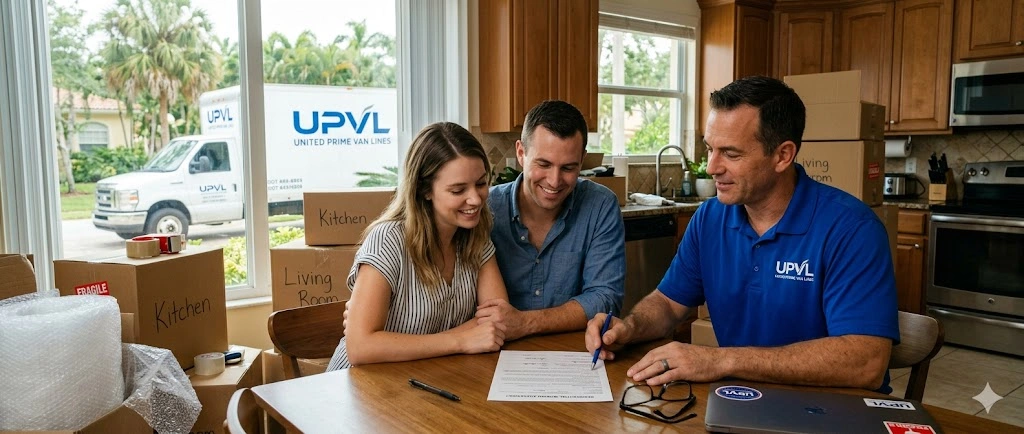
At United Prime Van Lines, we walk through valuation options carefully so customers understand exactly how protection applies before moving day.
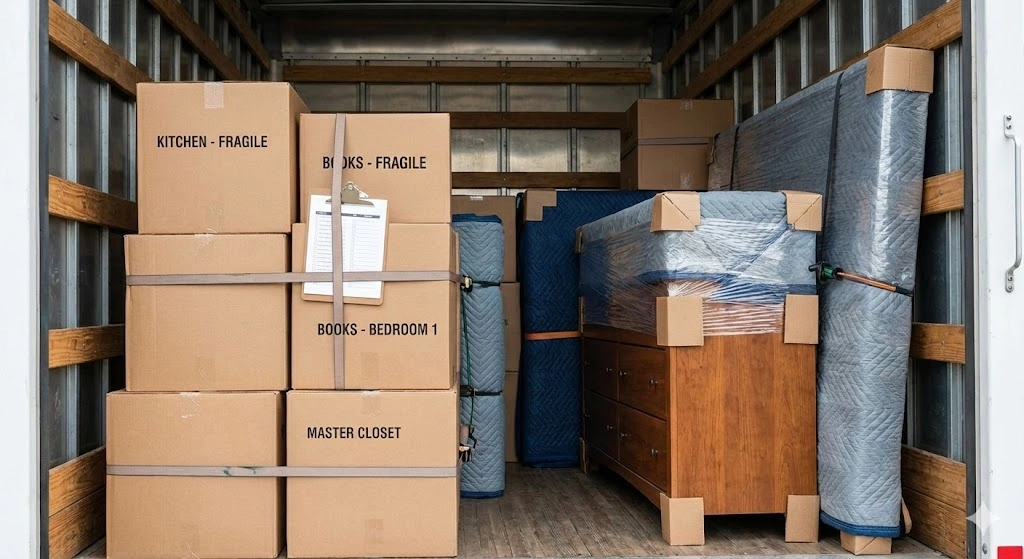
This is where misunderstandings happen most often.
If you pack boxes yourself, movers may not cover internal damage unless there’s visible external damage to the box.
Jewelry, collectibles, artwork, antiques, and specialty electronics often require separate declaration or additional coverage.
Scratches consistent with age, minor cosmetic marks, or pre-existing damage usually aren’t covered.
If it’s not documented, it’s difficult to claim later.

In some cases, customers choose third-party insurance instead of, or in addition to, mover-provided valuation.
Third-party policies may:
It’s important to read the fine print and understand claim timelines.
There’s no one-size-fits-all answer. The right choice depends on what you’re moving and your comfort level.
If the thought of limited reimbursement makes you uneasy, upgrading coverage is usually worth it.
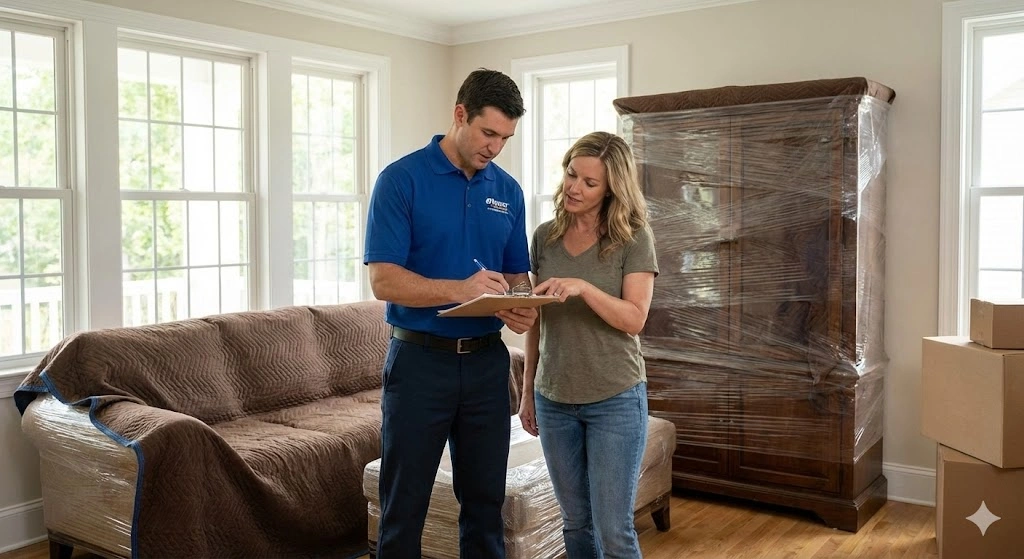
Reliable movers don’t rush through coverage options.
They should clearly explain:
At United Prime Van Lines, we believe transparency matters. Understanding protection ahead of time helps customers move with confidence rather than anxiety.

When you know what’s covered and what isn’t, the entire move feels different. You’re not guessing. You’re prepared.
Moving insurance isn’t about expecting damage — it’s about removing uncertainty. And when uncertainty disappears, moving becomes far less stressful.