LOGO
Moving Regulations & Insurance December 21, 2025

Your Rights & Responsibilities When Hiring a Moving Company in the U.S.

Your Rights & Responsibilities When Hiring a Moving Company in the U.S.

When you book a mover in the U.S.—especially for a long‑distance move—you’re not just buying a truck and some muscle. You’re entering into a legal relationship that is actually regulated pretty tightly, especially for interstate moves.

Most people don’t realize they have specific rights when they hire a moving company. They also don’t realize they have responsibilities too—and if you ignore them, you can lose money, protection, or leverage in a dispute.

Let’s walk through what really matters, in plain English, from someone who lives in this world every day. I’ll keep it focused on what you’re likely to face whether you’re moving from Hallandale Beach to another state, or leaving Chatsworth, CA for a cross‑country relocation.

Why “Rights and Responsibilities” Even Matter

When you hire a moving company—especially for an interstate move (one state to another)—you’re protected under federal law. The main thing you’ll see referenced is a brochure called:

“Your Rights and Responsibilities When You Move” (published by the Federal Motor Carrier Safety Administration – FMCSA)

Any licensed interstate mover is required to either give you that brochure or a link to it before the move. If a company doesn’t mention it, that’s already a red flag.

Here’s why this matters to you:

  • It defines what the mover must do.
  • It explains what you must do to keep your protections.
  • It lays out how estimates, payments, claims, and liability work.
  • It gives you a framework if something goes wrong.

At United Prime Van Lines, we try to take the legalese and translate it into normal conversation. That way, when we walk through your moving paperwork—whether you’re in South Florida or out in the Valley in Chatsworth—you understand exactly what you’re signing.

Your Key Rights When Hiring a Moving Company

1. The Right to a Written Estimate (Not Just a Verbal Quote)

You’re always entitled to a written estimate. For interstate moves, this estimate must be in writing and based on an in‑home or virtual survey of your belongings (unless you waive that in writing).

There are three types of estimates:

Binding Estimate

  • A fixed price for the services listed.
  • If your shipment weighs more or less than expected, the price doesn’t change—as long as you don’t add services or extra items.
  • If you add more stuff or more services on move day, the mover can create a revised written estimate.

Non‑Binding Estimate

  • An educated guess, not a guaranteed price.
  • Final charges are based on actual weight and services, not the estimate.
  • For interstate moves, the mover can’t charge more than 110% of the non‑binding estimate at delivery. Anything above that becomes a later bill.

Binding Not‑to‑Exceed (or Guaranteed Not‑to‑Exceed)

  • If your actual weight is higher than estimated, you pay the estimate.
  • If your actual weight is lower, you pay less.
  • This is popular for customers who want protection both ways.

You have the right to ask what kind of estimate you’re getting and to refuse to sign something you don’t understand.

2. The Right to Know Your Mover’s Credentials

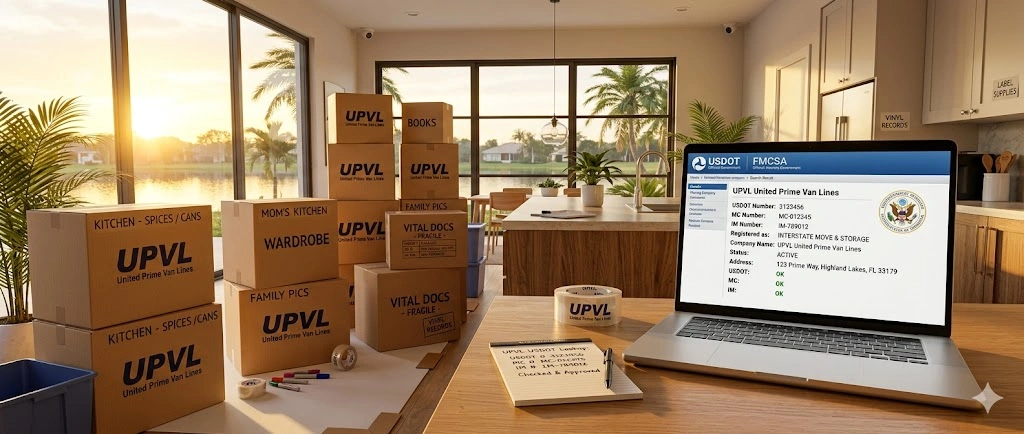
You have the right to verify that a moving company is properly licensed and insured for the type of move you’re doing.

For interstate moves, the company must:

  • Have a valid USDOT number.
  • Be authorized by FMCSA to transport household goods.
  • Show proper insurance on file.

For local / intrastate moves (like within South Florida or just around the San Fernando Valley), regulations vary by state. Florida and California both have their own rules for local moves, including licensing and required paperwork.

You can (and should) check:

  • FMCSA’s mover search for interstate: safer.fmcsa.dot.gov
  • State databases for local moves (e.g., Florida and California public searches).

A reputable company will never get defensive if you ask, “Can you send me your DOT number and license info?”

At United Prime Van Lines, we expect that question—and we actually like when customers ask it. It means you’re doing this the smart way.

3. The Right to Clear Paperwork (Bill of Lading & Order for Service)

Two key documents protect you:

Order for Service

  • This is basically your work order.
  • It lists services, estimated charges, and dates.
  • You should receive this before the move begins.

Bill of Lading

  • This is your contract and your receiptthe most important document.
  • It includes:
  • Your name and address
  • Mover’s name, address, and USDOT number
  • Pickup and delivery dates (or spread)
  • Type of estimate and charges
  • Valuation/coverage option you chose
  • You’ll sign it at origin; the driver signs it at both ends.
  • You have a right to a copy of the Bill of Lading before the truck leaves.

Never let a truck pull away with your life on it if you haven’t seen and received a copy of that document.

4. The Right to Choose Your Level of Protection (Valuation)

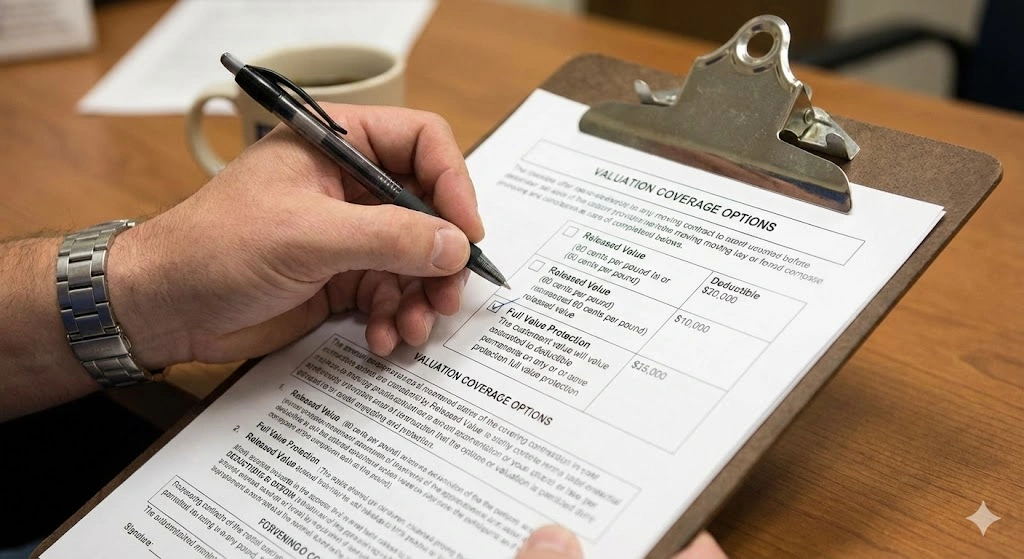
This is where a lot of people get confused. Valuation isn’t exactly “insurance,” but it’s how the mover’s liability for your belongings is defined.

For interstate moves, you almost always choose between:

Released Value Protection (60 Cents per Pound per Article)

  • Included in the base rate at no extra charge.
  • If something is lost or damaged, compensation is $0.60 per pound per item.
  • Example: A 50‑inch TV weighing 40 lbs is damaged. Under this, the payout is 40 x $0.60 = $24. That’s it.
  • This is the default if you don’t choose anything else in writing.

Full Value Protection (FVP)

  • You pay an additional fee.
  • If something is lost or damaged, the mover must either:
  • Repair it, or
  • Replace it with a similar item, or
  • Pay you the current market replacement value (up to policy limits).
  • There’s usually a deductible and a minimum valuation amount based on shipment weight.

You have the right to:

  • Have these options explained in normal language.
  • See the cost difference.
  • Make a written choice on your Bill of Lading.

When we book a move at United Prime Van Lines, we spend time on this part because it’s where expectations either come together—or fall apart later. Especially on bigger moves from Hallandale Beach condos or Chatsworth single‑family homes, it’s not the place to rush.
Post image

5. The Right to Itemized Charges and Honest Billing

You have a right to understand what you’re paying for:

  • Line‑item charges for:
  • Transportation
  • Packing services
  • Packing materials
  • Storage
  • Long carries, stairs, shuttles (if any)
  • Fuel or other surcharges (if used)
  • Any optional services must be:
  • Listed
  • Priced
  • Approved by you

You also have protections against certain tactics, like:

  • Being forced to pay more than 110% of a non‑binding estimate at delivery.
  • Surprise charges that weren’t explained or authorized.

Always ask the mover to walk through the estimate line by line. With United Prime Van Lines, we treat that as a normal, expected part of the call—not an annoyance.

6. The Right to Reasonable Pickup & Delivery Windows

You have the right to know:

  • Your pickup date or pickup spread (range).
  • Your delivery window or spread.

For long‑distance moves, exact delivery dates are often ranges, especially during peak season. That’s normal. What isn’t normal is a mover going dark on you.

You have a right to:

  • A clear time window.
  • Updates if schedules change.
  • Contact info for the company (and usually the driver) so you’re not just waiting in your empty Hallandale Beach condo or your new Chatsworth rental wondering where the truck is.

7. The Right to File a Claim and Have It Reviewed

If something is lost or damaged, you have a right to:

  • File a written claim.
  • Have the mover investigate and respond within a defined timeframe.

Typical federal guidelines:

  • You must file a claim in writing (email/online often counts) within 9 months of delivery for interstate shipments.
  • The mover usually has:
  • 30 days to acknowledge the claim.
  • 120 days to deny or make a settlement offer, or explain delays.

Keep it factual, detailed, and include photos. The better you document, the smoother this is for everyone.

Post image

Your Responsibilities as a Customer (The Part Most People Skip)

Rights go both ways. To keep your protections, you also have some real responsibilities. Ignoring these can cost you money or legal protection.

1. Tell the Truth About What You’re Moving

The estimate is only as good as the information you provide. You’re responsible for:

  • Being honest about:
  • Number of rooms
  • Large or specialty items (pianos, safes, pool tables, large plants, etc.)
  • Access issues (elevators, long walks, narrow streets, parking restrictions)
  • Informing your mover before move day if:
  • You add a storage unit
  • You decide to take the garage/attic items after all
  • You’re adding or removing big items

If your actual load is much larger than described, the mover is legally allowed to:

  • Revise the estimate
  • Charge for the extra weight and time
  • In some rare cases, reschedule or require a second trip

The more transparent you are, the more accurate your cost—and the smoother your move will be.

In our calls at United Prime Van Lines, we’ll usually ask follow‑up questions that sound nosy (“Do you have anything in storage?” “What’s the parking like at your Hallandale Beach building?” “Is your Chatsworth street big‑truck‑friendly?”). That’s not us being picky, that’s us protecting you from surprises later.

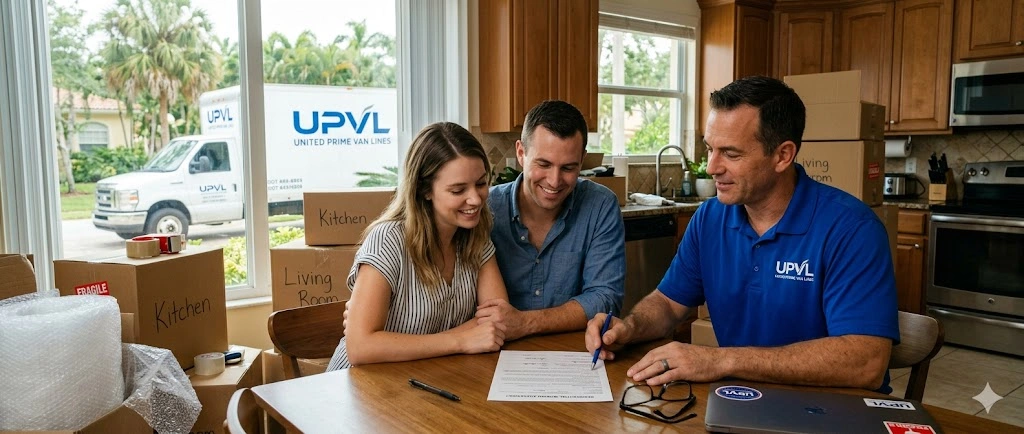
2. Read Your Paperwork (Yes, Really)

You’re responsible for:

  • Reading and understanding:
  • Estimate type (binding, non‑binding, etc.)
  • Valuation coverage
  • Pickup and delivery windows
  • Any special terms or exclusions
  • Asking questions before signing.

If you sign off on:

  • Released value protection (60 cents/lb)
  • A non‑binding estimate
  • A broad delivery window

…those decisions will control how your move and any potential claims are handled.

Take 10–15 minutes, sit down with the documents, and if something doesn’t make sense, ask. A good mover will walk you through it calmly, not rush you off the phone.

3. Pack Properly If You’re Doing Your Own Packing

If you pack your own boxes, you accept part of the responsibility for how those items survive the trip.

Your duties include:

  • Using sturdy boxes and proper packing materials (not just an old grocery box).
  • Labeling boxes clearly, especially:
  • “Fragile”
  • “This Side Up”
  • Room names
  • Not overloading boxes (heavy items in small boxes, light items in big boxes).
  • Sealing boxes properly.

Movers are usually not liable for damage to items you packed yourself if the box shows no external damage. In other words: if the box looks fine but the TV inside is broken, the mover will likely argue it was packed improperly.

One way around this: Ask your mover (like us at United Prime Van Lines) to pack particularly fragile or high‑value items, even if you’re doing most of the packing yourself.

4. Be Available and Reachable

You’re responsible for:

  • Being present or having an authorized adult at:
  • Pickup
  • Delivery
  • Being reachable by phone during:
  • Transit
  • Delivery window

If the crew shows up and no one is there to:

  • Sign paperwork
  • Direct placement
  • Confirm inventory

…you can end up with delays, extra fees, or even storage charges.

If you’re flying from South Florida to California or the other way around, plan your travel so someone can meet the truck—even if it’s a trusted friend, family member, or building manager you’ve authorized ahead of time.

5. Inspect Your Goods at Delivery

You don’t have to unwrap every coffee mug on the spot, but you are responsible for:

  • Checking furniture and big items for obvious damage.
  • Making note of:
  • Missing items
  • Visible damages
  • Recording those issues on the delivery paperwork (the Bill of Lading / inventory).

You typically sign a statement like “Received in apparent good order except as noted.” If you don’t note visible damage or missing pieces, it doesn’t kill your claim—but it can make it harder later.

A simple habit:

  • Walk through room by room as the crew finishes.
  • Check major furniture, electronics, TVs, glass, and big items.
  • Take photos right away if you see something off.
Post image

6. Follow the Claim Process and Deadlines

If something really is lost or damaged, your responsibility is to:

  • File a written claim within the required time (often 9 months).
  • Include:
  • Move date
  • Contract number
  • Description of damage or loss
  • Photos
  • Approximate value
  • Cooperat with any inspection or follow‑up requests.

Don’t wait six months if you already know something is wrong. The sooner you report it, the easier it is to investigate.

United Prime Van Lines, for example, has a structured claim process; the more detail you give us up front, the faster we can get you an answer or settlement.

Red Flags to Watch Out For When Choosing a Mover

Knowing your rights is one half. The other half is spotting trouble before you hand over your belongings.

Here are some signs to be cautious:

  • No written estimate. Only wants to “ballpark it” over the phone, refuses email confirmation.
  • Large deposit in cash or Zelle only. Reputable movers might take a small deposit by card, but they don’t demand big cash payments up front.
  • No USDOT number for an interstate move. Or they don’t want to share license details.
  • Won’t provide the “Rights and Responsibilities” information. Required for interstate moves. If they’ve never heard of it, walk away.
  • Name confusion. Different company names on truck, paperwork, and website, or “we just changed names” with no explanation.
  • Too good to be true pricing. Way below other quotes, with very vague descriptions of what’s included.

When people call United Prime Van Lines from Hallandale Beach or Chatsworth, we’ll sometimes tell them: “Honestly, that other quote sounds suspiciously low. Double‑check their DOT number and ask for a binding or not‑to‑exceed estimate in writing.” We’d rather lose a job than see you get stuck in a nightmare.

How United Prime Van Lines Fits Into All This

Since we’re not just talking theory here, here’s how we typically handle your rights and responsibilities in real life:

  • We explain estimate types in plain language and let you choose what makes sense for your budget and risk tolerance.
  • We walk through valuation options calmly, with real‑world examples (“That TV / that antique dresser—here’s how each option would treat it if anything happened.”).
  • We confirm access details for South Florida high‑rises, gated communities, and tight Chatsworth streets before move day so you’re not dealing with surprise shuttle or long‑carry charges.
  • We send paperwork ahead of time, not five minutes before the truck arrives.
  • We encourage questionsbecause if something’s bothering you now and you don’t ask, it’ll definitely bother you more later.

You’re never just “another job on the board.” When it’s your whole life in those boxes, the paperwork and the legal stuff suddenly become very real. Our job is to make that part feel clear and manageable, not overwhelming.
Post image

Quick Checklist: Protect Yourself Before You Sign

Here’s a short, practical checklist you can use whether you book with us or anyone else:

  • [ ] Got a written estimate (and I know if it’s binding, non‑binding, or not‑to‑exceed).
  • [ ] Confirmed the mover’s USDOT number and licensing.
  • [ ] Received or downloaded “Your Rights and Responsibilities When You Move.”
  • [ ] Understand my valuation choice and what happens if something is damaged.
  • [ ] Checked the pickup and delivery windows and they work for me.
  • [ ] Disclosed all large items, storage units, and access issues.
  • [ ] Read the Bill of Lading and I know where my copy is.
  • [ ] Know how to file a claim, just in case.

If you can check those boxes, you’re in a much stronger position than most people heading into moving day.
+1 (888) 807-5399