Moving from one state to another in the U.S. looks simple on the surface: you hire a mover, they load your stuff, they drive, you unpack. In reality, every state has its own rules about licensing, insurance, claims, parking, and even what you’re allowed to bring across the border.
If you don’t look at those rules ahead of time, you can end up with fines, delays, or a very tense conversation with your mover on moving day.
I’ll walk you through how state regulations actually work, what to expect in places like Florida and California, and how to quickly check the rules that matter for your move. I’ll explain this the same way I’d explain it to a friend getting ready to leave Hallandale Beach for California or moving into South Florida from up north.
Here’s the part most folks miss: When you move across state lines, there are two layers of rules:
1. Federal rules (FMCSA) These apply to interstate moves and cover things like:
2. State rules These vary and can cover:
Federal rules protect you on the transport side for interstate moves. But once a truck is in a state (like Florida or California), state rules kick in for things like:
This is why, at United Prime Van Lines, we always check origin state + destination state rules before we finalize a long‑distance move. If your mover isn’t doing that, you’re doing the homework for both of you.
Before we get into specific states, start with the basics.
If you’re moving from, say, Hallandale Beach, FL to Chatsworth, CA, your mover must:
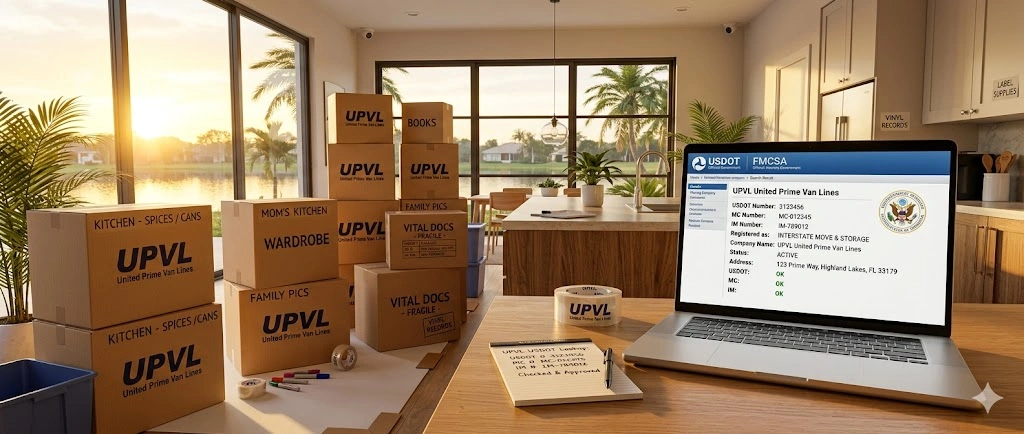
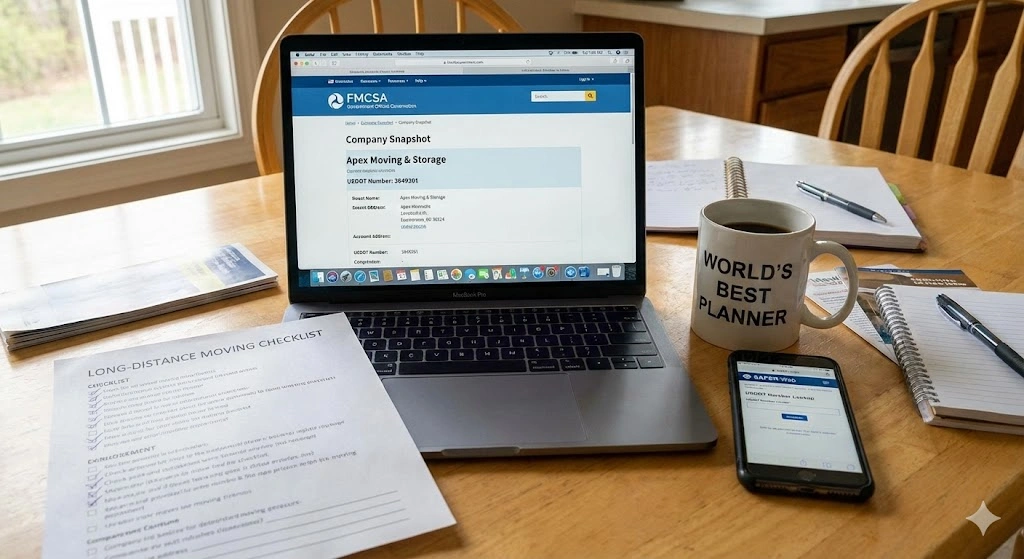
You can check this in two minutes:
If we’re handling your move at United Prime Van Lines, this is already in place — but I still encourage people to look it up themselves. You sleep better when you’ve actually seen it with your own eyes.
If you are:
You need a mover that’s licensed by the state, not just federally authorized. States treat intrastate (in‑state) moves like a separate world.
Florida is one of the stricter states when it comes to movers, which is good for you as a customer — if you know what to look for.
Florida movers must be registered with the Florida Department of Agriculture and Consumer Services (FDACS) if they perform in‑state moves.
For a move within Florida:
For an interstate move (Florida to another state), FDACS doesn’t license that move itself, but they still may help with complaints about pickup behavior in Florida.
For moves within Florida, movers must give you:
Red flag: a mover that only gives you a verbal quote and “will finalize later.” That’s usually how the price suddenly changes on moving day.
You’ll usually see two main types of protection:
When we plan a Florida move at United Prime Van Lines, we go over this on the phone, not buried in paperwork. The time to think about valuation is before the truck is loaded, not after something breaks.
This is where people get surprised. Cities and HOAs sometimes create their own micro‑rules. Around Hallandale Beach and South Florida, you might run into:
When a customer in Hallandale Beach books with us, one of the first questions we ask is: “Do you know your building’s move‑in/move‑out rules?” If the answer is “not really,” we’ll either call the building manager with you on the line or help you with the right questions to ask.
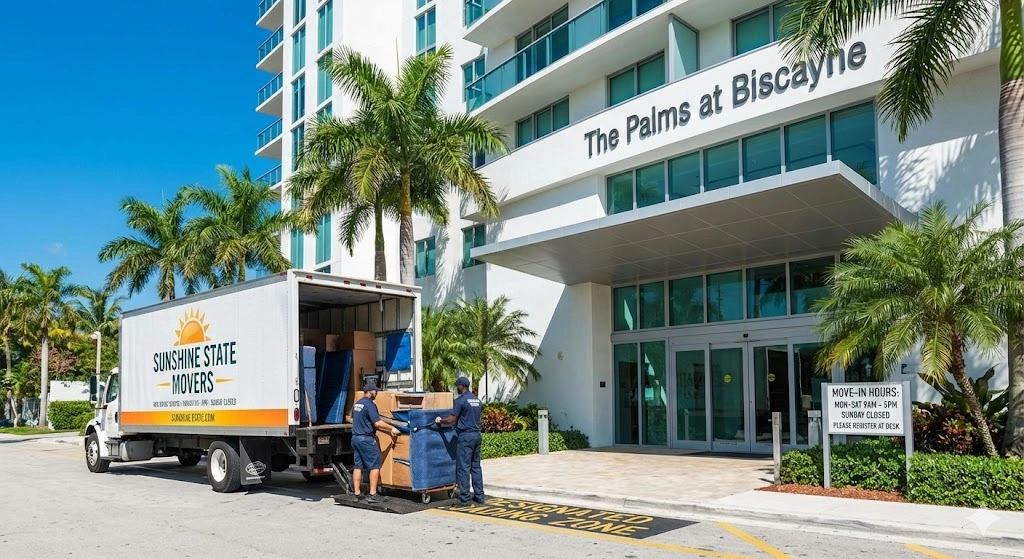
A sunny South Florida condo building with a moving truck parked neatly in a designated loading zone, movers using a padded elevator, and clear “Move‑In Hours” signage visible near the entrance.
California might be the most tightly regulated state for movers — especially for in‑state moves.
If you’re moving within California, your mover must be licensed by the California Public Utilities Commission (CPUC).
Look for a “CAL-T” number (e.g., CAL-T 012345):
If a company is doing in‑state moves in California without a CPUC license, you’re dealing with a rogue mover, no matter how nice their website looks.
For an interstate move into or out of California, federal rules (FMCSA) apply, but CPUC may still provide guidance to consumers on complaint processes.
For in‑state California moves, the mover must give you:
This is one of the most consumer‑friendly rules in the country.
What this means in practice:
Whenever we help someone moving into Chatsworth from elsewhere in California (say, Irvine or San Diego), we walk them through how that “Not To Exceed” works so there are no surprises.
In neighborhoods like Chatsworth and the broader LA area, access rules matter:
Shuttles cost extra, and this is one of those things you want discussed in advance. During our virtual or in‑person walkthrough, we’ll usually ask:
That tells us whether we send a big rig, a smaller truck, or plan for a shuttle.
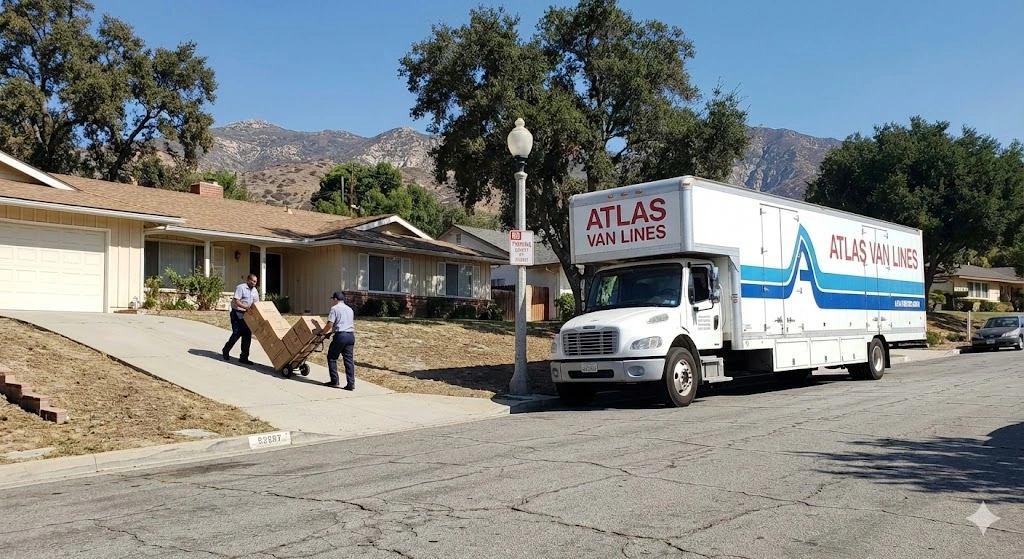
Beyond Florida and California, most states share a few patterns. Here’s what you should check for any state‑to‑state move.
Every state assigns movers to one of these agencies (it varies):
Basic Google search formula that works well:
“household goods mover regulations [state name]”
You’ll usually land on a state page that tells you:
So if you’re moving Hallandale Beach to Tampa, you’ll follow Florida’s intrastate rules. If you’re moving Hallandale Beach to Chatsworth, you’re mainly under federal rules, with Florida and California adding their local flavor.
A hidden cost to watch:
For example:
When you get a quote, ask plainly:
“Does this include all taxes and fees required by my state?”
At United Prime Van Lines, we price moves so that your quote is realistic, not artificially low with surprise state‑level add‑ons at the end.
This is one of those areas that feels trivial until you hit a problem at the state border or in your new building.
Some states are very serious about what plants, soil, and produce you can bring in, mainly to prevent pests and diseases.
If you’re attached to your plants, check the destination state’s agriculture department website. Sometimes you’re allowed to bring them if:
Still, in long‑distance moves, many people end up re‑homing plants before the move and buying new ones after they arrive. Heat, darkness, and lack of water in the truck are rough on plants anyway.
States may limit:
Insurance is another layer:
If you’re moving an expensive cellar, tell your mover in advance. In some cases, we’ll recommend:
Every state has its own firearm rules, and movers also have their company policies.
In general:
Interstate laws on firearms are complex, and state rules layer on top. For legal and safety reasons, we typically advise customers to personally transport firearms (if legal) and always check state and local laws at origin and destination.
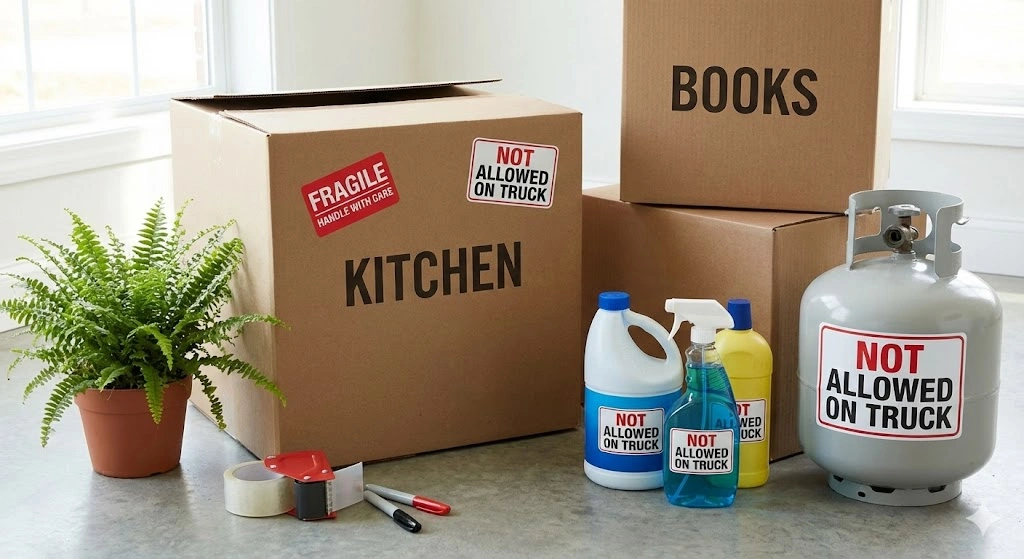
Most movers won’t carry:
These bans are supported by both federal and state safety rules. When we do your pre‑move rundown, we’ll go through a list of non‑allowables so you’re not stuck figuring it out on moving day.
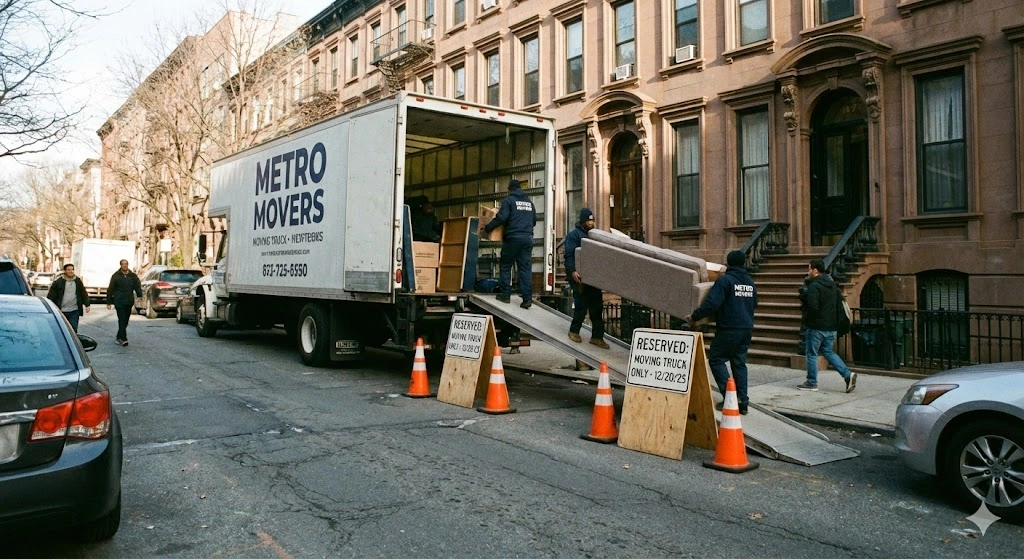
State rules often trickle down into city ordinances. That’s where things like tickets, towing, and grumpy neighbors come in.
Many cities in the U.S. require temporary parking permits to reserve space for a moving truck, especially in:
Depending on the city:
For a long‑distance move, you should ask both:
We often remind customers of this step when they’re moving into tighter areas. In South Florida suburbs, it’s less strict; in dense California or East Coast cities, it’s a big deal.
Many taller buildings in Florida and California:
These aren’t “state laws,” but if your movers can’t get elevator access, you basically can’t complete your move.
We always suggest:
That way we can match your building’s window with our crew’s schedule.
Some states or cities have layouts that make it hard to park right at your door. That can trigger:
These aren’t random extra charges — they’re responses to real access issues. But a good mover should:
When I talk with someone planning a move into a hilly California neighborhood or a tight South Florida cul‑de‑sac, I always ask for:
That’s how we avoid ugly surprises.
You hope you’ll never need this, but it’s important to know before something goes wrong who actually has your back.
Your main protections come from:
Claims process typically:
If you have an unresolved complaint about an interstate move, you can contact FMCSA’s National Consumer Complaint Database.
Here’s where regulators differ:
Other states have their equivalent.
It’s worth checking:
“household goods mover complaints [your state]”
This usually lands you on a consumer rights page that explains:
When we do a move, we explain the claims process clearly. Reading boring legal‑ese when you’re stressed and something’s broken is the worst timing imaginable.
You don’t need to become a legal expert. You just need a simple checklist.
Here’s what I usually recommend to customers building a move from, say, Hallandale Beach to another state or moving into Chatsworth from across the country.
For any interstate move, verify:
This takes five minutes and protects you from a world of pain.
Search:
“[your origin state] household goods mover regulations”
Then check:
If you’re starting in Florida:
Same search style:
“[your destination state] moving company regulations” or “[destination state] household goods movers consumer rights”
Key points to catch:
If you’re arriving in California:
Call:
Ask:
Then check city parking info:
“moving truck parking permit [city name]”
A good mover won’t roll their eyes at this. They’ll be relieved you asked.
At United Prime Van Lines, we actually like when customers raise these questions early. It means:
When you strip away all the jargon, state‑by‑state regulations exist for three reasons:
It’s a lot for one person to track when you’re already juggling jobs, kids, and everything else that comes with a move.
What we do at United Prime Van Lines, especially for folks moving from or to South Florida and places like Chatsworth, CA, is build that compliance into the planning:
If you take nothing else from this, remember:
Do that, and you’re already ahead of most people. The move stops feeling like a gamble and starts feeling like a project you actually control.