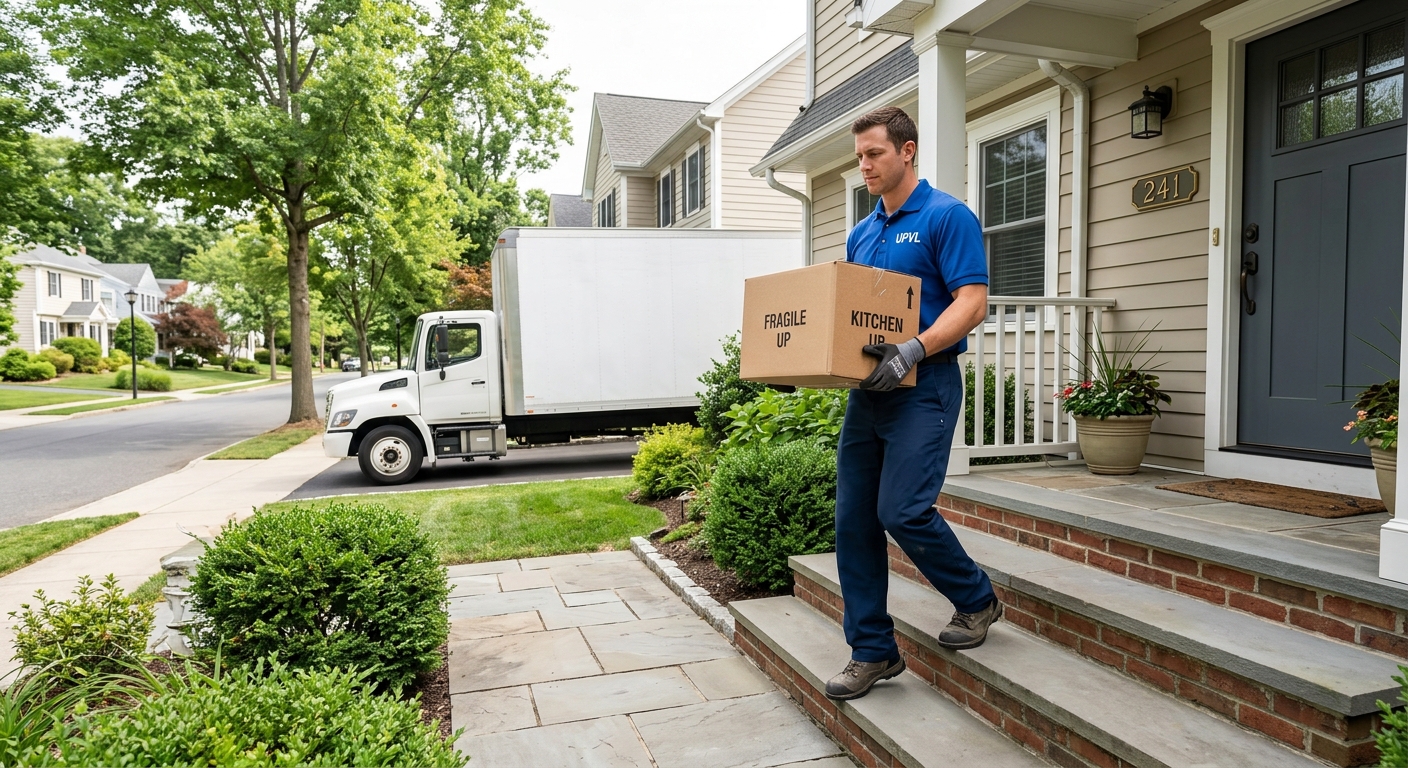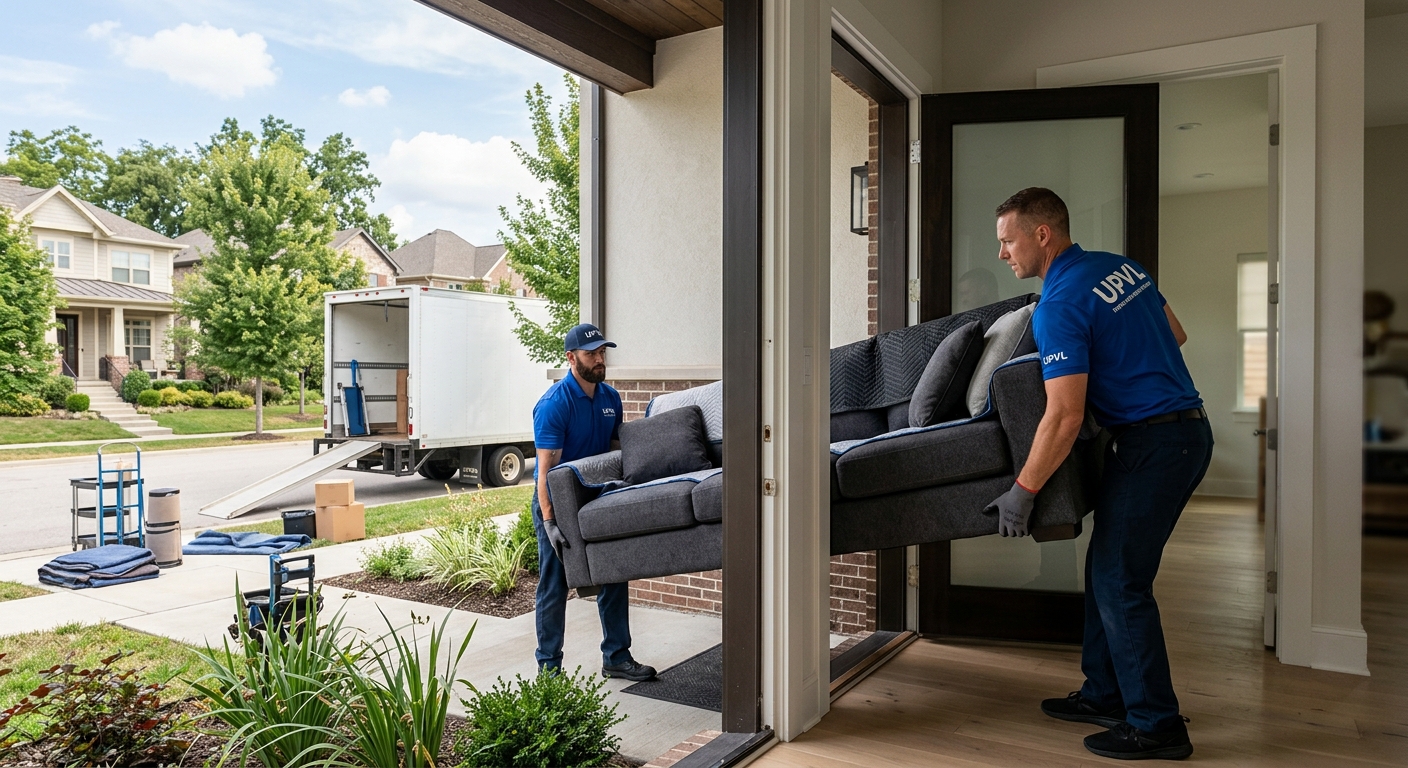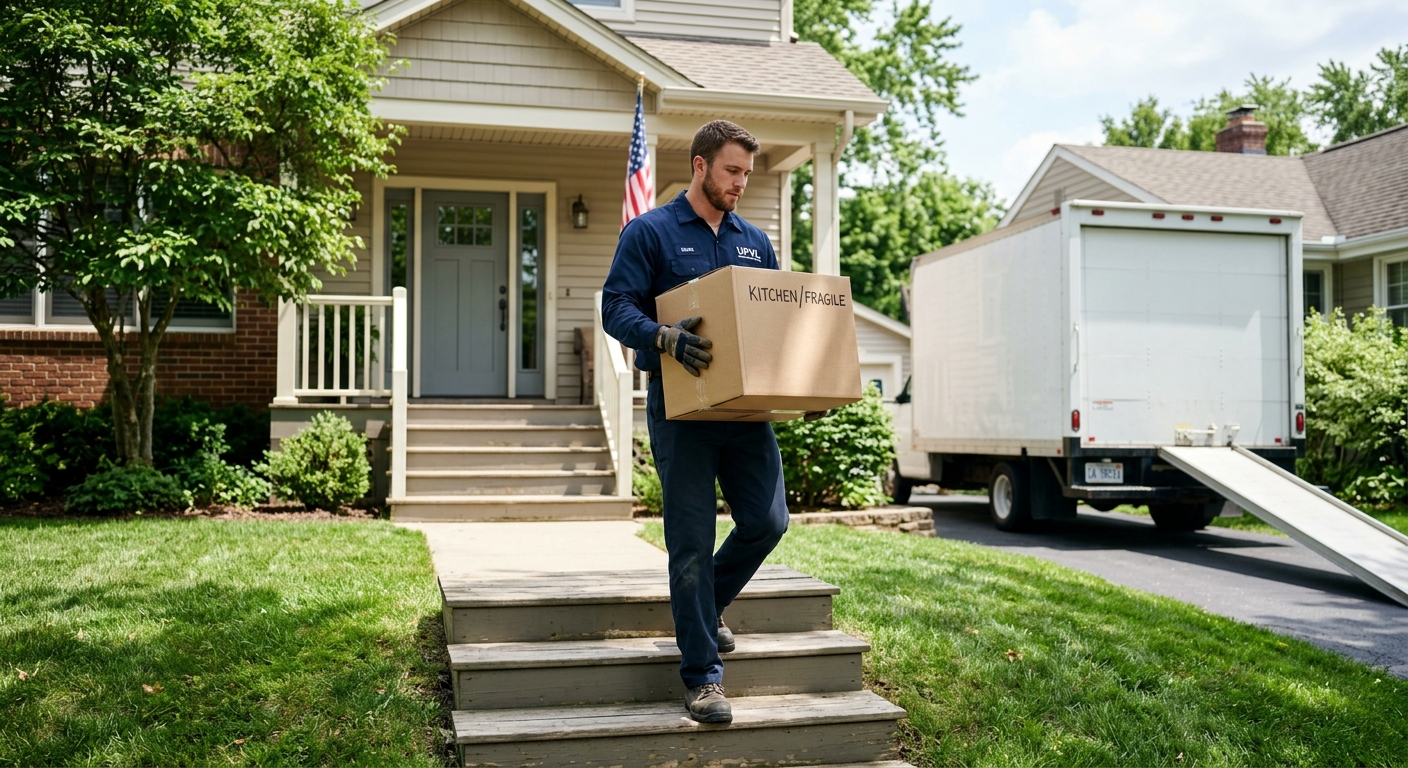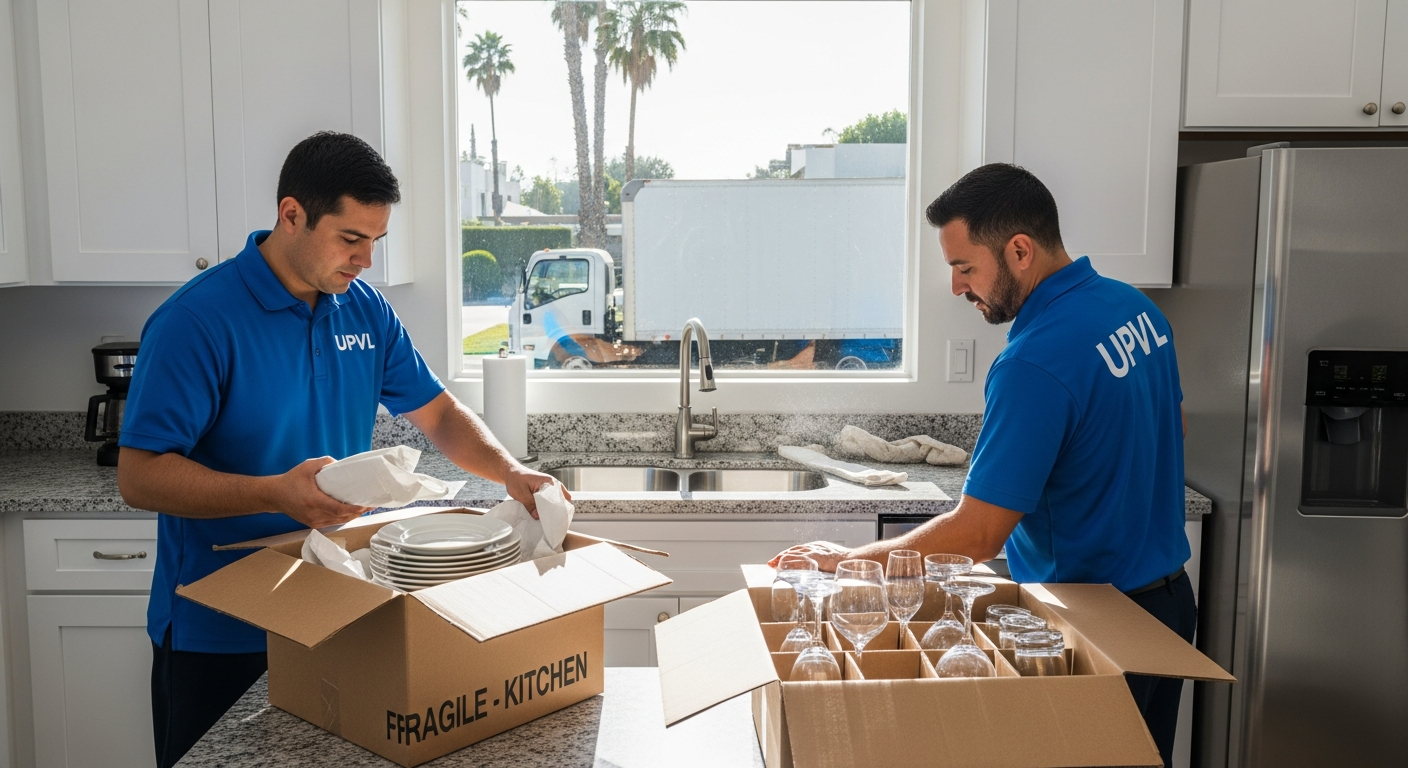
Getting ready to move in Los Angeles means juggling traffic, tight stairwells, and work schedules. Packing is usually the most stressful part. Professional packers LA residents trust can save days of labor, protect your belongings, and keep your move on schedule for both local and long-distance relocations.
Quick Navigation
Professional moving and packing Los Angeles services are not just a convenience; in many LA moves they are what keeps your timeline, budget, and belongings under control.
Los Angeles is a dense, high-traffic metro with expensive, often fragile belongings: tech, décor, art, and high-end kitchenware. Packing everything properly while managing parking rules, work hours, and building requirements is a huge lift.
Professional packers LA homeowners and renters use can:
Los Angeles traffic is infamous. According to U.S. Census Bureau data, average commute times are well above national norms. That means most people can only pack late at night or on weekends. By moving day, many customers are still surrounded by open boxes and loose items.
On top of that, LA has:
Hiring moving and packing Los Angeles experts lets you schedule a dedicated packing day before your move date, so everything is ready when the truck arrives.
| LA Challenge | How Pro Packers Help | Benefit for You |
|---|---|---|
| Traffic & long commutes | Full crew packs in one day | Minimal time off work, less stress |
| High-rise apartments | Elevator, COI, loading dock coordination | Avoid fines, delays, and building conflicts |
| Hillside homes | Strategic packing for shuttles & long carries | Better protection during tricky access |
| Expensive fragile items | Specialty cartons, padding, crating | Lower risk of damage and claims |
When people ask about packing and unpacking services LA movers provide, they usually mean one of several service levels. The right package depends on your budget, schedule, and how much you want to handle yourself.
Most reputable movers, including United Prime Van Lines, offer tiered options:
| Service Level | What's Included | Best For |
|---|---|---|
| Full packing service | All items packed, labeled, and prepared for transit | Busy professionals, families, long-distance moves |
| Partial packing | Only selected rooms or fragile items packed | DIY-friendly customers who need targeted help |
| Fragile-only packing | Breakables like dishes, glass, art, and electronics | Anyone comfortable boxing clothes/books but not glassware |
| Unpacking services | Unbox, remove paper, place items on surfaces | Fast setups after arrival, especially with kids or work |
With a full-service moving and packing Los Angeles package, the crew typically:
For large homes in LA suburbs like Sherman Oaks, Encino, or Pasadena, packing may take one full day or be split into two visits, especially if you’re also adding storage or staging for real estate showings.
Partial packing is popular with smaller apartments in neighborhoods like West Hollywood, Culver City, and Marina del Rey. You might pack clothes, books, and linens while pros handle:
Fragile-only packing is a smart compromise: it keeps costs down while dramatically reducing breakage risk.
Unpacking services can be scheduled for the same day as delivery or the next day. Crews can:
For busy LA professionals or families with small children, paying for unpacking can mean the difference between weeks of living out of boxes and getting settled quickly.
Packing for a move within Los Angeles is not the same as packing for a cross-country relocation. How far you’re going shapes how aggressively your belongings need to be protected.
For local moves between neighborhoods—say from Hollywood to Burbank or from Santa Monica to Downtown—the truck time might only be 30–90 minutes. But local moves still involve:
Professional packers LA locals hire for short moves often focus on speed and convenience: fast packing, clear labeling, and efficient loading so everything can be moved and set up in a single day.
Long-distance moves from LA to cities like Seattle, Denver, Chicago, Miami, or New York must withstand hundreds or thousands of highway miles. According to the FMCSA, interstate shipments may be handled multiple times during transit, so packing standards need to be higher than a simple across-town job.
For long-distance moves, your packers should:
| Move Type | Packing Focus | Extra Considerations |
|---|---|---|
| Local LA move | Speed, organization, building rules | Elevator time windows, loading zones, parking permits |
| Southern California regional move | Moderate distance, secure furniture padding | Heat exposure in Inland Empire, desert corridors |
| Cross-country move | Maximum protection, durable cartons | Multi-day transit, multiple handling points |
| Interstate apartment move | Compact packing, weight management | Long walks, shuttle trucks at origin/destination |
Long-distance moves use delivery windows, not exact times. Weather, traffic, and DOT regulations can shift schedules. That means your belongings might be on the truck for days. The better everything is packed, the less you have to worry about long exposure to vibration, stacking, and temperature changes.
When booking interstate services, consider pairing packing with long-distance transport from a provider that specializes in both, such as United Prime Van Lines long-distance moving. Coordinated teams understand how they themselves will load and transport the shipment, so they can tailor packing for that route.
Kitchen packing services Los Angeles residents request are some of the most valuable services a mover can offer. Kitchens are slow and tedious to pack, and they contain the highest concentration of breakables.
When you book kitchen packing services Los Angeles movers typically provide:
Most movers ask that you dispose of or move perishable foods yourself. Open liquids (like cooking oils and sauces) may need to be sealed in zipper bags or left behind, depending on distance and policy.
Experienced moving and packing Los Angeles crews follow a proven sequence:
The goal is to create a tight, cushioned cube of items that move as one solid mass, even on LA's bumpy surface streets or during interstate transport.
To keep packing day fast and efficient, you can:
| Kitchen Item | Packing Approach | Notes |
|---|---|---|
| Everyday plates & bowls | Individually wrapped, vertical stacking | Dish barrels or sturdy medium boxes |
| Wine glasses & stemware | Cell dividers plus wrapping | Clearly marked “Fragile / This Side Up” |
| Knives | Blade guards or wrapped bundles | Never left loose in boxes |
| Small appliances | Original box if available; otherwise padded box | Cords wrapped and secured |
Customers often worry most about fragile items and unique pieces. Professional packers LA homeowners hire deal with these every day and have specialty techniques and materials.
Fragile items include glassware, mirrors, lamps, china, collectibles, and electronics. A good crew will:
Each fragile carton should be clearly marked “Fragile,” “This Side Up,” and the room it belongs to, such as “Living Room – TV and components.”
For high-value artwork, antiques, and designer furniture, you may want more specialized solutions similar to what’s offered in dedicated art and antique moving services:
Always discuss declared value and valuation coverage (the moving industry’s term for liability and protection) when you have high-value items traveling interstate.
Many LA homes feature pianos, large sectionals, custom dining tables, or outdoor furniture. For these, proper disassembly and padding are crucial:
For pianos and other large specialty items, it’s worth choosing a mover with dedicated skills, similar to what you’d find in a service like piano moving.

People often ask first about packing cost. There isn’t a one-size-fits-all number in a city as varied as LA, but the main factors are straightforward. Understanding them helps you compare quotes more confidently.
Professional packers LA prices are usually based on a mix of:
An accurate in-home or virtual survey is critical for realistic pricing. Be honest and comprehensive with what you plan to move.
| Cost Factor | How It Affects Price | What You Can Control |
|---|---|---|
| Home size | More rooms and items mean more time and materials | Declutter before estimate; donate or sell extras |
| Service level | Full packing is more than partial or fragile-only | Mix DIY for non-fragile with pro packing for breakables |
| Materials | Higher-quality boxes and wrap cost more but protect better | Decide if you’ll provide any boxes or rely fully on movers |
| Access / parking | Hard-to-access buildings may require more crew time | Reserve parking, get permits, and secure elevators when possible |
Every move is unique, but customers often want ballpark expectations for packing cost:
The most reliable way to get numbers is to request a detailed estimate from an LA mover that offers packing, such as full packing services by United Prime Van Lines.
For local moves, packing may be priced as a separate hourly service plus materials. For long-distance moves, packing is often bundled into a larger quote that includes transportation and valuation charges. The FMCSA outlines how interstate movers must structure estimates, especially when packing is part of the shipment cost.
Packing and unpacking services LA customers purchase may be billed hourly, at a flat rate, or wrapped into a binding or non-binding long-distance estimate. Knowing the differences helps you avoid surprise charges.
For many local moves, crews charge an hourly rate for:
Hourly billing works well when the inventory is straightforward and you’re comfortable with a flexible final price.
Some movers offer flat rates or per-box pricing for specific services, especially fragile-only or kitchen-only packing. For example, a quote might list a price per dish barrel, wardrobe box, or TV carton, including labor and materials.
| Pricing Method | How It Works | Best Use Case |
|---|---|---|
| Hourly labor + materials | You pay for actual time and supplies used | Local moves with flexible budgets |
| Flat-rate packing | Fixed price for defined rooms or the whole home | Customers wanting firm numbers before packing |
| Per-box pricing | Rate per packed box based on size/type | Kitchen-only or fragile-only projects |
| Bundled into interstate estimate | Packing included in binding/non-binding contract | Long-distance, state-to-state relocations |
For interstate moves, federal law requires written estimates that clearly state whether they are binding or non-binding:
FMCSA explains the difference in detail here: FMCSA binding estimates. Ask your mover which estimate type they are using and how packing is factored into that number.
When people ask about boxes in their FAQ, they’re usually trying to figure out how many they need, what sizes, and whether to buy their own. Good moving and packing Los Angeles companies will show up with the right assortment and quality of materials.
Most professional packers LA teams use a standard set of box sizes:
Using too many large boxes for heavy items is a common DIY mistake that leads to broken boxes and injuries.
Professional-grade moving boxes are designed to be stacked high in a truck without collapsing. Cheap or reused boxes (like grocery store boxes) may not have the necessary strength or uniform size, which increases crush risk and makes stacking inefficient.
| Box Type | Pros | Cons |
|---|---|---|
| Professional moving boxes | Strong, stackable, consistent sizing | Higher upfront cost if purchased separately |
| Big-box store boxes | Easy to find, inexpensive | Variable strength, sizes may not match truck stacking |
| Reused boxes | Low or no cost, eco-friendly | Weakened structure, unknown weight rating |
| Plastic bins | Reusable, good for long-term storage | Lids can pop off, not always efficient to stack in trucks |
Beyond boxes, pros rely on:
If you’re mixing DIY with professional packing, you can still purchase materials directly from the mover to ensure consistency and quality.
Any serious research into moving and packing Los Angeles services should include licensing and insurance checks. This is especially important when strangers are packing everything you own.
For moves within California, movers must be licensed by the California Public Utilities Commission (CPUC) or the state agency that oversees household goods carriers. Historically, the California Bureau of Household Goods and Services (BHGS) has been a key regulator, enforcing rules about estimates, contracts, and consumer protections.
For interstate moves, companies must have a USDOT number and operating authority from the FMCSA. You can look up a mover’s record on the FMCSA’s SAFER system to see safety data and complaint history.
Customers often use “insurance” as a catch-all term, but in moving, the key concept is valuation coverage—the level of carrier liability for your belongings.
The FMCSA explains valuation coverage in detail here: FMCSA — Moving Insurance and Valuation. For valuable items or long-distance relocations, many LA customers choose some form of FVP.
In Los Angeles, high-rise apartments, condos, and office towers frequently require a Certificate of Insurance (COI) from your mover before they allow crews on-site. A COI proves the moving company’s liability and workers’ compensation coverage meets the building’s requirements.
Commonly requested COI conditions include:
Always ask your building management about COI requirements early, and share any sample wording with your mover so they can coordinate with their insurance agent.
Los Angeles is governed by local rules and enforcement from agencies such as LADOT. Some neighborhoods may require temporary no-parking permits or have restrictions on loading in alleys or red zones. Professional moving and packing Los Angeles companies will help you navigate:
Planning ahead saves time and avoids parking tickets or forced long walks with boxes.
Many LA moves involve an extra step: temporary storage or staging while homes are listed for sale or while new construction is completed.
Storage and packing are often combined when you:
A mover can pack, inventory, and transport your belongings into secure storage. When you’re ready, they deliver and optionally unpack. For example, United Prime Van Lines storage services can be combined with full packing to create a seamless two-step move.
In hot LA real estate markets like West LA, Studio City, or Manhattan Beach, decluttering and staging can increase sale price and reduce days on market. Packing services can:
Labeling and organized packing are crucial here, since you might not open some of those boxes for months.
When packing for long-term storage, crews should:
Think of long-term storage as an “off-site closet” and plan your packing lists accordingly.
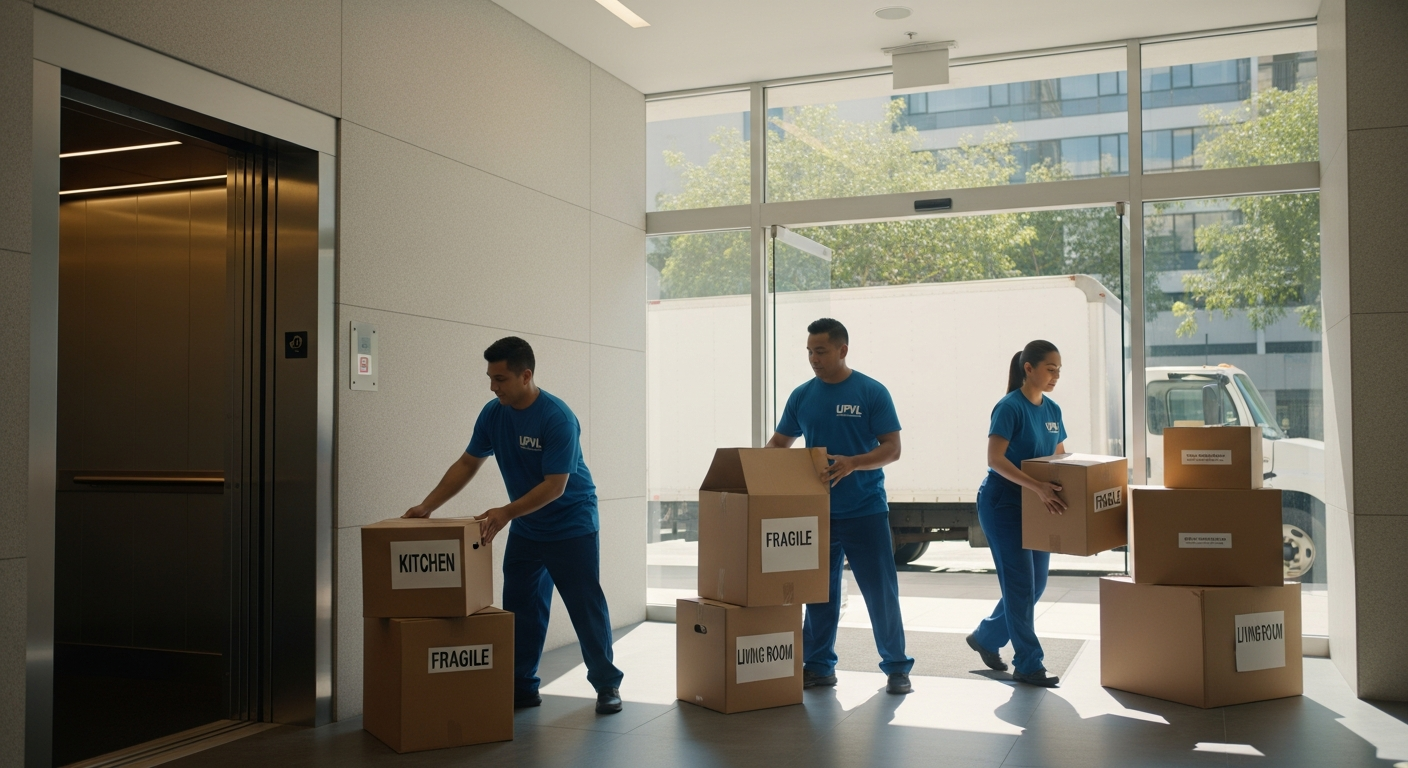
A practical checklist keeps your LA move and packing process on track. Use this as a starting point and adjust as needed for your home size and schedule.
| Checklist Stage | Main Focus | Key Actions |
|---|---|---|
| 4–8 weeks out | Planning & estimates | Get quotes, choose service level, start decluttering |
| 2–3 weeks out | Logistics | COI, elevator, parking, storage decisions |
| 1 week out | Preparation | Separate essentials and valuables, finalize coverage |
| Packing & move days | Execution | Direct crew, verify labels, do final walkthroughs |
Packing cost in Los Angeles depends on your home size, how much you own, and whether you choose full, partial, or fragile-only packing. Movers typically charge for labor (by the hour or as a flat rate) plus materials (boxes, paper, bubble wrap). Studios and small apartments may only need a few hours of packing time, while larger homes can require full days or multiple crews. The only way to know your exact cost is to get a written estimate based on an inventory walkthrough.
Yes. Professional packers LA residents use are trained to handle delicate items like glassware, china, artwork, mirrors, and electronics. They use heavy-duty boxes, ample packing paper, bubble wrap or foam, and specific methods like vertical plate packing and cell dividers for stemware. For especially valuable items such as fine art or antiques, you can request custom crating and enhanced valuation coverage for extra protection.
Most moving and packing Los Angeles companies provide all necessary boxes and packing materials as part of their service. They bring a range of box sizes, dish barrels, wardrobe cartons, packing paper, bubble wrap, and tape. You can also choose to supply your own boxes, but professional-grade cartons are generally stronger and stack better in the truck. Discuss your preferences with the mover so they know whether to bring materials or only labor.
Absolutely. Many customers pack clothing, books, and linens themselves and hire professionals for fragile items, the kitchen, and specialty pieces. This hybrid approach can reduce packing cost while still protecting high-risk items. Just make sure your mover knows which rooms or categories they are responsible for so they can schedule crew and materials properly.
For peak seasons (summer, end of month, and weekends), aim to book your moving and packing Los Angeles services 4–6 weeks in advance. For off-peak times, 2–3 weeks may be enough. Last-minute options sometimes exist—companies like United Prime Van Lines last-minute moves can help when plans change suddenly—but availability is never guaranteed, so earlier is better.
Yes, professional packers should label each box with at least a room name and sometimes a brief description of contents (e.g., “Kitchen – Pots & Pans”). For long-distance or storage moves, they may also include your name, destination city, and a box number that corresponds to an inventory list. If you have a preferred labeling scheme, talk to the crew lead before packing begins.
There are certain items movers typically cannot pack or transport, such as flammable liquids (gasoline, paint thinner), some chemicals or cleaning supplies, perishable foods, and sometimes live plants for long-distance moves. Ask your mover for a “non-allowables” list. You’ll need to dispose of, use up, or personally transport these items.
Yes. Packing and unpacking services LA movers offer often include unboxing, removing packing paper, and placing items on surfaces or in cabinets you choose. You can schedule unpacking for the same day as delivery or for the following day, depending on your move’s timing. Unpacking is especially helpful if you want to be functional quickly or if you have young children or a demanding work schedule.
If you live in a Los Angeles high-rise, condo, or managed apartment building, there’s a good chance your building will require a COI from the mover. The COI proves the mover carries adequate liability and workers’ compensation coverage and sometimes must list your building as “additional insured.” Always ask management about COI requirements, then give your mover the details so they can coordinate with their insurance provider.
Yes. Many companies that handle residential packing also provide office and commercial packing, like office and commercial moving services. For office moves, crews can pack workstations, file rooms, IT equipment, and common areas, using detailed labeling and color-coded systems to minimize downtime and confusion at the new site.
For California moves, the contact information is:
Packing is the most labor-intensive and risk-sensitive part of any move, especially in a complex city like Los Angeles. Choosing the right level of professional help—from fragile-only support to full packing and unpacking—can dramatically improve your experience, protect your belongings, and keep your move on time.
By understanding service types, costs, estimate structures, licensing, and how LA-specific challenges like parking, elevators, and COIs work, you’re better prepared to choose a mover and packers you trust. Whether you’re going across town or across the country, organized, professional packing is one of the smartest investments you can make for a smoother move.