Moving around Pasadena, Glendale, or Burbank should feel like an upgrade, not a headache. With the right Glendale movers or Burbank movers, you can focus on your new home instead of worrying about traffic, stairs, or tight condo rules.
Quick Navigation
Moves in Pasadena, Glendale and Burbank look simple on a map, but local geography, traffic and building rules make them different from a typical suburban move. Choosing experienced local movers Los Angeles residents already trust is the easiest way to avoid last‑minute surprises.
These three cities sit at the crossroads of several major freeways: the 134, 210, 5, 2 and 110. That means short distances in miles can still take extra time depending on when the movers drive, what route they choose, and how close the truck can park to your front door.
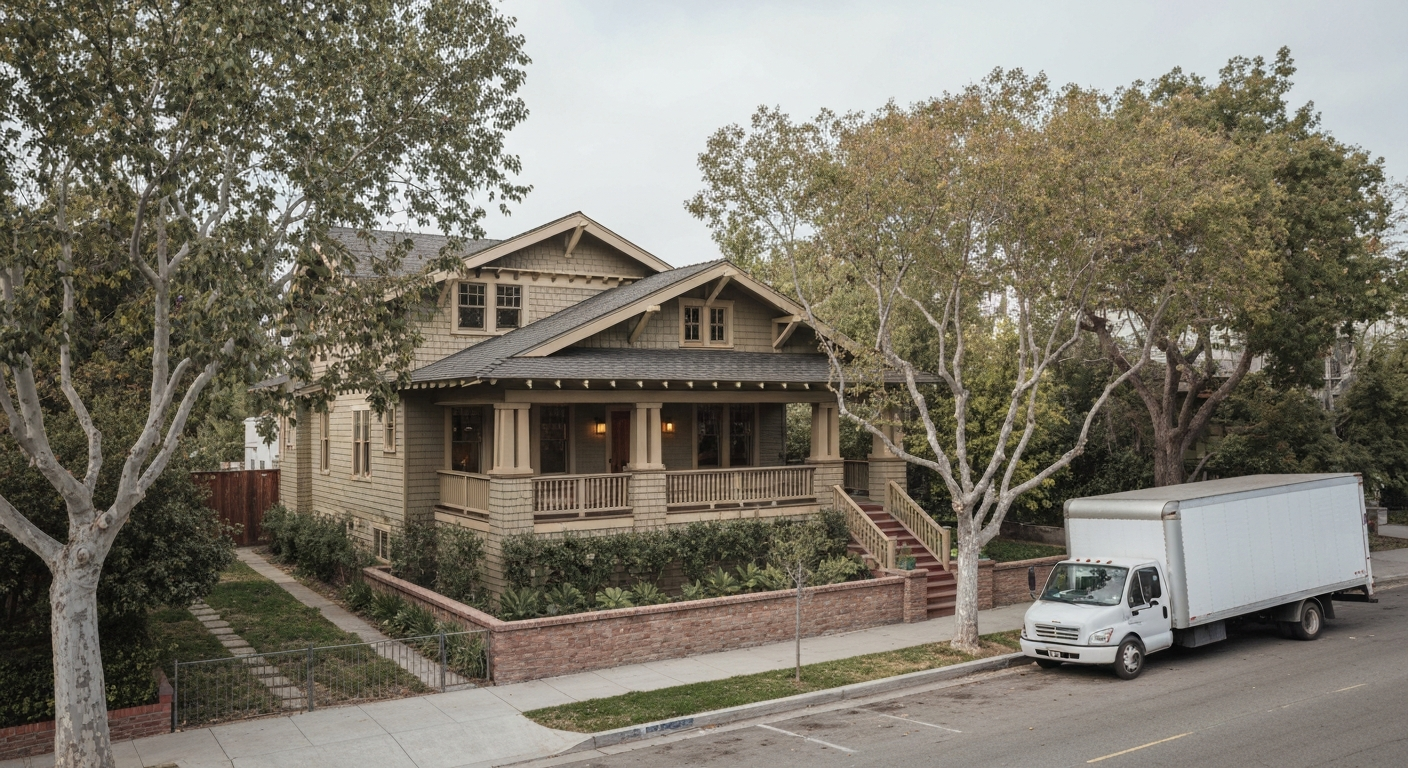
Pasadena has a mix of historic Craftsman bungalows, larger single‑family homes, and dense apartment buildings near Old Pasadena, Caltech, and Pasadena City College. Narrow streets, mature trees, and low clearances in older neighborhoods can slow down a truck and make parking a challenge.
Many Pasadena single‑family homes have long walkways or steps up from the sidewalk. This affects the time it takes movers to carry items, which impacts hourly pricing and crew size recommendations.
Glendale combines flat, walkable neighborhoods around downtown with steep hillside properties in areas like Adams Hill and the Verdugo Woodlands. Good Glendale movers know how to handle steep driveways, limited curb space, and tight streets where a full‑size moving truck may not fit.
Galleria and Americana at Brand traffic can slow moves scheduled on weekends or evenings. Coordination with loading zones and parking regulations is essential to prevent tickets or delays.
Burbank is home to major studios, production offices, and classic post‑war houses. Many residents live in smaller apartment buildings with carport parking and limited driveways, especially near Magnolia Park and the media district.
Because of studio schedules and filming, some streets get crowded without much notice. Experienced Burbank movers know alternate routes and understand when to schedule moves to avoid early‑morning crew calls and rush hours around the 134 and 5 freeways.
Local companies that regularly work in these cities already understand:
That translates into more accurate estimates, better timing, and fewer surprises on move day.
Most moves in Pasadena, Glendale and Burbank fall into a few main categories: single‑family homes, apartments, condos, and small offices. Each has its own challenges and ideal services.
Family homes tend to have more furniture, garages full of items, and outdoor pieces like patio sets, grills, and play equipment. They often require:
Homeowners moving between cities—for example from a Pasadena Craftsman to a Burbank bungalow—often benefit from a full crew that can complete the move in one day, even when there are stairs or a long carry from truck to door.
Apartment and condo moves in Glendale, Burbank and Pasadena can be more complex than their size suggests. Smaller square footage does not always mean easier, smoother moves because of:
Good movers coordinate with the building ahead of time to confirm elevator times, loading dock access, and insurance requirements. This coordination can prevent moves from running late or being shut down mid‑day.
Most reputable local movers offer a menu of services that can be combined. Here is a comparison of common local services useful for Pasadena, Glendale, and Burbank clients:
| Service Type | Best For | Key Benefits |
|---|---|---|
| Standard Local Move | Most 1–3 bedroom homes and apartments | Load, transport, unload; basic protection and placement |
| Full Packing Service | Busy families, last‑minute moves | Movers pack boxes, label rooms, bring materials |
| Partial Packing | DIY packers with fragile items | Movers pack kitchens, glass, artwork only |
| Labor‑Only | Moves within same building or POD loading | Movers load/unload; you provide truck or container |
| Specialty Item Moving | Pianos, safes, antiques | Extra equipment, padding, and expertise |
United Prime Van Lines offers dedicated services like apartment moving, house moves, and furniture disassembly and assembly to match these local needs.
Most moves within Pasadena, Glendale, and Burbank are considered local or intrastate moves, not interstate. In California, household goods movers are regulated by the California Public Utilities Commission (CPUC), and they must hold a valid permit for moves within the state. You can learn more about consumer protections from the California Public Utilities Commission.
Even “local” moves can cover a fair distance—like Glendale to Santa Monica or Burbank to Long Beach—but as long as you stay within California, the regulatory framework is intrastate, not federal interstate.
Local movers Los Angeles customers hire for these cities must plan around traffic patterns, building types, and neighborhood quirks that don’t always show up in a simple quote form.
Here are some neighborhood‑level patterns movers have to navigate:
| Area | Typical Housing | Common Moving Challenges |
|---|---|---|
| Old Pasadena | Mixed‑use buildings, lofts, apartments | Loading zones only, tight alleys, elevator reservations |
| North Pasadena | Single‑family homes, older rentals | Narrow streets, tree branches, long carries |
| Downtown Glendale | High‑rise apartments, condos | Garage height limits, COI, strict elevator times |
| Adams Hill, Glendale | Hillside single‑family homes | Steep driveways, limited truck parking |
| Magnolia Park, Burbank | Bungalows, small apartment buildings | Street parking, shared driveways, tight corners |
When you request quotes, be specific about your neighborhood, floor level, and building type. The more your movers know up front, the more accurate your estimate will be.
Morning and afternoon rush hours on the 134, 5, 2, 110 and surface streets can make a short move take significantly longer. For example:
Whenever possible, schedule local moves to start early in the morning—around 8 a.m.—so most driving and loading is finished before afternoon traffic spikes.
Southern California is known for mild weather, but heat and seasonal rain still matter for moving.
For broader climate trends, see the weather data from the National Oceanic and Atmospheric Administration (NOAA).
Local Glendale movers and Burbank movers usually charge by the hour with a minimum time requirement. Understanding what affects that hourly total helps you budget and compare estimates more accurately.
Key factors that increase or decrease your final bill include:
Here is how some of these show up in a typical local bill.
| Cost Factor | How It’s Measured | Impact on Price |
|---|---|---|
| Home or Apartment Size | Number of rooms, furniture pieces, boxes | More items = more time and/or larger crew |
| Stairs and Elevators | Floors, staircases, elevator wait times | Slows loading/unloading; may require extra mover |
| Truck Access | Distance from truck parking to unit/house | Long carries add significant time per trip |
| Packing Services | Full or partial packing, unpacking | Adds labor and materials, but can save days of your time |
| Special Items | Pianos, safes, art, glass furniture | Often have separate flat fees or additional time |
| Date and Season | End of month, weekends, summer | High‑demand days can have higher hourly rates |
Every move is unique, but here is a rough idea of what local customers in this part of Los Angeles might see. These are not quotes, just ballpark ranges to help with planning.
| Move Type | Example | Possible Cost Range* |
|---|---|---|
| Small Studio / 1 Bedroom | Pasadena to Glendale, elevator at one location | Often around 4–6 hours of labor, depending on access |
| 2 Bedroom Apartment | Glendale to Burbank, stairs at origin/destination | Tends to run 6–8+ hours; packing adds extra time |
| 3 Bedroom House | Pasadena to Burbank, garage + patio furniture | Full‑day move, sometimes two days with packing |
| Partial Move | Within same building or only large furniture | Usually minimum hours, often 3–5 hours |
*Actual pricing depends on your mover’s rates, crew size, and specific conditions. Always confirm with a written estimate.
Understanding your local move estimate is just as important as the hourly rate itself. The estimate type affects how your final bill is calculated and what happens if the move runs longer or shorter than expected.
For local moves in California, you may see:
The California Public Utilities Commission explains that intrastate movers must use specific forms and tariffs and provide written estimates; see more details at the CPUC Household Movers page.
Here is a quick comparison of hourly versus flat‑rate pricing structures you might encounter for local Los Angeles moves.
| Pricing Type | How It Works | Pros and Cons |
|---|---|---|
| Hourly Rate | Charged per hour per crew, plus travel time | Transparent, flexible; total varies with time used |
| Flat Rate | Single price based on inventory and access info | Predictable cost; may be higher if details are uncertain |
| Not‑to‑Exceed | Estimate that caps maximum cost under given conditions | Protection from overages; requires accurate info up front |
| Labor‑Only Hourly | Movers only; you provide truck/POD | Cheaper if you self‑transport; more work for you |
While binding vs non‑binding estimates are often discussed for interstate moves under federal FMCSA rules, the concepts help local customers think clearly about risk:
For local intrastate moves within California, always request a written estimate with clear language about hourly rates, minimum hours, travel fees, and any not‑to‑exceed caps.
To get the most accurate quote from local movers Los Angeles residents rely on, be thorough when you describe your move:
Many companies, including United Prime Van Lines, offer virtual or in‑home estimates for more complex moves where an online form is not enough.
Packing is usually the most time‑consuming part of a local move. You can handle everything yourself, let the movers pack, or choose a mix of both.
Here is a comparison of packing approaches that work well for Pasadena, Glendale, and Burbank families and apartment renters.
| Packing Option | What Movers Do | Best For |
|---|---|---|
| Full Packing Service | Bring materials, pack all rooms, label boxes | Busy schedules, large homes, last‑minute moves |
| Partial Packing | Pack kitchen, glass, artwork, TVs, fragile items | DIY packers who want pros for breakables |
| DIY Packing | You pack all boxes; movers handle furniture | Budget‑conscious moves with time to prepare |
| Unpacking Service | Open boxes, place items on surfaces, haul debris | Families wanting fast setup in new home |
If you prefer a hands‑off approach, professional full packing services can dramatically reduce stress and keep your move on schedule.
Using proper supplies prevents damage and speeds up loading. For a typical 2‑bedroom apartment or small house, you might need:
Professionals often use different box sizes strategically—small boxes for heavy items like books, larger boxes for lighter items like linens and pillows.
Many Glendale and Burbank apartments have tight staircases or older elevators. Smart packing can make these spaces easier for movers:
Ask your movers if they provide wardrobe boxes, TV boxes, or reusable crates, and whether those are included in the estimate or billed separately.
Storage often becomes part of local moves when closing dates don’t line up, remodels run long, or you are downsizing and need extra time to sort belongings.
In these cases, you can choose between self‑storage or professional moving and storage services like United Prime Van Lines storage.
| Storage Type | Description | When It Works Best |
|---|---|---|
| Warehouse Storage with Movers | Movers load items directly into vaults at a secure facility | Medium to long‑term storage during relocations or remodels |
| Self‑Storage Unit | You rent a unit and move items in/out yourself or with movers | Short‑term or frequent access to items |
| Portable Storage Containers | Container dropped at your home, later stored at a facility | Flexible packing schedule and DIY options |
| Climate‑Controlled Storage | Temperature/humidity managed environment | Art, antiques, instruments, sensitive documents |
Storage costs depend on the size of your inventory, the length of time you store items, and whether movers handle the transport both ways. To keep storage costs reasonable:
When you compare Pasadena, Glendale and Burbank movers, always confirm licensing and what happens if something gets damaged. Many customers focus only on price and overlook this part.
For moves within California, household goods movers must be licensed by the California Public Utilities Commission (CPUC). They must display a valid CPUC permit number (often called a “Cal‑T” number) in their materials. You can learn how to verify movers and understand your rights from the CPUC Household Movers resource.
Interstate moves (to or from another state) fall under federal FMCSA oversight and require a different registration, but for local intrastate moves in Pasadena, Glendale, and Burbank, CPUC licensing is the key checkpoint.
Customers often say “moving insurance,” but what movers typically provide is called valuation coverage. It is not the same as an insurance policy, but rather the mover’s stated liability for your belongings while they handle them.
Common options include:
| Coverage Type | Typical Cost | What It Covers |
|---|---|---|
| Released Value | Usually included at no additional charge | Minimal reimbursement per pound; not full replacement |
| Full Value Protection | Extra fee based on shipment value | Repair, replace, or cash settlement for covered items |
| Third‑Party Insurance | Policy cost set by outside provider | Additional protection depending on policy terms |
| Special Item Riders | May be added for pianos, art, antiques | Higher coverage limits for high‑value pieces |
Always read the valuation and claims sections of your moving contract. Ask your mover to explain the difference between what is automatically included and what is optional so you can decide what risk level you are comfortable with.
Stairs and elevators are a major driver of time and effort in Pasadena, Glendale and Burbank moves, especially in older walk‑up apartment buildings and hillside homes.
Local move estimates often include questions like “How many flights of stairs?” and “Is there an elevator?” because these details directly affect labor needs and timing:
If your new Glendale or Burbank apartment is on the third floor without an elevator, expect your movers to recommend a specific crew size and time estimate that accounts for all those steps.
Many modern buildings in downtown Glendale and parts of Pasadena use elevators and loading docks. They often require:
A Certificate of Insurance (COI) is a document your movers obtain from their insurance carrier listing policy limits and naming your building or HOA as an additional insured for the day of the move. Ask your building management exactly what they require so your movers can provide the correct document well before move day.
Parking is one of the biggest wild cards in local Los Angeles‑area moves. Some buildings have dedicated loading docks, while others rely on street parking that must comply with city rules. For example:
Discuss parking with your moving company in detail. They may suggest:
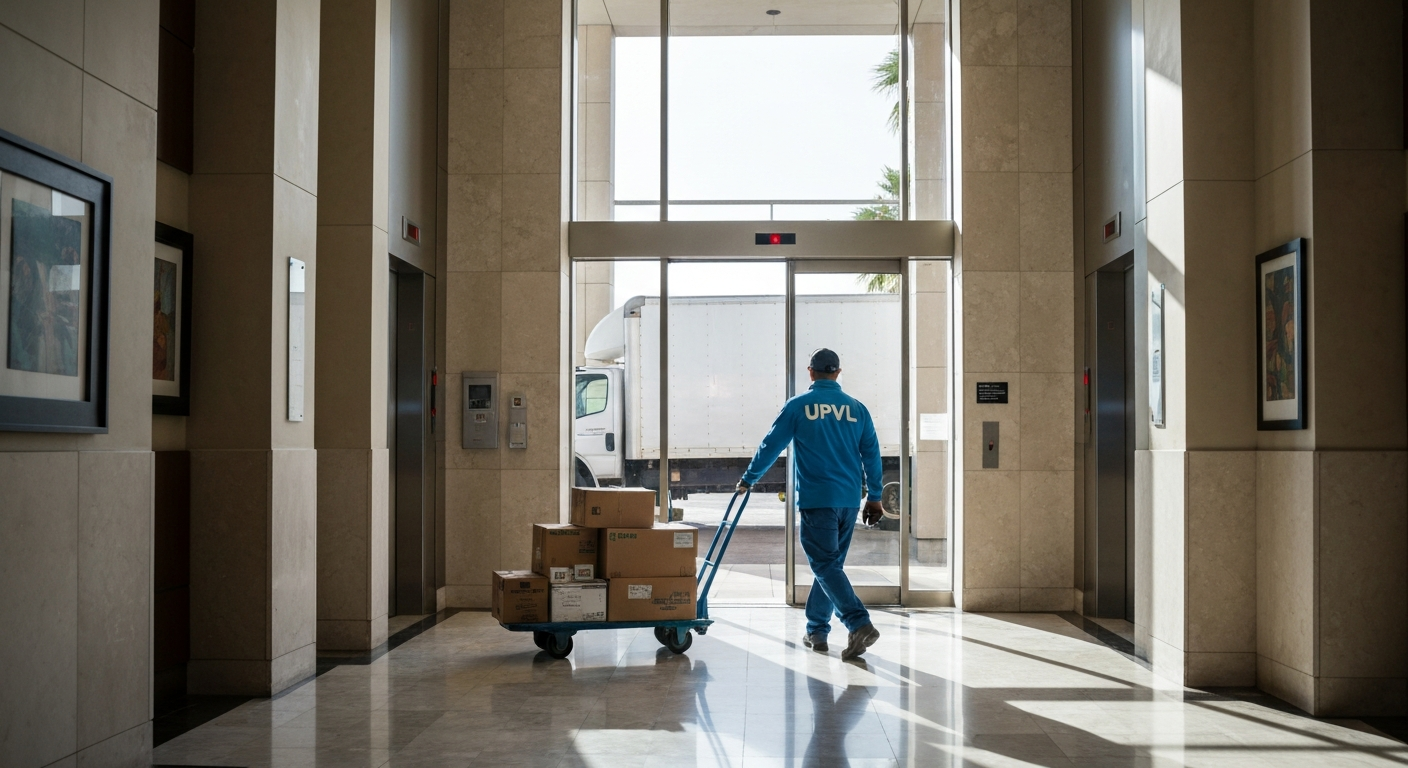
Most local moves within Pasadena, Glendale and Burbank are completed in a single day. However, larger homes, complex packing, or storage can change the timing.
A typical same‑day move timeline might look like:
Delays can arise from traffic, parking, elevator waits, or unexpected extra packing. Clear communication with your movers about priorities—such as setting up children’s rooms or essential workspaces first—helps them manage time effectively.
Some moves stretch into multiple days, for example:
If you are moving between cities or into storage, ask your movers about delivery windows and how they schedule multi‑day jobs.
A clear checklist keeps your local move organized and reduces last‑minute scrambling. Below is a structured list you can adapt to your timeline.
| Checklist Step | When | Why It Matters |
|---|---|---|
| Get Written Estimate | 4–6 weeks before | Locks in pricing details and move date |
| Reserve Elevators and Docks | 2–3 weeks before | Prevents conflicts and delays on move day |
| Confirm COI Requirements | 2 weeks before | Avoids last‑minute building issues |
| Pack Essentials Box | 1–2 days before | Ensures a comfortable first night |
| Final Home Walkthrough | Move day | Prevents leaving items behind |

For local moves in Pasadena, Glendale and Burbank, most movers provide an hourly estimate based on the size of your home, the number of movers, and access details like stairs and parking. The estimator will ask about:
You should receive a written estimate explaining hourly rates, minimum hours, travel time charges, and any additional fees (such as packing materials or specialty items). Some companies may offer not‑to‑exceed pricing for clearly defined local moves, where the total cost will not exceed a specified cap if conditions match what you described.
Yes, stairs typically increase local moving costs because they slow down the crew and require more physical effort. Moves with multiple flights—like a third‑floor Glendale walk‑up or a split‑level Pasadena house—take longer per item than ground‑floor moves. Movers usually account for this by:
Always tell your movers exactly how many flights there are at both origin and destination, including interior stairs.
It depends on the moving company and the package you choose. Some movers include basic materials like moving blankets, tape for furniture pads, and shrink wrap in their hourly rate. Boxes, packing paper, mattress bags, and specialty cartons are often billed separately, unless you purchase a full packing package.
Ask your mover to clearly list which supplies are included and which are extra. If you are comparing multiple Glendale movers or Burbank movers, this detail helps you compare estimates fairly.
Yes. Most local movers Los Angeles residents hire routinely handle both single‑family homes and apartment moves. The main difference is the logistics: apartment moves often involve elevators, strict time windows, or shared parking, while house moves may require longer walks to the truck or handling large outdoor items.
When you book, specify whether you’re in a house, apartment, or condo, and share any HOA rules or building instructions you’ve received.
Ideally, book 3–4 weeks in advance for standard local moves, especially if you plan to move at the end of the month or on a weekend. During peak summer season or around major holidays, earlier is better. Last‑minute options sometimes exist—services like last-minute moves can help—but your choices may be more limited.
Some movers will disconnect and reconnect basic appliances like washers, dryers, and refrigerators, while others may require licensed plumbers or electricians for safety and code reasons. Always ask ahead of time. If your mover does not offer this service, schedule a professional to handle appliances before and after your move.
You can often book a smaller crew for a minimum number of hours for partial or single‑item moves. This is common for customers buying or selling furniture locally, or shifting large pieces between Pasadena, Glendale, and Burbank. Be sure to describe the weight, size, and any stairs or tight corners involved.
For California moves, the contact information is:
Moving within Pasadena, Glendale, and Burbank is more than just loading a truck. Hillside roads, stair-heavy apartments, parking rules, and busy freeways all shape how long your local move takes and what it will cost.
By focusing on licensed movers, clear estimates, thoughtful packing, and realistic timing, you can turn a stressful chore into a manageable project. Whether you are upgrading from an apartment in Glendale to a family home in Burbank, or relocating within Pasadena, detailed planning and the right local moving team will make your transition smoother and safer.