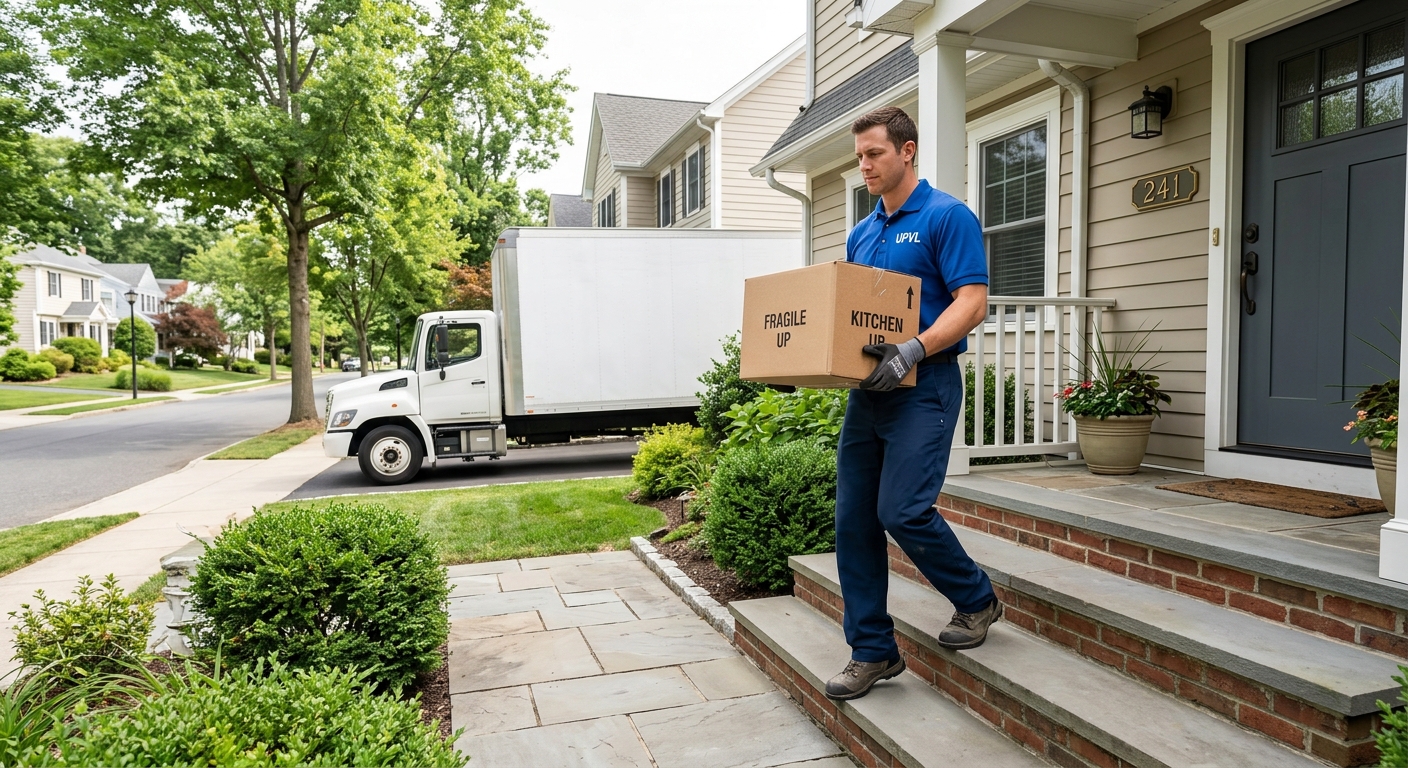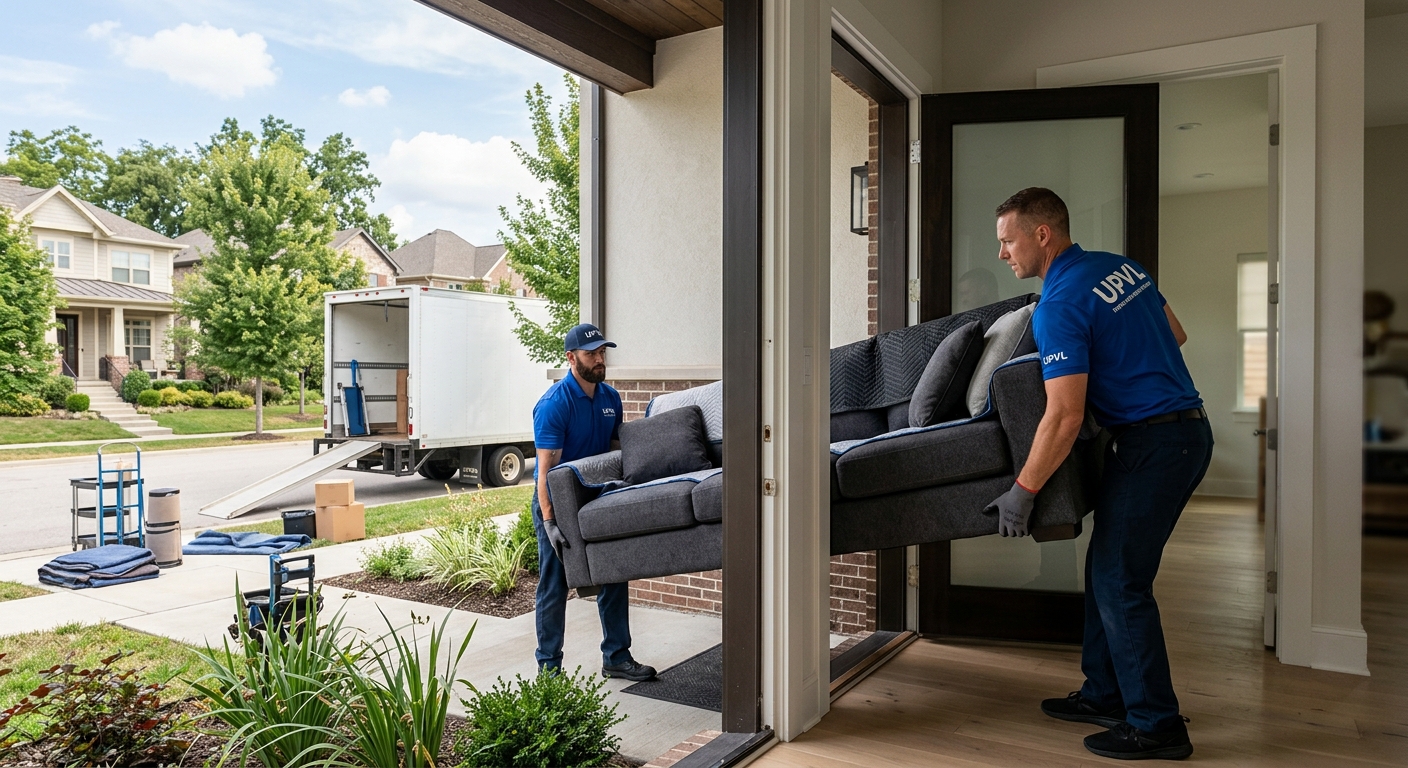
Moving a piano in Los Angeles is unlike a normal furniture move. Between steep hills, tight stairwells, recording studios, and heavy traffic, a safe piano move in LA takes planning, the right equipment, and experienced piano movers who understand both the instrument and the city.
Quick Navigation
Pianos are heavy, delicate, and expensive to repair or replace. In a city like Los Angeles, professional piano moving LA services are critical because the streets, buildings, and climate introduce risks that don’t exist in flatter, less crowded cities.
Most uprights weigh 300–600 pounds; grand pianos can exceed 1,200 pounds. The weight is concentrated and unbalanced, which is why experienced grand piano movers Los Angeles use specialized dollies, skid boards, and ramps instead of trying to “muscle” the instrument.
LA adds its own complications:
For many homeowners and studio owners, a piano is the most valuable item in the building—financially and emotionally. Working with experienced specialty movers LA, instead of general labor or DIY, dramatically lowers the risk of damage to the instrument, the property, and people.
| Reason LA Is Tricky | Risk to Your Piano | How Pros Handle It |
|---|---|---|
| Steep driveways and hills | Runaway dollies, loss of control | Use low-angle ramps, extra spotters, truck positioning |
| Narrow staircases | Dings to case, wall damage | Measure path, remove doors, use stair-climbing techniques |
| Traffic and long carries | Fatigue, rushing, accidents | Extra crew if needed, parking planning, timing moves |
| Studio soundstages | Schedule penalties, noise issues | After-hours moves, quiet equipment, clear communication |
Not every piano move is the same. The right plan for your move depends on your piano type, location, and where it’s going. Reputable piano moving LA companies start by asking specific questions about the instrument and the access conditions.
Here are the piano types Los Angeles movers see most often:
Grand pianos require partial disassembly for safe transport—at minimum, leg removal and often lyre and pedal assembly removal. This is where true grand piano movers Los Angeles stand apart from general movers: they understand how to protect the action, plate, keys, and finish while the instrument is on its side on a skid board.
Professional specialty movers LA typically offer:
If your piano is part of a larger household move, you’ll want a company that offers full-service moving with piano expertise, such as the piano and specialty item services connected to broader household moves from providers like United Prime Van Lines house moves and their dedicated piano moving team.
| Piano Type | Complexity Level | Typical Handling Approach |
|---|---|---|
| Spinet/console upright | Lower | Pad-wrap, upright dolly, minimal disassembly |
| Studio upright | Medium | Extra padding, potential door removal, stair strategy |
| Baby grand | High | Leg/lyre removal, skid board, multiple movers |
| Concert grand | Very high | Detailed planning, larger crew, clear path, possible crate |
Piano moving LA is highly location-specific. The neighborhood you’re in affects truck access, parking, and how many stairs or slopes the movers deal with. Choosing movers who know Los Angeles neighborhoods makes a major difference in safety and cost.
Here are examples of how different areas of LA influence a piano move:
| Area | Typical Challenges | Piano Moving Strategy |
|---|---|---|
| Hollywood Hills / Laurel Canyon | Steep, winding roads, limited parking, hillside homes | Smaller trucks, careful driveway access, extra time for carries |
| Downtown LA lofts | Freight elevators, loading docks, strict time windows | COI, elevator booking, dock reservations |
| Silver Lake / Echo Park | Narrow streets, older buildings, tight staircases | Pre-move measurements, stair protection, more labor |
| Westside condos (Santa Monica, Westwood) | HOA rules, quiet hours, parking permits | Advance approvals, scheduling off-peak, permits if needed |
Some LA buildings require a Certificate of Insurance (COI) to let movers use the elevator, loading dock, or reserved parking. A COI is a document from the mover’s insurance company showing liability and workers’ compensation coverage. Professional specialty movers LA are used to providing COIs and coordinating with building management.
Many Los Angeles pianos live in spaces that were never designed with piano access in mind—think hillside bungalows with spiral staircases or split-level condos with short, tight landings.
Professional piano movers will typically:
If access is impossible through stairs or halls, hoisting through a window or balcony may be discussed. This is one of the most specialized services offered by grand piano movers Los Angeles, and it comes with extra cost due to equipment and risk.
Traffic in LA can slow any move, but parking and curb access matter most for pianos. Long carries from the truck to your home increase labor time and risk. Experienced LA piano movers schedule around peak traffic when possible and scout parking in advance.
In dense areas, your movers might recommend adjusting the start time to avoid rush-hour traffic or to line up with permitted loading zones. City and district parking regulations vary and are enforced; fines or towing will slow your move. You can confirm rules with LADOT or your local city transportation office if you’re arranging your own permits.
Los Angeles isn’t just a residential city; it’s a major music and entertainment hub. A piano move for a family home in Sherman Oaks looks very different from a relocation for a recording studio in Burbank or a scoring stage in Hollywood.
In homes and apartments, the focus is usually on protecting the instrument, flooring, stairs, and walls while moving through tight spaces.
Residential LA piano moves often include:
If your piano move is part of a local household relocation, you might work with broader services like local moving or apartment moving, ensuring the same crew handles both general furniture and the piano with proper tools.
In studios and venues, timing and silence are often as important as safety. A piano might need to move between rooms, onto a stage, or into a different building, all without disrupting a tight production schedule.
Studio and venue piano moves typically require:
Grand piano movers Los Angeles who regularly work with studios understand the need to communicate with production managers, coordinators, and union reps, and to move quickly but carefully.
| Move Type | Key Concern | Typical Requirements |
|---|---|---|
| Home move (house) | Protecting property & piano | Pads, floor protection, stair planning |
| Apartment/condo | HOA and elevator rules | COI, elevator bookings, parking strategy |
| Recording studio | Schedule and silence | Precise timing, quiet equipment, COI |
| Performance venue | Stage access and safety | Stage ramps, crew coordination, possibly union guidelines |
Customers often ask: “How much does piano moving in LA cost?” The answer depends on piano type, access, distance, and whether your move is standalone or part of a larger household or studio relocation.
For a typical local piano move within the Los Angeles area, prices commonly fall into ranges like:
Because each job is unique, reputable movers prefer to quote based on real details, not flat one-size-fits-all prices.
These are the primary factors that affect your piano move cost in Los Angeles:
| Cost Factor | Why It Matters | Impact on Price |
|---|---|---|
| Piano size & weight | Heavier, larger pianos need more labor and gear | Higher size/weight = higher cost |
| Stairs and obstacles | Slow down the move, require more precision | More obstacles = more labor time |
| Travel distance | Affects fuel, time, and crew availability | Longer travel = higher transportation fee |
| Scheduling and rush jobs | Evenings/weekends or last-minute moves | Off-hours or urgent moves may carry surcharges |
To avoid surprises, ask for a written quote that clearly shows what is and isn’t included—for example, whether stair fees, hoisting, or valuation coverage are already factored in.
Professional piano moving LA companies use structured estimate types similar to other moving services, especially for long-distance or interstate moves. Understanding how estimates work helps you compare movers fairly.
For standalone local piano moves, you’ll often see a flat rate based on known details. For longer or more complex projects—like moving a piano along with a full household, or across state lines—your estimate type may follow standard household moving formats.
The FMCSA (Federal Motor Carrier Safety Administration) explains three main estimate types for interstate moves:
Even if your piano move is local, many companies still borrow these concepts to structure predictable pricing.
| Estimate Type | How Price Is Determined | Best For |
|---|---|---|
| Flat-rate local | Based on piano type, access, distance, stairs | Single-piano moves within LA |
| Hourly (with minimum) | Time-based, plus materials and travel | Uncertain access or multiple items |
| Binding estimate | Fixed price for detailed scope | Planned household or studio plus piano |
| Binding not-to-exceed | Pay lower of quote or actual | Interstate household moves including a piano |
To prepare an accurate quote, your mover will typically ask:
Many companies may ask you to send photos or short videos of staircases, doorways, and driveways. Providing this up front helps avoid surprise access charges on move day.
A core reason to hire professional grand piano movers Los Angeles is the level of protection they bring. A piano doesn’t go into a regular cardboard box; it gets its own system of padding, wrapping, and sometimes crating.
For upright pianos, professional movers typically:
Grand pianos require more intensive prep, usually including:
This is precision work. Inexperienced handling can damage the rim, pinblock, action, or soundboard, all of which are costly to repair.
To make move day smoother and safer, you can prepare your piano area:
| Protection Step | Who Handles It | Why It Matters |
|---|---|---|
| Pad-wrapping the piano | Professional movers | Prevents scratches and dings |
| Clearing pathways | Customer (before arrival) | Reduces trip hazards and delays |
| Floor protection | Movers | Protects hardwood, tile, and carpets |
| Disassembly/reassembly | Experienced piano movers | Prevents structural or action damage |
If your move also includes packing the rest of your belongings, you may want a combined service that handles both, such as full packing services coordinated with specialty piano handling.
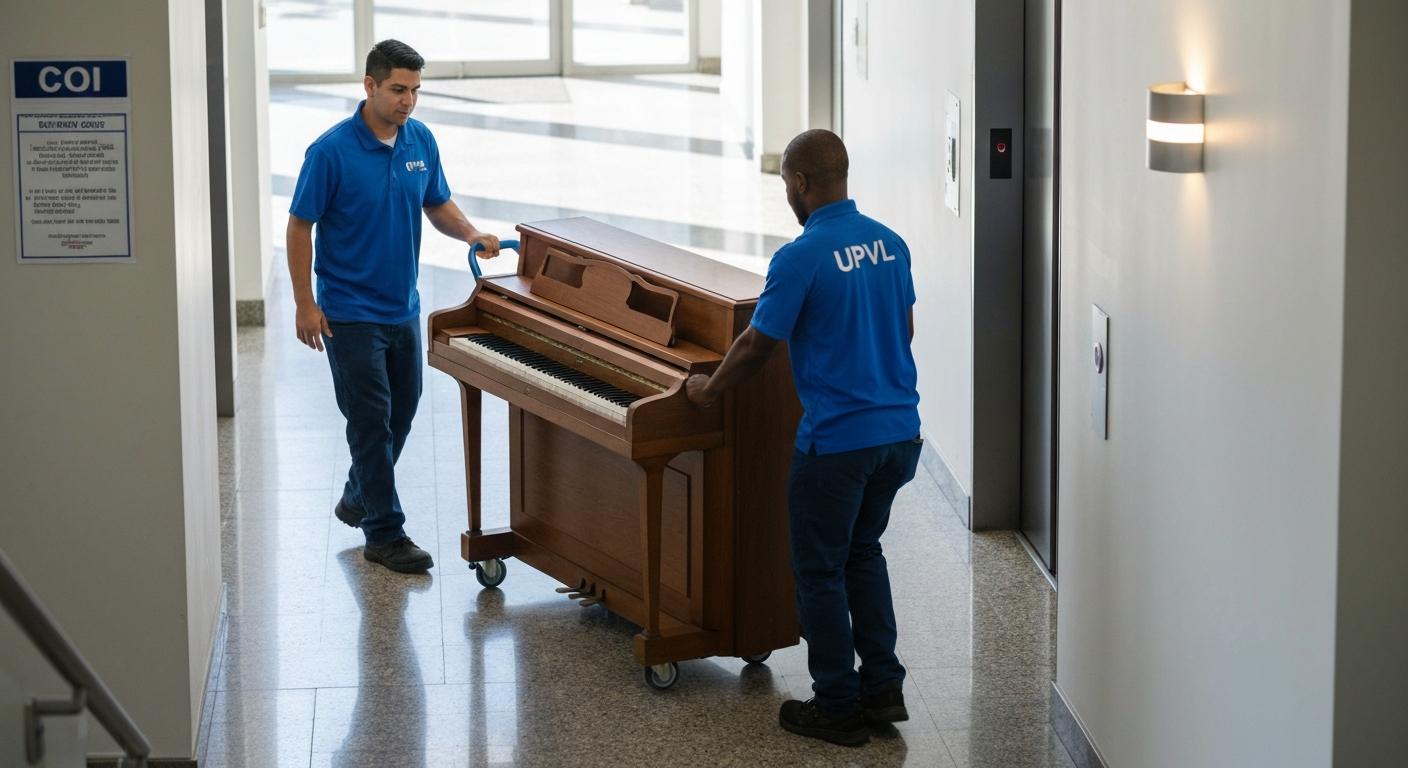
Renovating, staging a home for sale, or in between leases? Many LA residents and studios need short-term or long-term piano storage. Pianos are sensitive to temperature and humidity changes, so the right storage conditions matter.
Proper piano storage in Los Angeles normally involves:
Because LA summers can be hot and dry, and coastal areas can be more humid, consistent climate matters for keeping soundboards and action parts stable. According to the NOAA, the region routinely sees heat waves, which is why garages and non-conditioned storage can be risky for fine instruments.
If your piano will be stored as part of a broader household or studio project, using a single company for pickup, storage, and final delivery simplifies logistics. Many full-service movers offer integrated storage, such as the warehouse options tied to United Prime Van Lines storage solutions, where your piano can remain securely wrapped and racked until you’re ready.
| Storage Type | Pros | Cons |
|---|---|---|
| Full-service warehouse | Professional handling, climate controlled, secure | Access usually by appointment only |
| Self-storage (standard | Flexible access for customer | Temperature/humidity swings, more risk to piano |
| Climate-controlled self-storage | Better environment than standard storage | Still requires you to handle loading/unloading |
| On-site storage with movers | Same pros as warehouse, simplified logistics | Typically less direct access during storage |
When moving a valuable instrument, it’s important to understand how it’s financially protected. Terms like “insurance” and “valuation” can be confusing, but they directly affect how much you’d be reimbursed if something goes wrong.
For interstate moves, the FMCSA explains that movers must offer at least two types of liability coverage: Released Value and Full Value Protection. These concepts often apply, or have close equivalents, for specialty items like pianos even on local moves.
Your homeowner’s or renter’s policy may also have coverage options for moves, but they often come with deductibles and limitations. A conversation with your insurer is wise before a high-value piano move.
Many high-rises, condos, and studios in Los Angeles require a Certificate of Insurance (COI) from any moving company working on-site. This document shows that the mover carries general liability and workers’ compensation insurance at levels specified by the building.
To avoid move-day delays:
Because a quality grand piano can easily cost five figures, select coverage with that in mind. Talk with your mover about:
| Coverage Option | Typical Protection Level | Best For |
|---|---|---|
| Released Value (basic) | Low, weight-based (e.g., 60 cents per pound) | Low-value items, budget-conscious moves |
| Full Value Protection | Repair/replace up to declared value | High-value pianos and antiques |
| Homeowner’s policy | Varies by policy; may exclude moving damage | Supplemental coverage, if allowed |
| Third-party specialty insurance | Customizable, can cover high values | Very high-end or collectible instruments |
A clear checklist keeps your Los Angeles piano move organized and reduces stress. Use the steps below to prepare, choose a mover, and manage move day.
| Checklist Step | When to Do It | Who Handles It |
|---|---|---|
| Collect piano details and photos | 2–4 weeks before | Customer |
| Confirm COI and elevator scheduling | 1–2 weeks before | Customer + building + mover |
| Clear pathways | Day before | Customer |
| Final review and paperwork | Move day | Customer + crew lead |

The cost to move a piano in Los Angeles depends on the piano type, access, stairs, distance, and scheduling. Uprights with easy access are at the lower end of typical local ranges, while baby grands and full grands—especially with multiple stairs, hoisting, or tight access—are higher. The most accurate way to understand your specific cost is to get a detailed quote that accounts for your address, access photos, and piano size.
Key cost drivers include:
Discuss each of these with your mover to avoid hidden fees.
Yes, a piano can be moved on stairs safely when handled by experienced piano moving LA professionals using proper dollies, skid boards, ramps, and crew techniques. Stairs are one of the biggest risk areas for DIY moves; they are where most injuries and damage occur. When stairs are especially tight or steep, your mover may recommend hoisting or alternative routes.
When access is tight, your mover may:
Grand piano movers Los Angeles deal with tight Hollywood Hills staircases and older apartment layouts regularly, so be honest about the challenges so they can plan safely.
Valuation coverage is the mover’s liability for your items, not traditional insurance, but it functions similarly. For pianos, you’ll often choose between a basic, low-level coverage (such as Released Value at 60 cents per pound on interstate moves) and higher-value coverage like Full Value Protection. Higher coverage may come with additional cost, but it aligns better with what a quality upright or grand is actually worth.
If your piano has significant monetary or sentimental value, consider:
Talk to your mover and insurance provider in advance so you understand the coverage, exclusions, and any deductibles.
Normal, careful moving usually doesn’t damage the internal structure or soundboard, but your piano will almost always go out of tune slightly after a move. This is usually due to changes in temperature and humidity in the new space, not the moving itself. Technicians typically recommend waiting a couple of weeks after arrival before tuning so the piano can acclimate.
You don’t need to disassemble anything yourself. Instead:
Many LA condos, apartments, and studios require a Certificate of Insurance (COI) from any moving company working on-site. They may also require:
Ask your building management for their requirements and share them with your movers at least several days before the job.
Yes. Many customers combine piano moving with local or long-distance household services. Coordinating everything with one company can simplify scheduling and reduce handling. For example, a full-service mover that offers local moving, apartment moving, and dedicated piano moving can manage your entire relocation with a single coordinated crew.
For California moves, the contact information is:
Moving a piano in Los Angeles blends two specialties: caring for a precise musical instrument and navigating a complex, hilly, traffic-heavy city. The right piano moving LA team will ask smart questions about your piano, your building, and your schedule, then tailor a plan that protects both your investment and your peace of mind.
Whether you’re moving a baby grand from a Hollywood Hills home, an upright between Echo Park apartments, or a concert grand between studios, prioritize experience, clear estimates, and solid valuation coverage. With careful planning and professional help, your piano can arrive safely tuned for the next performance, lesson, or recording session in its new LA home.