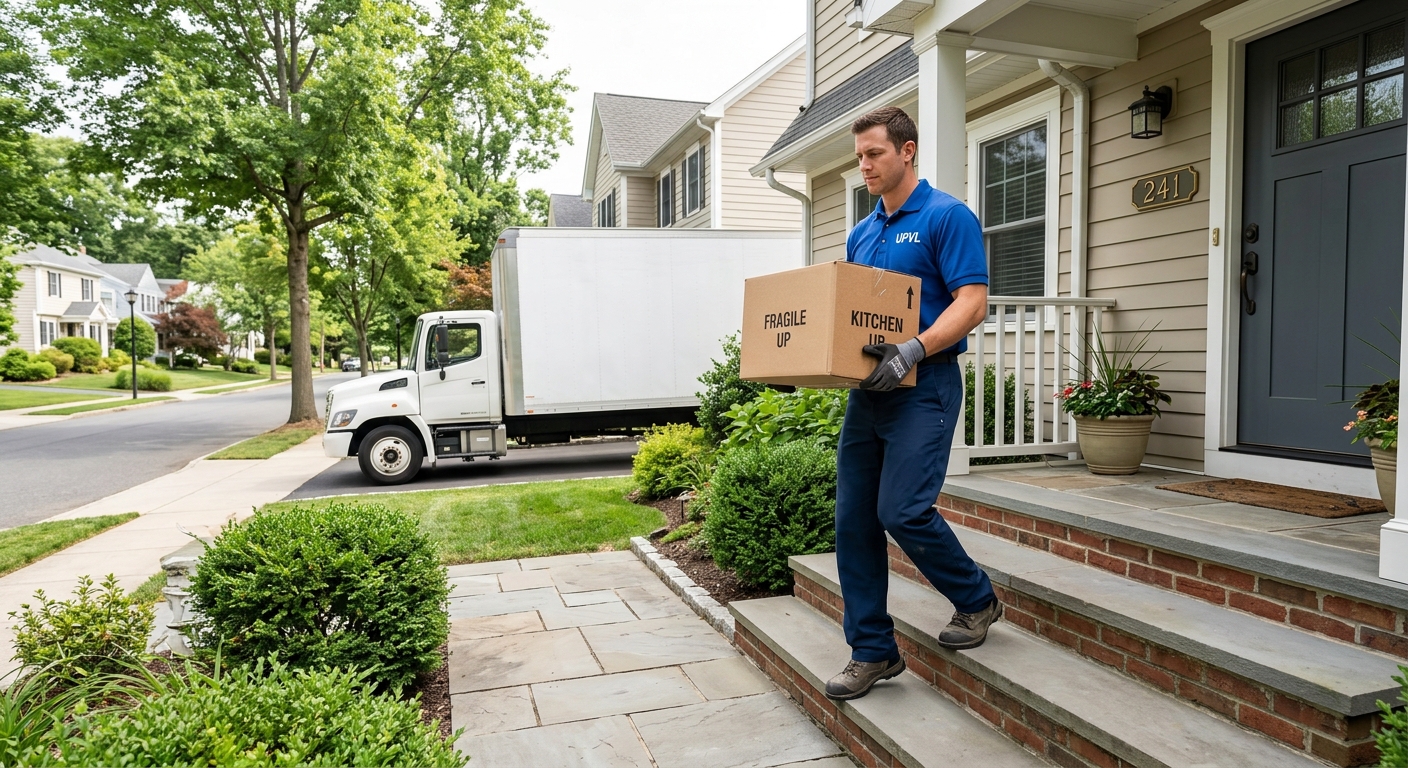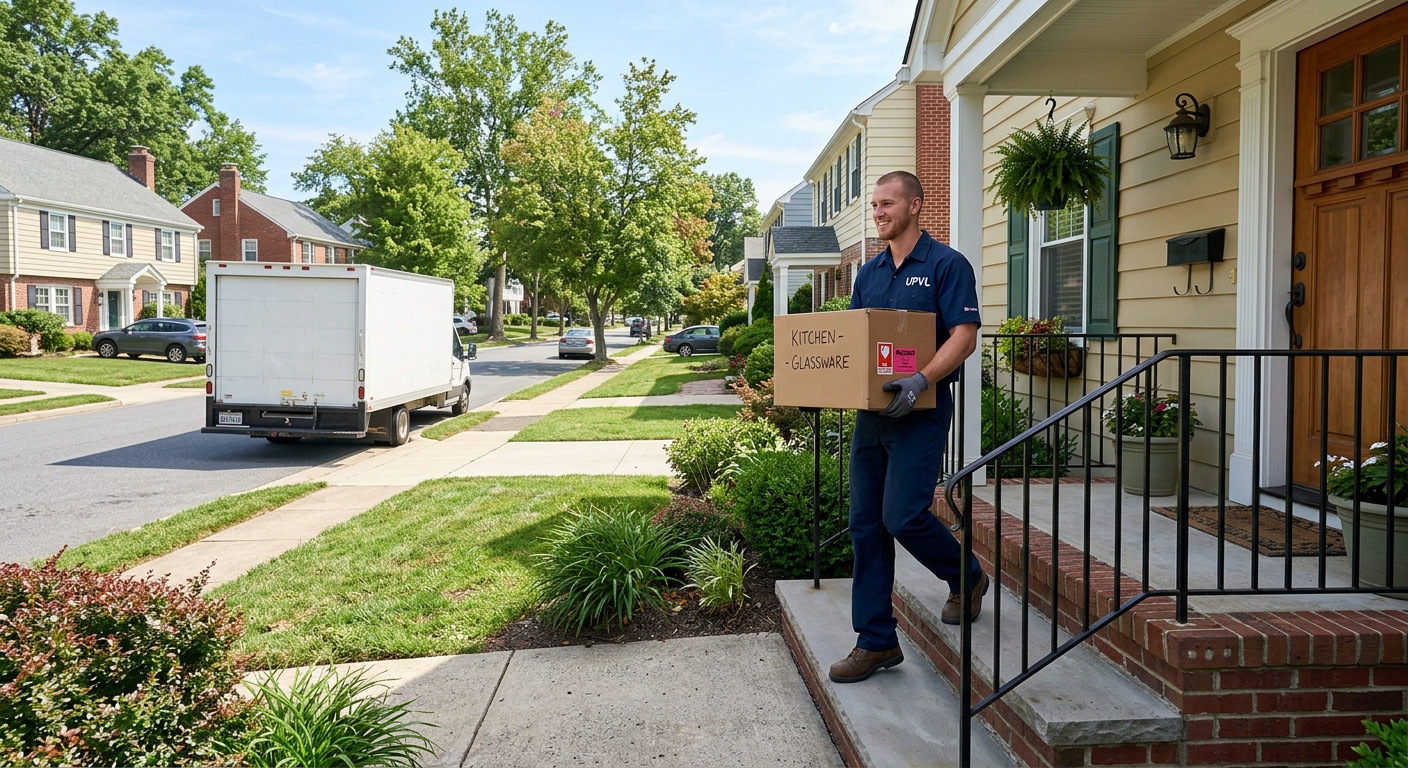
Planning a move can feel overwhelming, especially if you have not relocated in years. From choosing movers and understanding estimates to packing, storage, and insurance, there are dozens of details to manage. A clear, step-by-step moving guide makes the process easier, helps control stress, and can save you real money.
Quick Navigation
A move is more than transporting furniture from point A to point B. Your belongings represent years of hard work, memories, and day-to-day essentials. Treating moving as a serious project—with timelines, budgets, and trusted professionals—reduces risk, protects your items, and cuts down on last-minute panic.
Whether you are hiring local movers for a short hop across town or long-distance movers for a cross-country relocation, the decisions you make in the first 2–4 weeks of planning have the biggest impact on cost and stress. Early planning helps you:
Consumers who research movers, get multiple written estimates, and verify licensing for interstate moves are less likely to experience fraud or hostage-load situations. The FMCSA Protect Your Move program stresses the importance of checking U.S. DOT numbers and complaint histories before booking.
United Prime Van Lines focuses on practical planning support, not just truck and labor. From full packing to storage coordination, we help customers build a realistic, step-by-step move plan that fits their schedule and budget.
Different moves call for different service types. The right plan depends on distance, home size, building access, and how much work you want to handle yourself.
Most residential and small business customers will choose from several core service categories. Here is how they compare at a glance:
| Service Type | Best For | Key Features |
|---|---|---|
| Local moving | Moves within ~50–100 miles of origin | Usually billed hourly, same-day or next-day delivery, ideal for apartments and local houses |
| Long-distance moving | State-to-state or over ~100–150 miles | Weight/volume-based pricing, multi-day delivery window, interstate licensing required |
| Apartment / condo moving | Multi-story buildings, tight elevators, HOAs | Elevator scheduling, COI for building, parking planning, smaller trucks if needed |
| House-to-house moves | Single-family homes, larger shipments | Larger truck access, more packing options, yard and garage items included |
| Office / commercial moving | Businesses, offices, retail, light industrial | After-hours moves, IT equipment handling, workstation mapping, building COIs |
United Prime Van Lines offers each of these services through dedicated teams. You can learn more about core residential options such as local moving, long-distance moving, and apartment moving directly on our site.
Route planning affects cost, transit time, and the size of truck required. Here are common route patterns and what they usually involve:
| Route Type | Example | Typical Considerations |
|---|---|---|
| In-city local | Move within the same metro area | Traffic, parking permits, elevator reservations, usually same-day completion |
| Intrastate (same state, long distance) | City A to City B within same state | State regulations, toll roads, sometimes multi-day delivery on long routes |
| Interstate regional | Neighboring states (e.g., GA to FL) | FMCSA regulations, weigh stations, shared-load truck scenarios |
| Cross-country | East Coast to West Coast | Extended delivery windows, weather across multiple regions, possible storage-in-transit |
| Corporate relocation | Job-related interstate move | Employer policies, reimbursement limits, valuation/insurance requirements |
Specific origin and destination details matter. A 10-mile move between two suburban houses may be easier and cheaper than a 3-mile move between two high-rise apartments in a dense downtown with strict loading rules.
Many households also have items that need extra care. Services such as piano moving and art and antique moving use additional padding, custom crating, and trained crews familiar with high-value items.
Discuss any such items during your estimate so the mover can plan labor, equipment, and insurance correctly.
Local and long-distance moves might look similar on the surface—truck, crew, boxes—but they are priced, regulated, and scheduled very differently. Understanding those differences helps you budget and choose the right level of service.
Most moving companies treat a move as “local” when it stays within roughly 50–100 miles of your origin. The exact mileage threshold varies by company and by state rules.
Local moves are typically:
Because local moves are time-based, efficiency matters. Elevators, long walks, stair carries, and disorganized packing can all increase the number of hours needed.
A long-distance move generally involves more than 100–150 miles. When your move crosses state lines, it becomes an interstate move governed by the Federal Motor Carrier Safety Administration (FMCSA).
Long-distance and interstate moves usually:
Long-distance movers cannot guarantee a precise delivery hour days in advance due to weather, traffic, mechanical checks, and Department of Transportation (DOT) driving limits. Instead, you receive a delivery window. Typical windows look like this:
| Distance | Common Delivery Window | Notes |
|---|---|---|
| Up to 300 miles | 1–3 business days | Often next-day delivery, sometimes same-day for lighter loads |
| 300–800 miles | 2–7 business days | Allows for route planning, weather, and multiple stops |
| 800–1,500 miles | 4–10 business days | Cross-region routes; may involve different climates |
| 1,500+ miles | 7–14 business days | Cross-country; higher chance of weather or traffic delays |
| Peak summer season | Often longer than off-season | High demand can stretch windows; book early |
Plan to keep essentials—medications, documents, a few days of clothing, work laptops—traveling with you instead of on the truck. That way, you can function comfortably even if delivery lands on the later end of the window.
On a per-hour basis, local moves often look cheaper. But long-distance pricing covers many hidden costs: fuel across multiple states, tolls, driver lodging, and strict DOT compliance. To compare realistically, think in total cost, not hourly rates vs. per-pound quotes.
For example, a studio apartment local move might cost less than $1,000, while a 3-bedroom household moving several states away can easily range into several thousands of dollars once packing and valuation are included.
Packing usually takes far longer than people expect. It is also the biggest factor in how safely your items travel. You can pack everything yourself, let the movers pack, or choose a hybrid strategy.
Most full-service movers offer several levels of packing support:
| Packing Level | What It Includes | Best For |
|---|---|---|
| Self-packing | You pack all boxes, movers handle furniture and loading | Budget-conscious moves, smaller apartments, DIY enthusiasts |
| Partial packing | Mover packs fragile or selected rooms (kitchen, glassware) | Customers who want help with breakables but can pack clothes and decor |
| Full packing service | Mover packs all items in the home | Busy families, short-notice moves, higher-value homes |
| Unpacking services | Movers place items on surfaces and remove used boxes | Anyone wanting faster settlement into the new home |
United Prime Van Lines offers comprehensive full packing services and can combine them with fragile-only packing or specialty crating based on your inventory.
Using the right supplies reduces damage and saves time. A basic packing kit often includes:
Professional movers will bring heavy-duty blankets, straps, dollies, and floor protection to safeguard your home and furniture during loading and unloading.
Breaking packing into rooms makes it less intimidating and helps with labeling.
Hazardous materials rules are safety-driven and supported by guidelines from agencies like the Pipeline and Hazardous Materials Safety Administration. Ask your mover for a list of prohibited items well before move day.
Labeling is one of the simplest ways to keep your move organized and faster. Good labels include:
You can also maintain a simple inventory spreadsheet or use a moving app to track box numbers and high-value items. This can help with valuation/insurance claims if anything is lost or damaged.
Sometimes move-out and move-in dates do not line up. Other times, you want to declutter a home for staging or keep seasonal items off-site. In these situations, storage becomes part of your moving plan.
Movers typically offer at least one of the following storage options:
| Storage Type | How It Works | When to Use It |
|---|---|---|
| Storage-in-transit (SIT) | Goods stay in the mover’s custody between pickup and delivery | Gaps between closing dates, short-term delays, renovations |
| Warehouse storage | Items are stored in a secure warehouse for weeks or months | Longer-term storage with professional handling and inventory |
| Portable container storage | Portable unit dropped at your home, then stored at a facility | DIY-style loading/unloading; more self-service |
| Self-storage unit | You rent a storage unit and transport items yourself or with movers | Ongoing access and control; separate from moving contract |
United Prime Van Lines can coordinate storage solutions through our own network and partners. Learn more about options at our storage page.
Short-term storage (a few days to a couple of months) is typically used when:
Long-term storage (several months or more) is used when:
Ask about climate-controlled storage for items sensitive to temperature and humidity changes—such as wood furniture, musical instruments, artwork, and important documents.
Moving costs vary widely depending on distance, shipment size, and services. Understanding the main cost drivers puts you in control when comparing quotes.
Most moves are affected by the following variables:
Because every move is unique, the ranges below are only rough examples. Actual pricing is determined after a detailed inventory and access review.
| Move Type | Typical Home Size | Approximate Cost Range* |
|---|---|---|
| Local move (short distance) | Studio / 1-bedroom | May fall in the low four figures, depending on hours and crew size |
| Local move (short distance) | 2–3 bedroom | Higher four-figure ranges once labor, travel time, and materials are included |
| State-to-state regional move | 2–3 bedroom | Frequently in the mid to higher four-figure range, plus packing if selected |
| Cross-country move | 3–4 bedroom | Can extend from higher four to five figures when distance and services increase |
| Office / commercial move | Small to mid-sized office | Highly variable; depends on workstations, IT gear, and downtime planning |
*These are generalized ballparks, not formal quotes. Always request a customized written estimate tailored to your inventory and locations.
You can often trim moving expenses by:
Understanding how moving estimates work is one of the most important parts of planning a move. It is where many misunderstandings arise—especially for long-distance and interstate jobs.
The FMCSA outlines three main types of estimates for interstate moves: binding, non-binding, and binding not-to-exceed. Here is how each works:
| Estimate Type | Definition | Pros / Cons |
|---|---|---|
| Non-binding estimate | An approximation based on the mover’s assessment; final charges depend on actual weight and services | May be lower upfront, but can rise; you must be prepared for potential cost differences |
| Binding estimate | A guaranteed price for listed services and inventory, assuming no changes | Gives price certainty, but you pay that amount even if shipment weighs less |
| Binding not-to-exceed | You pay the lesser of the binding estimate or charges based on actual lower weight | Popular with consumers; protection if actual weight is lower, but may not be offered by all movers |
| Hourly local pricing | Billed per hour for crew and truck, often with minimum hours | Transparent for short moves; cost rises with traffic or poor access |
Definitions and regulations are detailed on the FMCSA’s estimate guidance page: FMCSA.
Local movers typically use either hourly or flat-rate pricing. Knowing the difference helps you pick the structure that matches your risk tolerance and home layout.
| Pricing Model | How It Works | Best For |
|---|---|---|
| Hourly | Charged for actual time spent on your move, usually with a minimum number of hours | Short-distance moves with straightforward access; flexible inventory |
| Flat-rate (local) | Quoted as a single price based on expected time and scope | Moves with known inventory and access; customers who want price predictability |
| Hybrid | Flat rate for core services, hourly for extra tasks or delays | Customers who want baseline certainty but are okay with add-ons for changes |
| Materials charges | Boxes, tape, and protective materials billed separately | All moves; transparency in supply usage |
Hourly pricing is often more flexible if you are unsure about final inventory. Flat-rate pricing works well when you and the mover agree on a detailed, stable inventory and clear access conditions.
Your written estimate should be clear and easy to follow. Look for these elements:
Do not hesitate to ask the moving consultant to walk through each line with you. A reputable company will welcome questions and explain exactly what is and is not included.
Proper licensing and the right level of protection for your belongings are non-negotiable. They are also areas where moving scams and misunderstandings are unfortunately common.
An interstate mover is a company that physically transports your belongings across state lines under its own U.S. DOT and MC numbers. A moving broker arranges for transportation with other carriers instead of operating trucks itself.
The FMCSA maintains a searchable database of movers and brokers in its SAFER Company Snapshot. You can verify whether a business is authorized for interstate transport and review any safety or complaint data.
When you hire a broker, your experience depends heavily on the actual carrier they assign. Some customers prefer to work directly with a carrier like United Prime Van Lines that handles both planning and execution.
Interstate movers are regulated at the federal level by FMCSA. Many states also regulate moves conducted entirely within their borders. For example:
Always verify that any mover you hire holds the licenses required for the state and type of move you need.
Moving companies are not traditional insurance companies. Instead, they offer “valuation coverage” that sets the level of liability for your items during transport.
The two most common options are:
A simplified comparison looks like this:
| Valuation Type | Typical Cost | Protection Level |
|---|---|---|
| Released Value Protection | Included or very low additional cost | Low: $0.60 per pound per item for interstate moves |
| Full Value Protection (basic) | Added cost based on shipment value | Higher: repair, replace, or cash settlement for current value |
| FVP with lower deductible | Higher premium | Reduces what you pay out-of-pocket on a claim |
| Third-party insurance | Separate policy from an insurance provider | May cover certain exclusions; check policy terms carefully |
Details and minimum standards are outlined by FMCSA: FMCSA valuation guidance.
A Certificate of Insurance (COI) is a document that proves the moving company carries required liability and workers’ compensation coverage. Many apartment buildings, condos, and office towers require a COI before they allow movers to use elevators or loading docks.
Common COI elements include:
Ask your mover to coordinate COI requirements with your building management at least a week before move day. This avoids delays and surprise access issues.
Timing is everything in a move. Proper scheduling keeps you from paying extra for waiting time, rush services, or emergency storage.
When possible, avoid the very last and first days of the month, as well as holiday weekends. Demand is highest then, which can limit available crews and increase pricing.
For families with children in school, planning around school calendars can reduce disruption. Many families target early summer or school breaks. The U.S. Census Bureau notes that mobility rates tend to peak between ages 20 and 34, often tied to school and early-career changes, which helps explain summer moving demand.
Even for local moves, movers often provide an arrival “window” (e.g., 8–10 a.m.) rather than an exact minute. Traffic, earlier jobs that ran long, and dispatch routing all play a role.
Plan your personal schedule so that at least one adult is available for the full arrival window. If your building has specific move-in hours, make sure your mover knows them, and aim for an early start so there is buffer time.
Sometimes you do not have the luxury of long planning: sudden job changes, family situations, or lease issues can force a move on short notice. In those cases, prioritize:
United Prime Van Lines offers help for urgent relocations through services like last-minute moves, focusing on fast coordination and clear expectations.

A detailed checklist keeps your move on track. Use the timeline below as a reference, then adjust based on your exact dates.
If you are moving from a house, services such as house moves with United Prime Van Lines can also include furniture disassembly and reassembly via furniture disassembly & assembly, making both ends of your move smoother.

For local moves, aim to book 3–4 weeks in advance, especially if you want popular weekend or month-end dates. For long-distance and interstate moves, 4–8 weeks’ notice is ideal so there is time to complete surveys, confirm routes, and discuss valuation coverage. Short-notice moves are often possible, but flexibility on date and services helps.
A binding estimate guarantees a set price for the services and inventory listed in your contract, assuming nothing changes. A non-binding estimate is an educated guess—your final charges are based on actual weight and services delivered. For interstate moves, FMCSA rules require that your estimate clearly state which type it is.
They often do, but it depends on the company and what is included in your estimate. Common extra charges include stair carries, elevator delays, long walks from the truck to your door, or the need for a smaller “shuttle” truck if the main truck cannot access your building. Make sure your mover inspects or asks detailed questions about access so these charges are known up front.
Yes. Full packing services cover nearly all household items, from kitchenware and books to artwork and clothing. Exceptions usually include hazardous materials, perishable food, and items that must travel with you such as cash, firearms (depending on policy), and important documents. Talk with your mover about what they can and cannot pack.
Always keep essentials with you: medications, passports and IDs, financial documents, small valuables, personal electronics, chargers, a few days of clothing, and important kids’ or pets’ supplies. For long-distance moves, include basic kitchen items and linens to be comfortable before the truck arrives.
For interstate moves, check the company’s U.S. DOT number and operating authority through the FMCSA’s Company Snapshot. Look for a physical address, clear branding, and written estimates. Read online reviews, ask for references, and be cautious of unusually low bids or large up-front cash demands.
Full Value Protection (FVP) is a higher level of valuation coverage that makes the mover responsible—subject to your contract—for repairing, replacing, or compensating you for the current value of damaged or lost items. If you have many higher-value belongings or are moving long distance, FVP is often worth serious consideration compared to basic Released Value Protection.
Yes. Many full-service movers offer disassembly and reassembly for beds, tables, and certain modular furniture. United Prime Van Lines provides this through our dedicated furniture disassembly & assembly service. Let your consultant know what you need so time and tools are planned.
Yes. Movers typically cannot transport hazardous materials (paint, chemicals, propane, gasoline), perishable foods, some plants (especially across state lines due to agricultural regulations), and certain high-risk items such as cash or some firearms. Ask your mover for a written list of prohibited items.
This is where storage-in-transit or warehouse storage can help. Your belongings are loaded, then kept in the mover’s custody until your new place is ready. Tell your mover as soon as you know about any delays so they can adjust routing and storage arrangements and explain any additional costs.
Yes. United Prime Van Lines provides local moving for nearby relocations and long-distance services for state-to-state and cross-country moves. We also offer specialized services such as apartment moves, house moves, office and commercial relocations, full packing, storage coordination, piano handling, and more.
A successful move comes down to clear information, realistic expectations, and a moving partner you trust. When you understand service types, estimates, valuation, and timing, you can compare quotes confidently and pick the right mix of DIY and professional help.
United Prime Van Lines is committed to straightforward guidance, transparent pricing, and careful handling of your belongings—whether you are moving a studio across town or a full house across the country. Use this guide as a roadmap, ask plenty of questions, and treat your move as a project you can absolutely control with the right plan and support.