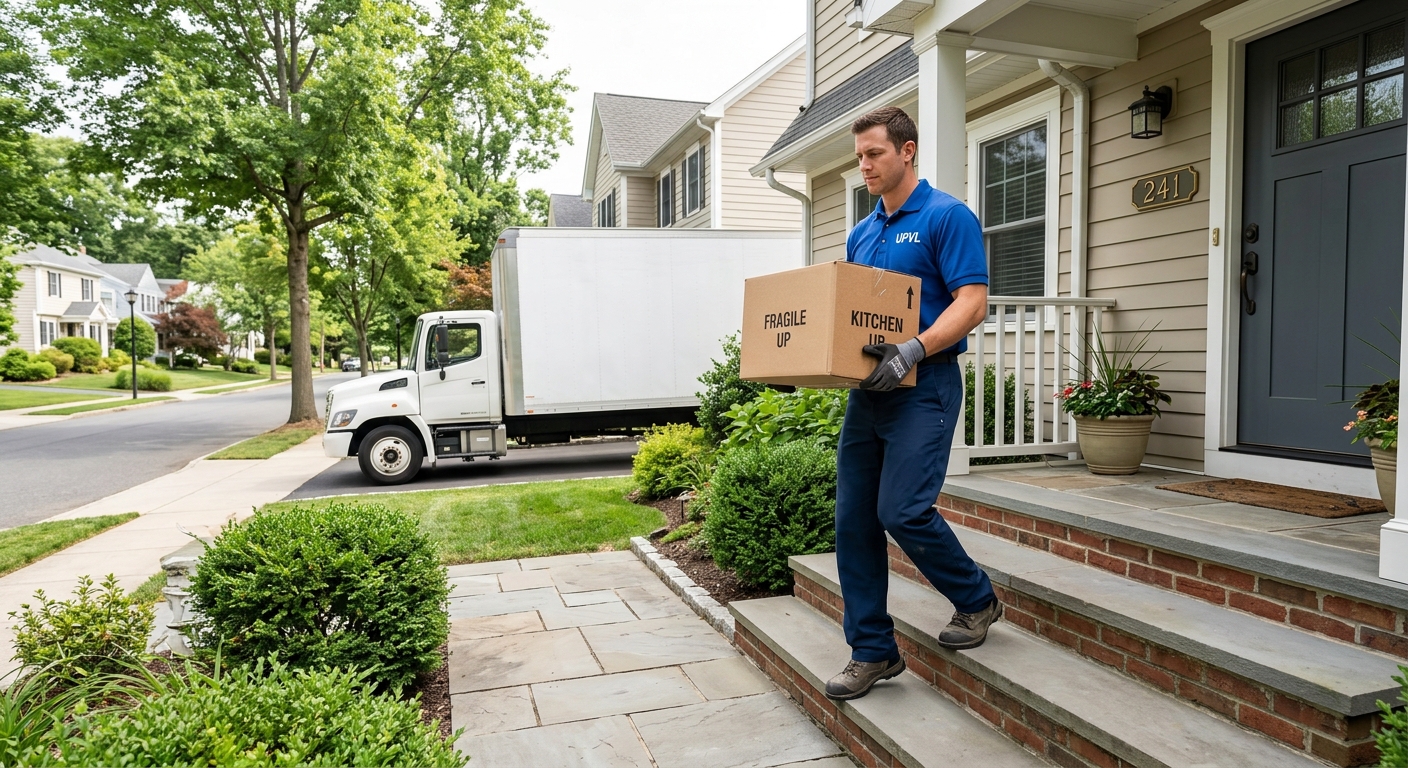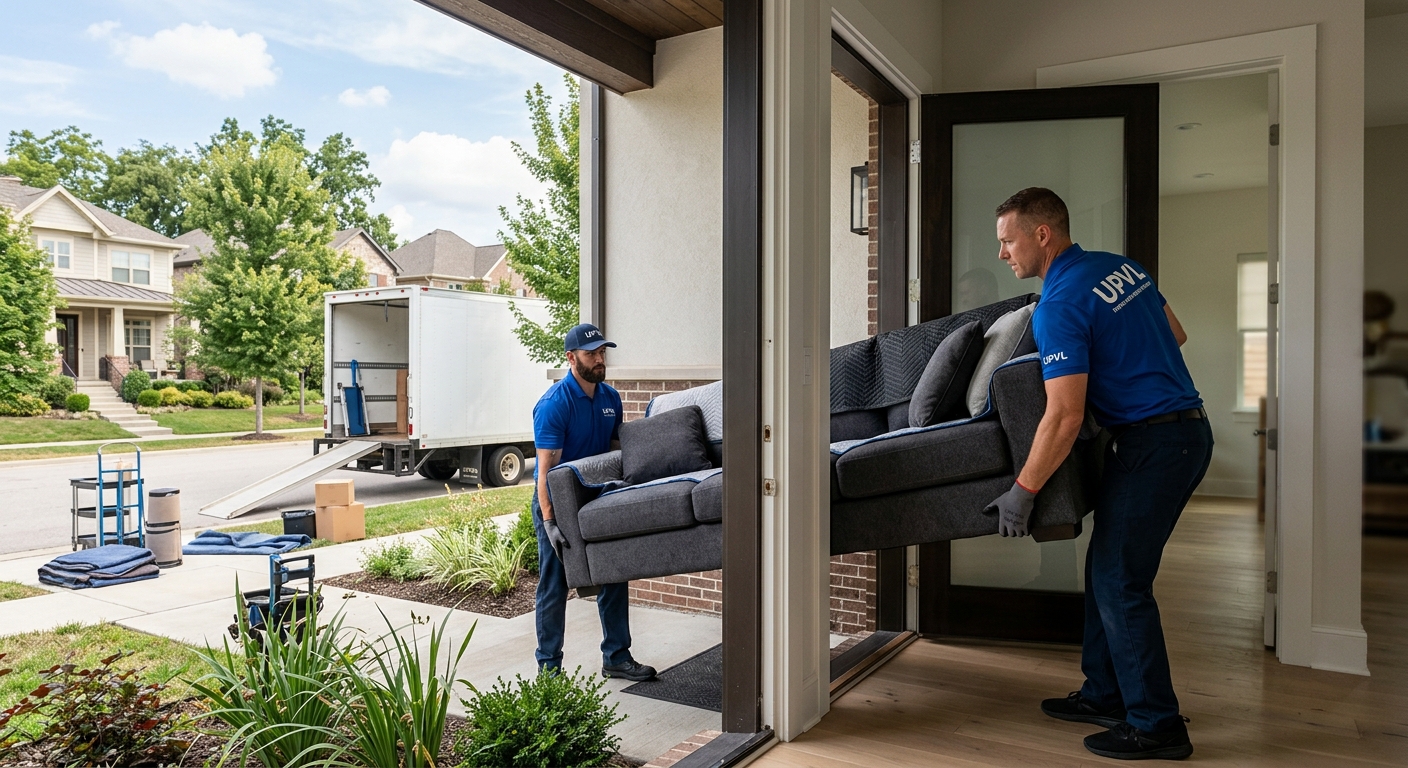
Moving along the Westside coast should feel exciting, not overwhelming. Whether you are changing apartments in Santa Monica, upgrading in Venice, or downsizing to a condo in Marina del Rey, the right local movers make a huge difference in stress, timing, and cost.
Quick Navigation
Moves in Santa Monica, Venice, and Marina del Rey look simple on a map, but the coastal environment adds layers of complexity. Compared to inland neighborhoods, Venice movers and other Westside professionals deal with:
Choosing movers who regularly work the Santa Monica–Venice–Marina del Rey coastal triangle means fewer surprises: they know which streets allow trucks, when to avoid Ocean Park congestion, and how to secure COIs for high-rise buildings in Marina del Rey.
Local companies such as United Prime Van Lines in Los Angeles are familiar with Westside condo managers, building loading docks, and realistic timeframes. That experience translates into more accurate estimates, less elevator drama, and smoother move days.
| Coastal Challenge | Impact on Your Move | How Good Movers Handle It |
|---|---|---|
| Tight parking near the beach | Longer carry distances; potential tickets | Scout parking beforehand, request loading zones or permits, bring dollies |
| Older Venice bungalows & duplexes | Narrow doors, low ceilings, tight turns | Disassemble furniture, use furniture blankets, protect doorways and railings |
| Luxury high-rises in Marina del Rey | COI, security check-in, elevator reservations | Provide COI, coordinate with management, schedule within approved window |
| Traffic on Lincoln Blvd and 405 | Delays, higher bill on hourly jobs | Start early, plan routes, factor traffic into estimate and schedule |
Most Santa Monica, Venice, and Marina del Rey movers serve a tight Westside cluster that also includes Culver City, Playa del Rey, Playa Vista, and sometimes Beverly Hills and Westwood. Understanding common route patterns helps you estimate timing and decide whether rush-hour traffic will affect your bill.
Local Venice movers and Marina del Rey movers usually handle moves within about a 30–40 mile radius, including:
Because distances are short but streets are narrow, these moves are more about logistics than mileage.
Here are sample routes and realistic timeframes (loading + driving + unloading) for a typical 1–2 bedroom apartment move with decent elevator access and organized packing:
| Route | Approx. Drive Time (No Heavy Traffic) | Typical Total Move Time* |
|---|---|---|
| Venice to Marina del Rey | 10–20 minutes | 4–6 hours |
| Santa Monica to Venice | 10–25 minutes | 4–7 hours |
| Marina del Rey to Culver City | 15–30 minutes | 5–7 hours |
| Santa Monica to Culver City | 20–35 minutes | 5–8 hours |
*Total time changes based on stairs, elevator waits, distance from truck to door, and how packed your home is.
On the Westside, it is common to have multi-stop moves, such as:
When you describe your move to the company, be very clear about every stop. Multiple stops add extra driving, parking resets, and elevator coordination. A professional coordinator will build those into your estimate and move plan, so you are not surprised by the final bill.
Anything outside roughly 100 miles often gets priced differently, even if you are starting in Venice. Moves from Santa Monica or Marina del Rey to San Diego, Palm Springs, or Northern California are usually treated as intrastate long-distance moves. In California, these are still regulated by the state (not federal) but may shift from hourly pricing to weight or flat-rate. The California Bureau of Household Goods and Services (BHGS) explains your rights for in-state moves.
Even if you start with Venice movers, your job might be billed as local or long-distance depending on distance and sometimes on crossing state lines.
In practical terms, local Westside moves usually mean:
Examples of typical local coverage from Venice or Marina del Rey include moves to Santa Monica, Culver City, Playa Vista, West Hollywood, Downtown LA, and most of the LA metro area.
A move is typically treated as long-distance when:
In those cases, pricing often shifts to weight or a guaranteed flat price. For interstate moves, companies must have a U.S. DOT number and follow FMCSA regulations.
For longer routes starting in Santa Monica, Venice, or Marina del Rey, movers usually provide a delivery window instead of an exact time. For example:
| Route Example | Estimated Transit Time | Common Delivery Window |
|---|---|---|
| Venice to San Diego | 1 day | Same day or 1–2 days |
| Marina del Rey to San Francisco Bay Area | 1–2 days | 2–5 days |
| Santa Monica to Phoenix | 1–2 days | 2–6 days |
| Venice to Portland/Seattle | 3–5 days | 4–10 days |
Ask for the earliest and latest possible delivery dates in writing, and confirm whether yours is a dedicated truck or a shared load. Shared loads cost less but usually mean a wider delivery window.
If you might need temporary storage on either end, consider a mover with integrated storage, such as the options available through United Prime Van Lines storage services.
Parking and building access can make or break a move in Santa Monica, Venice, and Marina del Rey. A well-planned parking and permit strategy saves money and prevents last-minute chaos.
In many Westside coastal areas, you may need some combination of:
Rules vary by city. For example, Santa Monica often requires temporary “no parking” or encroachment permits for large trucks on busy streets; check with the City of Santa Monica before move day. Venice and Marina del Rey are under Los Angeles and Los Angeles County jurisdictions; parking regulations may be enforced by LADOT.
Venice is full of narrow alleys and one-way segments. Many Venice movers will recommend:
If your unit is only reachable via an alley, text or email photos of the alley to your moving company so they can judge if a 26-foot truck or a smaller vehicle is needed.
Many Marina del Rey condos and high-rises require:
A COI is an official document issued by the mover’s insurance company. It shows coverage limits and lists the building as an additional insured or certificate holder. Always confirm COI requirements at least a week ahead and forward the building’s sample wording to your movers so they can request it from their insurer.
Older Venice bungalows and Santa Monica garden-style apartments often have:
Professional movers may recommend disassembly for larger pieces. A specialized service like United Prime Van Lines’ furniture disassembly and assembly can save walls, railings, and your furniture.
| Access Situation | Risk If Unplanned | Best Practice |
|---|---|---|
| No reserved parking | Truck parks far away, higher labor time | Arrange street permit or reserve building loading area |
| No COI for Marina del Rey condo | Building may cancel your move or deny access | Request COI from movers 5–7 days in advance |
| Narrow Venice stairwell | Wall damage, stuck furniture, delays | Measure large pieces; plan disassembly ahead of time |
| Busy elevator in Santa Monica high-rise | Long waits, hourly cost increases | Reserve service elevator and move during allowed hours |
Santa Monica, Venice, and Marina del Rey attract creatives and collectors—so delicate artwork, surfboards, instruments, and specialty furniture are common. Coastal humidity, sand, and salt air make packing quality even more important.
Self-packing saves money but requires time, materials, and good technique. Professional packing, especially for fragile and high-value items, cuts risk and preserves insurance coverage. Many Westside customers use a hybrid model: self-pack clothes and books, but pay professionals for the kitchen, art, TVs, and mirrors.
Companies that provide full or partial packing, such as United Prime Van Lines’ full packing services, can handle:
Coastal conditions near Santa Monica Bay can increase moisture exposure. Consider these tips:
Living near the beach usually means extra gear:
| Item Type | Risk Factors | Recommended Protection |
|---|---|---|
| Framed art with glass | Glass shatter, frame damage, moisture | Corner protectors, bubble wrap, picture cartons, keep upright |
| Unframed canvas | Punctures, abrasion, warping | Glassine wrap, cardboard sheets, firm outer carton |
| Surfboards | Dings, cracks, pressure dents | Padded bag, extra foam at nose/tail, upright or on side with support |
| Guitars/violins | Neck stress, temperature changes | Hard case with internal padding, short truck exposure |
The kitchen is usually the slowest room to pack. To avoid broken dishes:
If you are hiring professional packers, ask whether glassware and dishes are included in the base rate or billed separately by box or hour.
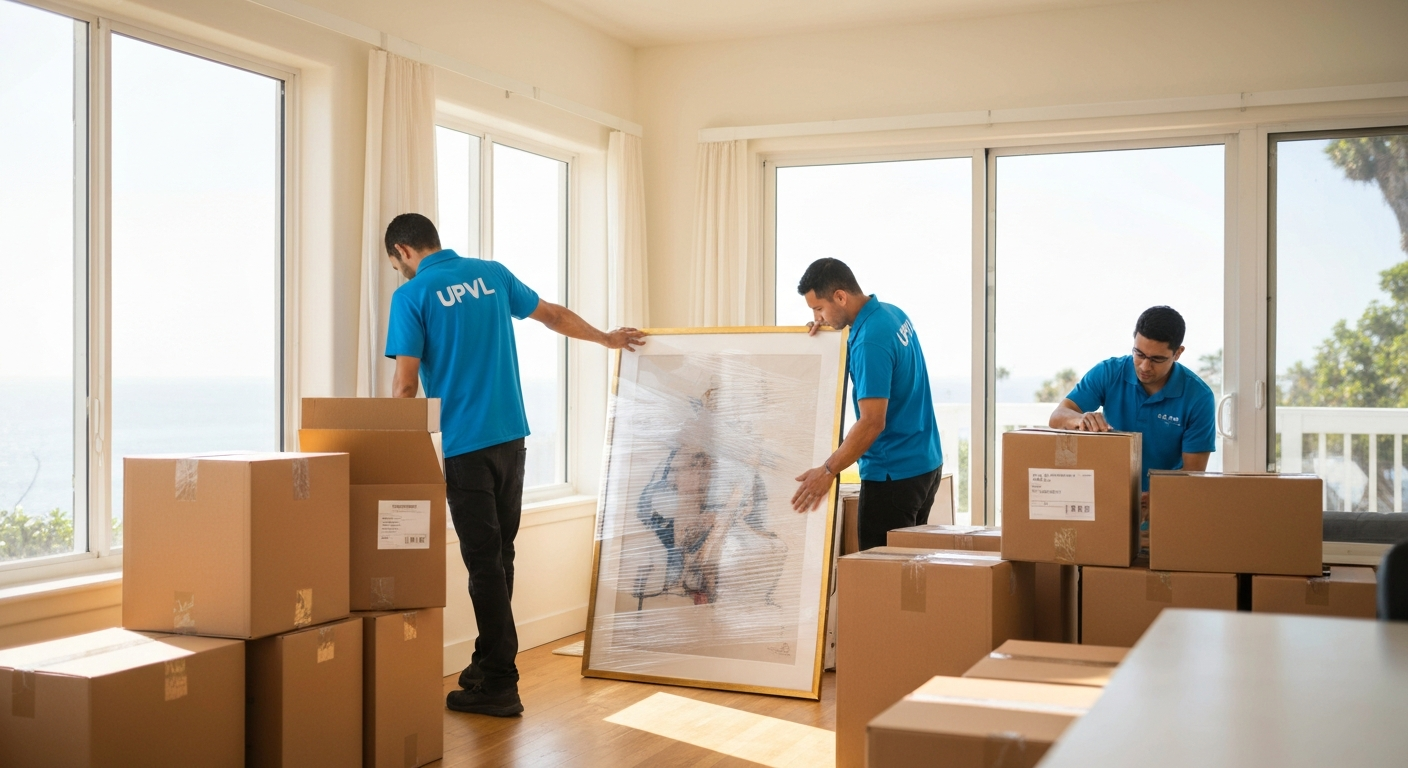
Westside residents often need storage during remodels, extended travel, or while waiting for a new lease to start. Because space is limited and rents are high, storage can be a valuable part of your moving plan.
You may want storage if:
Moving companies and self-storage facilities offer different models:
| Storage Type | Pros | Cons |
|---|---|---|
| Warehouse vault (with movers) | Less handling, secure, inventory list, often climate-stable | Limited access; must schedule with mover |
| Self-storage unit | Access anytime during facility hours; flexible sizes | You handle loading/unloading, more handling risk |
| Portable storage container | Dropped at your home, then stored or moved | Street/driveway space issues, sometimes higher long-term cost |
| Climate-controlled art storage | Ideal for high-value art and antiques | Premium pricing, not always nearby |
A mover with integrated storage, like the options through United Prime Van Lines, can load your items once, store them in vaults, and deliver to your new place later. This means fewer handlings and less risk of damage, especially for fragile and art pieces.
When you choose where to store, consider:
Most Santa Monica, Venice, and Marina del Rey movers price local moves by the hour. Your final bill depends on crew size, estimated hours, materials, and any additional services such as packing or storage.
While every company is different and prices can change, you will usually see:
Because regulations and pricing structures in California are overseen by BHGS, reputable movers will provide a written estimate and published rates, sometimes on a document called a Moving Services Agreement or a "Important Information for Persons Moving Household Goods" brochure, as required by BHGS.
| Home Size (Local Move) | Typical Crew Size | Approx. Labor Time (Excluding Packing) |
|---|---|---|
| Studio / small 1-bedroom | 2 movers | 3–5 hours |
| Standard 1-bedroom | 2–3 movers | 4–6 hours |
| 2-bedroom apartment/condo | 3 movers | 5–8 hours |
| 3-bedroom house or large condo | 3–4 movers | 7–10+ hours, sometimes 2 days |
Stairs, long carries from the truck to your door, elevator waits, and tight parking can push you toward the higher end of these ranges. Venice movers dealing with alleys and narrow stairwells may need more time than movers in wide-access suburbs.
On top of the base hourly rate, you may see:
Ask for a clear rate sheet ahead of time. A reputable company will be transparent and explain when each fee applies.
To keep your bill under control in Santa Monica, Venice, or Marina del Rey:
Understanding how estimates work will help you compare Marina del Rey movers, Venice movers, and Culver City movers fairly—and avoid surprises.
In California, movers often use several estimate types. For local, hourly jobs, estimates are usually non-binding time estimates based on the mover’s experience. For long-distance and larger jobs, some movers offer binding or not-to-exceed estimates.
Key terms to know:
| Estimate Type | How Price Is Set | Best For |
|---|---|---|
| Non-binding (hourly) | Actual time & materials; estimate is a guideline | Short local moves with flexible budgets |
| Binding flat-rate | Fixed price based on inventory & access details | Complex moves where you want cost certainty |
| Not-to-exceed | Capped maximum; you pay actual or cap, whichever is lower | Longer or uncertain jobs where you want protection |
| Weight-based binding (long-distance) | Guaranteed price for estimated weight & distance | Interstate or large intrastate moves |
For interstate moves, FMCSA explains the differences between binding and non-binding estimates in detail. Source: FMCSA.
To improve estimate accuracy:
For larger homes or complex coastal situations (tight alleys, tricky elevators), request a virtual or in-home survey so the estimator can see access conditions firsthand.
Coastal areas see a lot of moving activity, which unfortunately attracts unlicensed operators. Before hiring Venice movers or Marina del Rey movers, verify that they are properly licensed and insured.
For moves within California (including Santa Monica, Venice, Marina del Rey, and Culver City):
For interstate moves, companies must also have a U.S. DOT number and, for certain operations, an MC number through the FMCSA.
| Item to Verify | Where to Check | Why It Matters |
|---|---|---|
| Cal-T number (for CA moves) | BHGS license search | Confirms state authorization to operate |
| U.S. DOT number (for interstate) | FMCSA Safety and Fitness search | Shows federal registration and safety info |
| Liability insurance | Reflected on COI and contracts | Covers property damage or injuries |
| Workers’ comp | Shown on COI | Protects you if a worker is injured on your property |
Most moving contracts include valuation coverage, not traditional insurance. Valuation is the mover’s limited liability for lost or damaged items.
Common options include:
For intrastate California moves, BHGS sets minimum liability standards, but coverage amounts may differ from interstate rules. Always ask your mover to explain their valuation options in writing.
As mentioned earlier, many Westside condos require a COI. To make that process smooth:
Using a licensed, insured company like United Prime Van Lines Los Angeles reduces the risk of last-minute COI problems and building access issues.
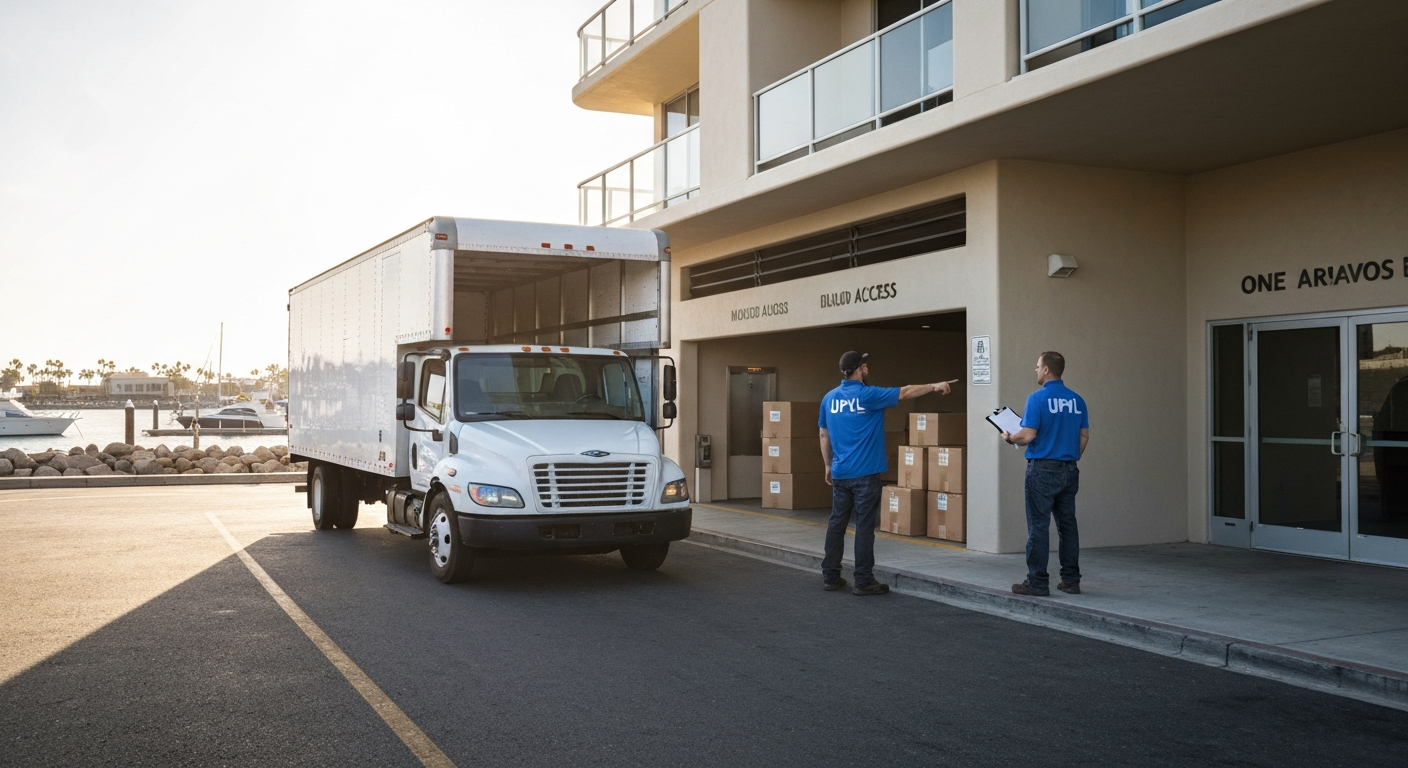
Use this checklist to organize your move in Santa Monica, Venice, Marina del Rey, or nearby Culver City.
| Task | Recommended Timing | Notes for Coastal Moves |
|---|---|---|
| Book movers | 4–6 weeks before | Summer & weekends fill fast near the beach |
| Request COI | 1–2 weeks before | Essential for Marina del Rey and many Santa Monica condos |
| Arrange parking/permits | 1–2 weeks before | Critical for Venice alleys and busy Santa Monica streets |
| Finish self-packing | 1–3 days before | Label boxes clearly to speed unloading |
Permit needs depend on your exact street and city. In Santa Monica, you may need a temporary “no parking” or encroachment permit to reserve curb space for a moving truck on busy or restricted streets. Venice is under the City of Los Angeles, where parking regulations are enforced by LADOT. The safest approach is to call your city’s parking or transportation department, describe the truck size and location, and ask if a temporary parking or street occupancy permit is required. Your mover may also be able to advise based on past experience on your block.
Experienced Venice movers usually:
Be honest about any driveway limitations, low-hanging trees, or narrow alleys so they can plan accordingly.
Hourly rates vary by company, season, and crew size. Many reputable local movers quote an hourly rate for a 2- or 3-person crew with a truck, plus a minimum number of hours and a travel charge. Because rates change with fuel prices and demand, it is best to request a current written quote. When comparing Venice movers, focus on what is included in the rate (truck, equipment, basic protection) and any additional fees (packing, stairs, long carry, fuel).
For small local moves with predictable conditions, hourly pricing is often fine, especially if you are well-prepared and parking is easy. For complex jobs—such as a large Marina del Rey high-rise move with limited elevator time or multiple stops between Venice and Culver City—a flat-rate or not-to-exceed estimate can provide peace of mind. Ask your mover if they offer both options and which fits your situation.
Yes. Many Westside movers offer partial or full packing services specifically for fragile items and art. Services can include picture cartons, custom crating, mirror boxes, and specialized wrapping for sculptures and high-value decor. Let the company know in advance what kind of artwork and fragile items you have, and ask whether those will be covered under their higher valuation protection options.
Booking 4–6 weeks ahead is a good target, especially for summer, weekends, or month-end dates. For smaller, flexible moves, you might find availability on shorter notice, but coastal areas tend to be busy. If you need last-minute help because of a sudden lease change, some companies, like those offering last-minute moves, can sometimes accommodate rush jobs—just be prepared for less date flexibility.
Yes. Many Culver City movers regularly work in Santa Monica, Venice, and Marina del Rey because they are all part of the same Westside cluster. What matters more than the city on the truck is whether the company is licensed, insured, and experienced with coastal parking, alleys, and HOAs.
Most people prefer to move certain items personally, such as:
Ask your mover for a list of non-allowables (items they cannot legally transport), which often includes hazardous materials, certain chemicals, and sometimes perishable foods.
Contact your HOA or building management at least 2–3 weeks before your move. Ask about:
Share all of that information with your moving company so they can schedule crews and trucks during the permitted window and provide the COI on time.
For California moves, the contact information is:
Moving in Santa Monica, Venice, or Marina del Rey is less about distance and more about details—permits, parking, elevators, and careful packing for your coastal lifestyle. When you choose licensed, experienced Venice movers or Marina del Rey movers who understand Westside streets and condo rules, your move day becomes far more predictable.
Take time to plan access, confirm parking or permits, and decide what you want packed professionally, especially for fragile art and decor. With clear communication and the right moving partner, your next chapter on the Westside can start on schedule, within budget, and with your belongings safely in place.