LOGO
Storage Solutions February 26, 2026

Short-Term Storage During Miami Relocations: How to Make It Work for You (Without Losing Your Mind)

Short-Term Storage During Miami Relocations: How to Make It Work for You (Without Losing Your Mind)

If you’re moving in or around Miami, there’s a good chance you’ll bump into this question sooner rather than later:

“What do I do with my stuff in the meantime?”

Maybe your lease dates don’t line up. Maybe your new construction in Brickell got delayed. Maybe you’re downsizing from a big house in the suburbs to a sleek condo by the bay and you’re not ready to sell half your furniture yet.

That’s where short-term storage comes in—and in Miami, it’s not just a “nice to have.” For a lot of people, it’s the only thing that keeps the whole move from turning into chaos.

I’ll walk you through how I look at short-term storage when I help people move in Miami, what actually works in real life, and how we handle it at United Prime Van Lines so you’re not juggling a moving company, a storage unit, and a dozen trips across town in the South Florida heat.

Why Short-Term Storage Is So Common in Miami Moves

Short-term storage is basically a parking spot for your belongings during “in-between” stages of a move—usually anywhere from a few days up to a few months.

In Miami, those “in-betweens” happen a lot:

  • Your condo board in Miami, FL only allows moves on certain days and times.
  • A closing gets pushed back (hello, paperwork).
  • Landlords want you out by the 30th, but your new lease starts on the 5th.
  • You’re renovating a new place in Coconut Grove or Edgewater, and it’s a dust zone for a month.
  • You’re testing out Miami first—short-term rental now, long-term place later.

Storage becomes your buffer. Instead of trying to tape together a dozen logistics problems, you give yourself breathing room. And honestly? That breathing room is often worth more than the storage bill.

The Two Big Ways People Use Short-Term Storage

When I talk with customers, I usually see short-term storage fall into two main scenarios.

1. The “Gap Between Homes” Setup

You’re out of your old place on a Friday. You can’t get keys to the new one until Wednesday. You don’t want to live in a fort made of boxes at a hotel, and you definitely don’t want to drag your belongings from place to place.

  • Day 1: We pick up everything, load the truck, and move it into storage.
  • Middle days: Your things stay safe, dry, and untouched.
  • Final day: Once you have access, we deliver everything to your new Miami place.

2. The “I Don’t Know What I’m Doing With This Yet” Setup

Miami isn’t exactly famous for giant basements and multi-car garages. A lot of people moving here are downsizing from a house to a condo.

You might have extra bedroom furniture, seasonal décor, or surfboards you aren't ready to part with. Short-term storage gives you a cushion. You can move in, see how your new space feels, and bring items out of storage slowly—or sell them without moving-day pressure.

Self Storage vs. Full-Service Storage

This is one of the first decisions you’ll make.

Self Storage (You Do the Running Around)

This is the traditional “rent a unit” model.

  • Pros: Full control over access. Can make sense if you only have a few items.
  • Cons: You’re doing all the driving and loading/unloading twice. Hidden costs add up (truck rental, gas, packing materials, your time). In the Miami heat, multiple truck loads equal zero fun.

Full-Service Storage (We Handle It)

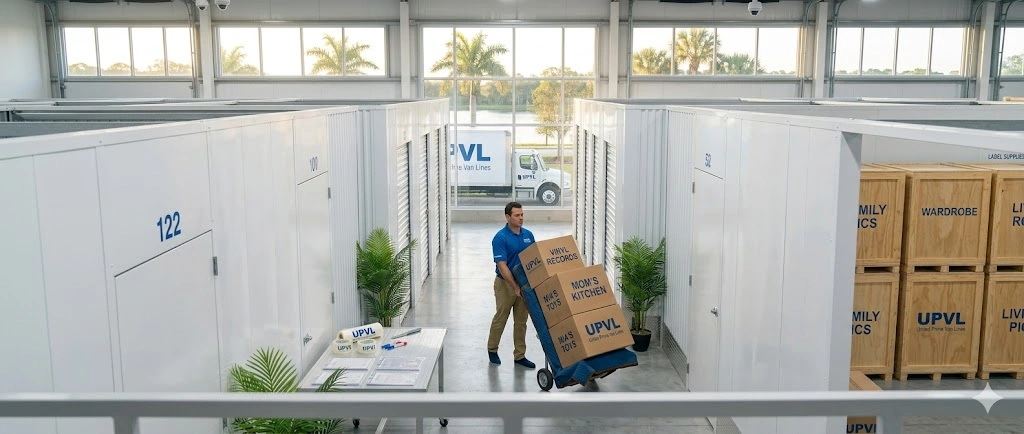
With full-service storage, like what we offer at United Prime Van Lines, the idea is simple: You move once—and we handle the rest.

  • Pros: Only one major loading/unloading day for you. Your items are packed, wrapped, and stacked by pros in a controlled environment.
  • Cons: You typically don’t have daily walk-in access like a personal unit.

For most Miami relocations, full-service storage is what keeps the process from feeling like you’re moving three times.
Post image

What “Good” Short-Term Storage Actually Looks Like

Not all storage is created equal in South Florida. Here’s what I look for:

1. Climate Considerations (Humidity Is Real)

Miami is hot, humid, and prone to storms. You want storage that addresses moisture (to protect against warping and mold) and extreme heat (crucial for electronics and artwork). If you are storing antiques or special collections, stable conditions are non-negotiable.

2. Security That Actually Means Something

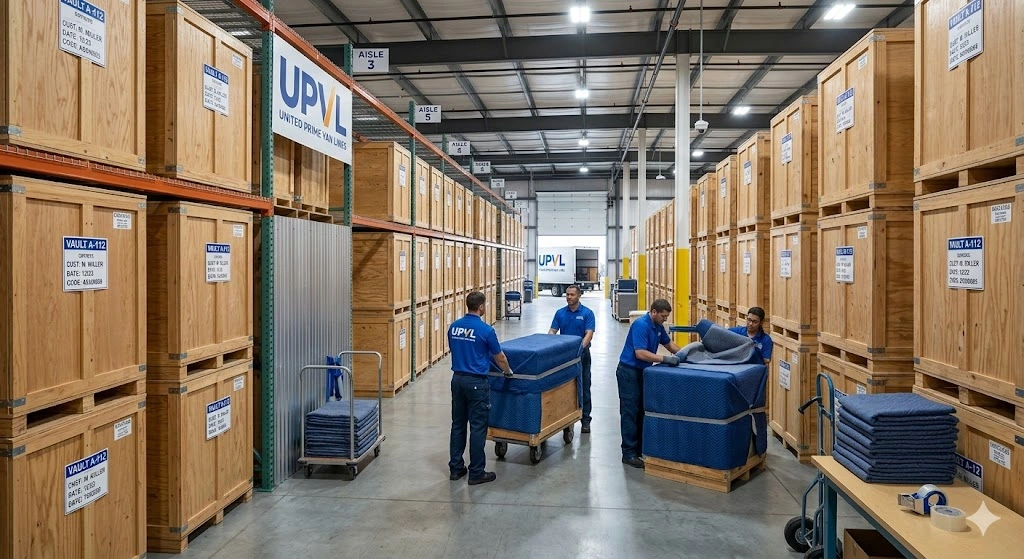
I look for limited, monitored access to the storage area, video surveillance, a clear chain of custody, and proper labeling so nothing gets “mystery moved.”

3. Professional Packing and Wrapping

If items are going into storage, we:

  • Wrap furniture in moving blankets and shrink wrap.
  • Use proper padding for glass and TVs.
  • Avoid taping directly onto furniture surfaces.
  • Pack boxes so they can handle being stacked without crushing.

How to Decide What Goes Into Storage

Here’s how I help customers think it through:

  • Step 1: Separate “Daily Life” From “Nice to Have”: What do you absolutely need for the next 2–8 weeks? (Wardrobe capsule, documents, laptop, basic toiletries). These go with you.
  • Step 2: Unsure? Store It: “I like it, but I don’t know if it’ll fit.” That is perfect for short-term storage.
  • Step 3: Be Honest About Furniture Fit: Miami condos have narrow elevators and tight hallways. If you aren't sure that massive sectional will fit, store it while you measure.

Short-Term Storage During Miami Renovations

If you’re remodeling a place in Miami, FL, you don’t want your furniture in the middle of it.

Short-term storage gives you a clean slate for workers to do their job and less risk of damage to your décor. As rooms finish, we can schedule partial deliveries so you aren't living on top of plastic-wrapped furniture for weeks.

Military, Temporary Assignments, and Transients

For people on temporary work assignments or military orders, short-term storage is a lifestyle tool. Keep your seasonal gear and extra furniture safe so you aren't selling everything every time your situation shifts.

How We Handle Short-Term Storage at United Prime Van Lines

Instead of treating storage as a separate project, we fold it into your move plan:
  1. We Talk Timing: When do you have to be out, and when do you realistically get in?
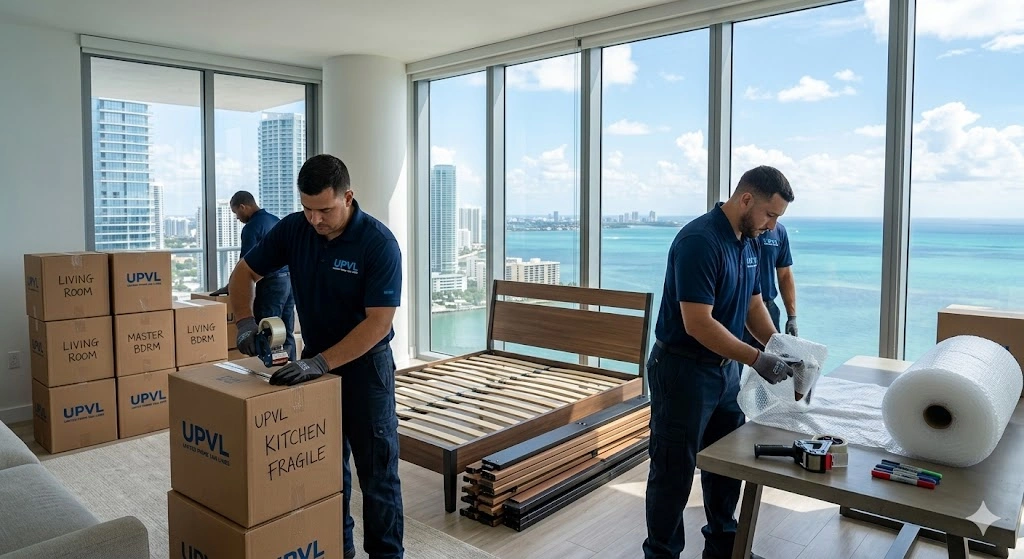
  2. We Build the Plan: One crew, one truck, one schedule. If you want, we’ll also handle full-service packing and furniture disassembly & assembly.
  3. Move-Out Day: We treat your items like they’re going on a long trip. Furniture is wrapped, mattresses get covers, and boxes are clearly labeled.
  4. Storage Period: Your belongings stay in our secure, controlled facility. They aren't shifted around daily.
  5. Delivery Day: When you’re ready, we pull your items, deliver them to your new place, and reassemble your beds and major furniture.
Post image

Common Mistakes (And How to Avoid Them)

  • Mistake 1: Storing what you need immediately. Fix: Set aside a “do not store” zone for passports, meds, and laptops.
  • Mistake 2: Bad labeling. Fix: Label by Room, Category, and Priority (“KITCHEN – COOKWARE – ASAP”).
  • Mistake 3: Underestimating Timing. Fix: Give yourself a buffer. Don't schedule delivery two hours after your closing time.
  • Mistake 4: Shopping by storage price only. Fix: Look at the total picture. Two truck rentals, gas, and your weekend time cost more than combining moving and storage with one team.

Bringing It All Together: Making Your Miami Move Less Complicated

Short-term storage isn’t about complicating your move—it’s about simplifying your life during an already intense transition.

Used right, it can cover the gap between homes without chaos, give you time to decide what fits, and protect your belongings during renovations.

If you’re staring at a calendar with circled dates that don’t line up, that’s where we step in. We can help you build a calm, realistic plan that includes moving, storage, and delivery—on a schedule that actually works for you, not against you.

Post image
+1 (888) 807-5399