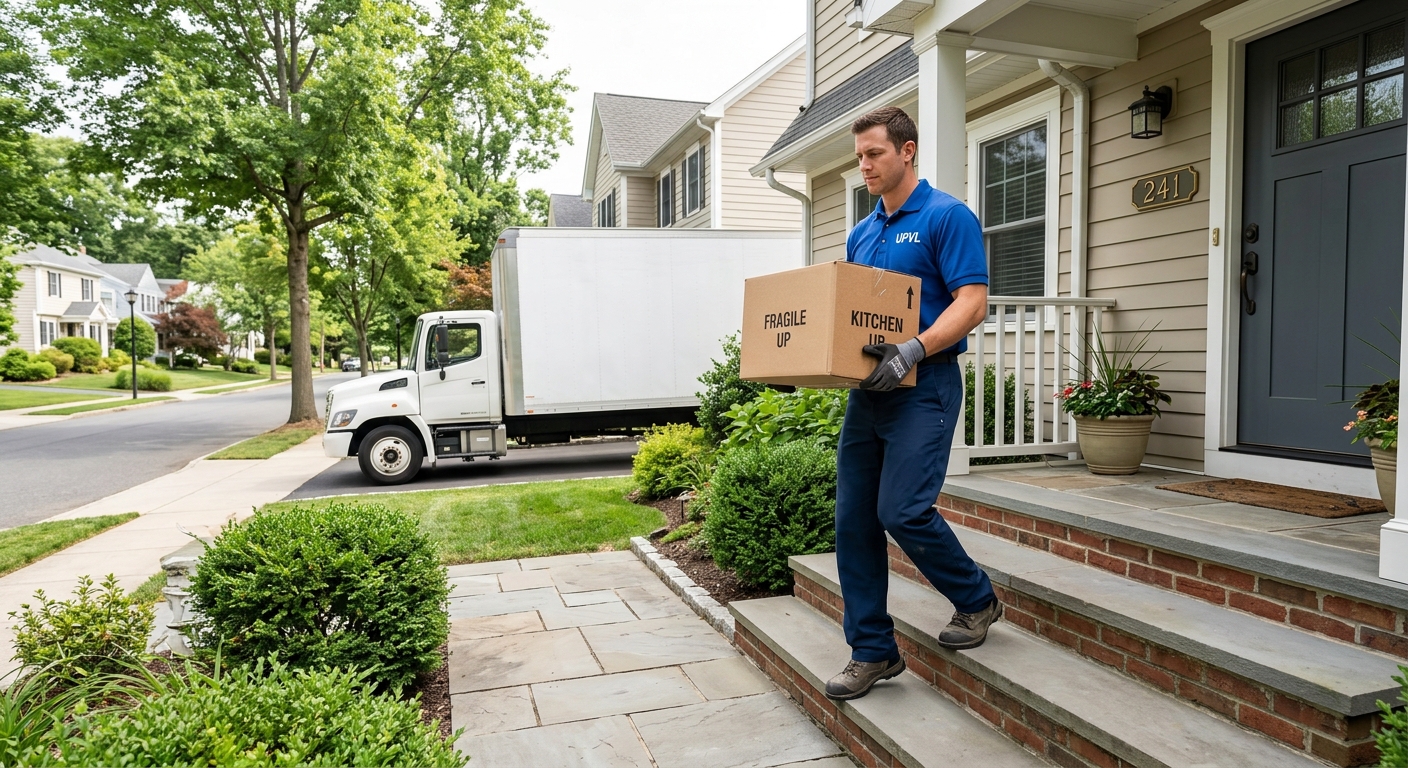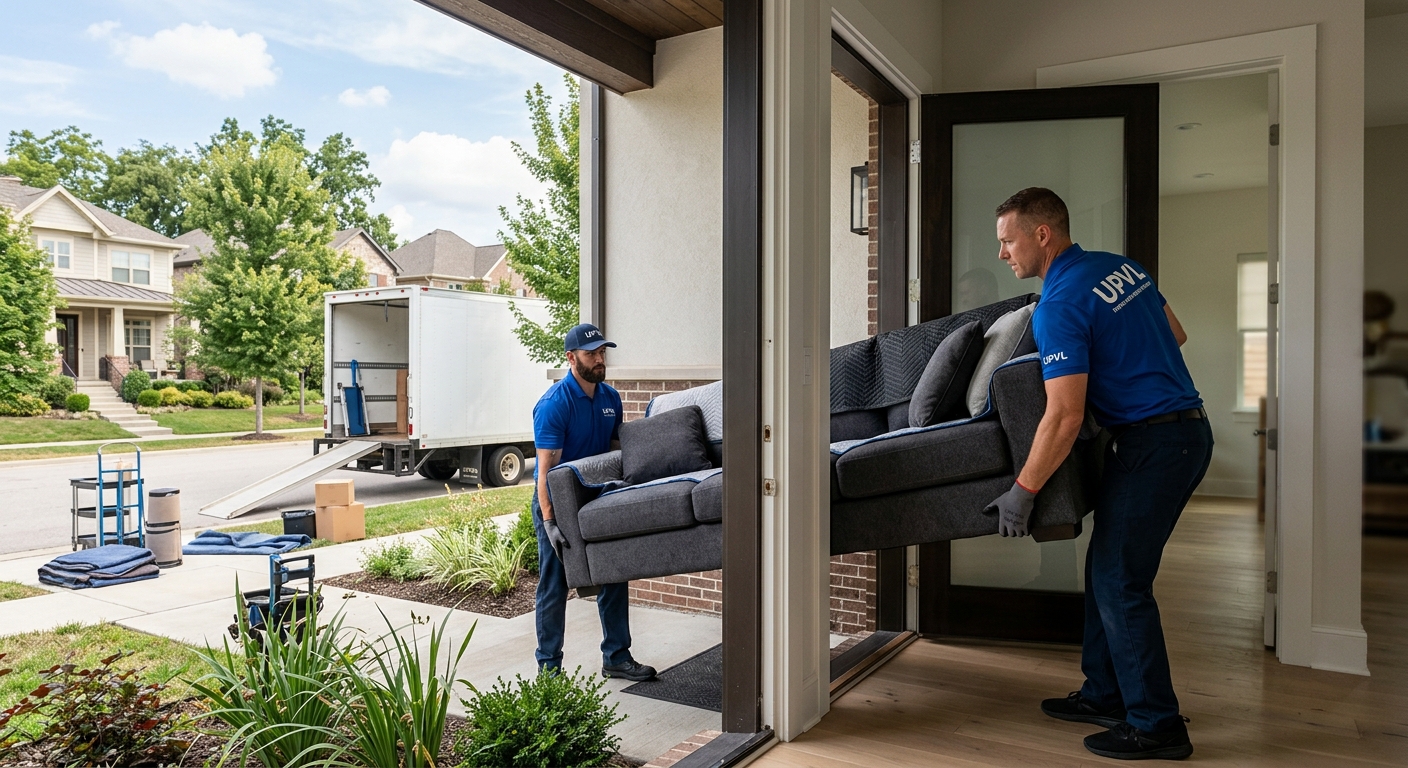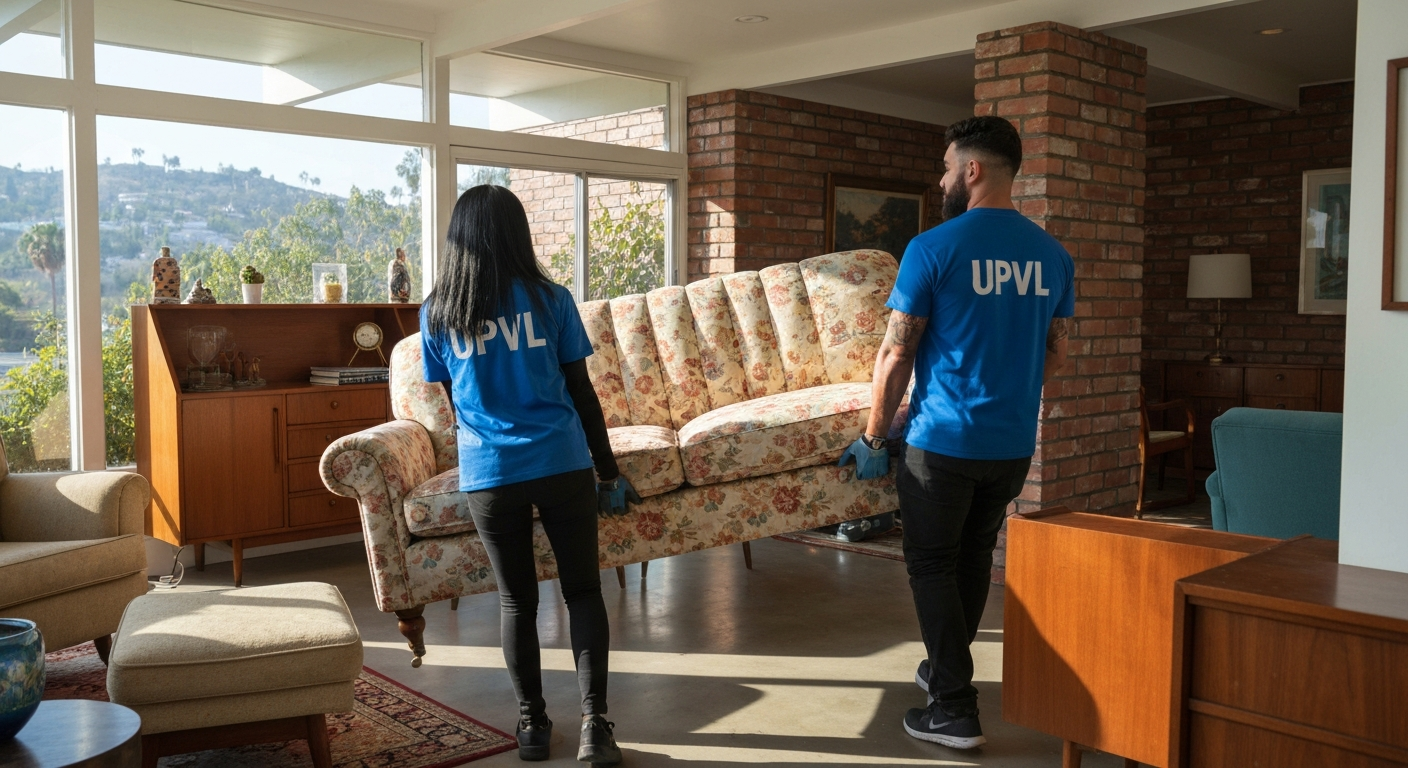
Planning a move in Studio City, Sherman Oaks, Encino, or nearby Tarzana and the central San Fernando Valley? This part of Los Angeles has its own mix of hills, tight streets, traffic, and apartment rules, so choosing the right local movers makes a huge difference in stress, cost, and timing.
Quick Navigation
Hiring Sherman Oaks movers, Encino movers, or a crew for Studio City and Tarzana is not the same as moving in a flat suburban cul-de-sac. The Valley looks simple on a map, but on moving day you’re dealing with:
Local movers who work this central Valley cluster every day know which streets back up early, what kind of truck fits into which building, and how long a “quick” two-bedroom really takes once loading, traffic, and elevators are factored in.
For example, a simple apartment move from a walk-up in Sherman Oaks near Ventura Blvd to a condo in Encino can be delayed an hour if the crew has to circle for street parking or wait for an elevator being used by another vendor. Good planning and clear communication with a professional moving company reduce surprises and overtime charges.
Local expertise matters for:
Choosing a mover who already understands these neighborhoods helps keep your timetable and your budget realistic.
Studio City, Sherman Oaks, Encino, and Tarzana share the Ventura Blvd spine, but each neighborhood has a different feel and different moving challenges. When speaking with Sherman Oaks movers or Encino movers, you’ll get a better estimate if you describe your exact cross streets and building situation.
Studio City sits right at the base of the Hollywood Hills and the Cahuenga Pass, with a mix of canyon homes, larger hillside properties, and denser buildings along Ventura Blvd, Tujunga Ave, and Laurel Canyon.
Common Studio City moving issues include:
Professional movers might park on the main road and use smaller shuttle vehicles or carry items further on foot, which can affect labor time and cost.
Sherman Oaks is one of the most in-demand areas in the central Valley, with a dense mix of apartments, townhomes, and larger single-family houses south of Ventura.
Key Sherman Oaks moving considerations:
Experienced Sherman Oaks movers will ask about your building’s elevator size, loading access, and any HOA or management rules before setting up a crew and truck size.
Encino features many larger single-family homes south of Ventura, gated communities, and townhomes with strict HOA rules. North of the boulevard you’ll find apartments and condos with more typical Valley access.
Typical Encino moving challenges:
When hiring Encino movers, mention if you’re in the hills, in a gated community, or off streets like Balboa, Hayvenhurst, or Louise, so they can plan the right equipment, staff, and timing.
Tarzana has a mix of hillside properties south of Ventura and more suburban-style streets north of the boulevard. Many townhouse complexes and apartment communities line the major streets like Reseda, Tampa, and Wilbur.
Common Tarzana moving considerations:
| Area | Common Moving Challenge | Impact on Your Move |
|---|---|---|
| Studio City | Narrow canyon roads & steep driveways | May require smaller truck or shuttle, longer carry times |
| Sherman Oaks | Traffic near 101/405 and long apartment corridors | Additional loading time, careful scheduling to avoid rush hour |
| Encino | Gated communities & HOA rules | COI requirements and strict move times, more coordination |
| Tarzana | Hills, cul-de-sacs, tight townhome lots | Parking planning, potential shuttle, more walking distance |
When you call for a quote, tell the moving coordinator your exact building type, any stairs or elevator info, and whether you’re in hills or flats. The more detail they have, the better your time and cost estimate will be.
Most people searching for Sherman Oaks movers, Encino movers, or Tarzana movers need local moving within Los Angeles County, but local moving companies often offer several related services. Understanding these options helps you book exactly what you need and avoid paying for services you won’t use.
A standard local move usually includes:
This is what most Valley households use for apartment, condo, and house-to-house moves between Studio City, Sherman Oaks, Encino, Tarzana, and neighboring areas like Van Nuys and North Hollywood.
Apartment and condo moves in the Valley often involve:
Movers familiar with buildings along Ventura Blvd and cross streets like Moorpark, Magnolia, Burbank, and Riverside know how to work efficiently in tight spaces and coordinate with management. If you live in a building with strict move-in/move-out charges, they can help minimize time in common areas.
You can review typical apartment services through companies like apartment moving specialists to see what’s usually included.
For single-family homes and townhouses, movers may need to:
Larger properties in Encino and Tarzana often also require more planning for high-value items, garages, sheds, and patio furniture. A company experienced in full house moves will walk through these details during the estimate.
Some Valley residents are also relocating small offices, studios, or medical/dental suites, especially along Ventura Blvd. For office moves, consider:
Dedicated office and commercial moving services focus on minimizing interruption to your business and protecting sensitive equipment.
Moves in Los Angeles often happen with little notice—especially when leases end abruptly or escrow dates shift. Last-minute move services might include:
For truly urgent situations, some companies offer dedicated last-minute moves so you’re not left scrambling if your timeline changes.
| Service Type | Best For | Key Features |
|---|---|---|
| Standard Local Move | Typical apartment or house within LA | Movers + truck, basic furniture protection, load/transport/unload |
| Apartment/Condo Move | Multi-story buildings with elevators | Elevator coordination, parking planning, long hallway management |
| House/Townhouse Move | Single-family homes & larger properties | More furniture handling, stair navigation, surface protection |
| Office/Commercial Move | Business suites, studios, professional offices | After-hours scheduling, IT and file handling, COI for buildings |
| Last-Minute Move | Short-notice relocations | Flexible scheduling, extra crews, rapid packing support |
Local moves in Studio City, Sherman Oaks, Encino, and Tarzana are usually priced hourly. Your total cost depends on how many movers are on the crew, how many hours the job takes, and any extra services like full packing or storage.
Key factors that affect your bill include:
Exact rates depend on the company, but here is a rough idea of common local move ranges in the Valley cluster for a standard professional crew and truck:
| Home Size (Local Move) | Estimated Crew Size | Typical Labor Time Range* |
|---|---|---|
| Studio / Small 1-Bed | 2 movers | 3–5 hours |
| 1–2 Bedroom Apartment | 2–3 movers | 4–7 hours |
| 2–3 Bedroom House/Townhome | 3–4 movers | 6–10 hours |
| 4+ Bedroom Home | 4+ movers | 8–12+ hours (sometimes split over 2 days) |
*Labor time is total for the whole crew, including loading, driving, and unloading, assuming average access and some basic furniture disassembly.
Access is one of the easiest factors to underestimate. Compare these scenarios:
| Scenario | Access Details | Effect on Time/Cost |
|---|---|---|
| Easy Access | Ground-floor apartment, truck parked right outside | Fast loading/unloading, lowest labor time |
| Moderate Access | 2nd-floor with elevator, moderate walk to truck | Additional 0.5–1.5 hours for similar size |
| Difficult Access | 3rd-floor walk-up, no elevator, long hallways | Can add 1–3 hours depending on volume |
| Hillside/No Truck Access | Hills, tight streets, shuttle needed | Extra time for transferring items between vehicles |
When getting a quote, describe your building and parking honestly. That transparency helps avoid surprise overtime charges and keeps your final invoice aligned with the estimate.
To keep your Valley move more affordable:

Local moves around Studio City, Sherman Oaks, Encino, and Tarzana are typically billed hourly. You may see advertised hourly rates plus a minimum number of hours. Some companies offer flat-rate prices for clearly defined local jobs, but hourly pricing is more common for Valley residential moves.
With hourly pricing, you pay for:
You might also see:
Some movers may offer a flat rate for specific, well-defined local moves, usually when they can accurately predict the time and access. Flat-rate moves are typically based on:
If access changes significantly on move day (e.g., the elevator breaks, parking is lost), a flat-rate agreement may include clauses that allow the company to adjust pricing. Always read the terms carefully.
Even for local moves, companies may use different estimate formats:
| Pricing Type | Pros | Best For |
|---|---|---|
| Hourly | Flexible, pays only for actual time; easy to adjust scope | Most local Valley apartment and house moves with typical access |
| Flat Rate | Predictable total cost if scope is clear; easier to budget | Moves with highly predictable access and inventory, or customers who need a firm number |
| Hourly with Range | Balances clarity with flexibility; sets expectations | Customers who want a realistic time window but understand variables |
| Non-Binding Estimate | Quick to produce; good starting point for discussion | Early planning before all details (like exact move date) are known |
To help your mover produce a realistic estimate:
A company that offers full-service options, such as long-distance moving and local services, often has well-developed estimating processes. Use that to your advantage by asking detailed questions up front.
Packing is where many Valley residents underestimate the effort required. Between work, traffic, and family responsibilities, fully packing a 1- or 2-bedroom before moving day can be challenging. Professional packing services can save time and protect your belongings—especially when moving in and out of busy or high-value neighborhoods.
You generally have three options:
Full-service packing options are often provided by companies that specialize in professional packing services. Ask for a clear breakdown of labor and materials costs so you know exactly what to expect.
| Packing Style | Advantages | Best For |
|---|---|---|
| DIY Packing | Lowest cost, full control over organization | Smaller moves, flexible schedules, budget-conscious customers |
| Partial Packing | Movers handle hardest rooms and fragile items | Busy households that can pack some rooms but not all |
| Full-Service Packing | Fast, professional, minimal effort for you | Larger homes, tight schedules, families with kids or demanding jobs |
If you choose to pack yourself:
Ask your movers if they can bring a few extra boxes and tape on move day; it’s common to have last-minute items that still need boxing.
Most full-service local movers include basic furniture disassembly and reassembly in the service. This typically covers:
More complex items—like modular office furniture, custom shelving, or Murphy beds—may require advance notice or a specialist. Some moving companies provide or coordinate these services through their furniture disassembly and assembly offerings.
Many Valley homes, especially in Encino, Studio City, and the hills, contain high-value items that require specific expertise:
Let your mover know about any specialty items during the estimate so they can plan the right team and equipment.
Storage is common for Valley residents navigating remodels, staging homes for sale, or timing issues when move-out and move-in dates don’t align. Professional movers can often combine moving and storage into a single solution to avoid double-handling your belongings.
Typical use cases include:
Movers may offer or coordinate different storage options, such as:
Companies like moving and storage specialists can outline whether warehouse or containerized storage is best for your situation.
| Storage Type | Typical Duration | Best For |
|---|---|---|
| Short-Term Warehouse | Days to a few weeks | Gap between move-out and move-in dates |
| Long-Term Warehouse | Several months or longer | Extended travel, long remodels, extended home search |
| Containerized Storage | Short or long term | Secure, sealed storage with minimal handling |
| Self-Storage Unit | Flexible | DIY access, frequent visits to the unit |
Before storing your belongings:
In California, household goods movers are regulated by the California Public Utilities Commission (CPUC), and must have an active license, proof of insurance, and published rates. Checking licensing is one of the most important steps when comparing Sherman Oaks movers, Encino movers, or Tarzana movers.
Licensed movers must:
You can verify a mover’s license through the CPUC’s household goods mover search. Source: California Public Utilities Commission.
It’s important to understand that the “insurance” included with moving services is usually not traditional insurance, but a type of valuation coverage that sets a limit on what the mover is responsible for if items are lost or damaged.
For local moves in California, you’ll typically see:
| Coverage Type | What It Means | Best For |
|---|---|---|
| Basic Valuation (Released Value) | Very limited compensation based on weight, not actual value | Low-risk, low-value items, or customers comfortable self-insuring |
| Full-Value Protection | Higher coverage; attempts to repair, replace, or compensate fairly | Homes with high-value furniture, electronics, artwork |
| Third-Party Insurance | Separate policy through independent insurer | Customers needing more comprehensive protection |
| No Extra Coverage | Rely solely on basic valuation | Very small moves with minimal risk |
For more on valuation and your rights as a consumer, see guidance from the Federal Motor Carrier Safety Administration (FMCSA), which—while focused on interstate moves—explains valuation concepts clearly.
Before signing:
Many apartment and condo buildings in Studio City, Sherman Oaks, Encino, and Tarzana have specific rules for movers. Ignoring these rules can cause delays or even prevent the move from happening on your chosen day.
A Certificate of Insurance (COI) is a document your moving company provides to your building management showing proof of liability and workers’ compensation coverage. Many mid-rise and high-rise buildings, especially along Ventura Blvd and in larger complexes, require COIs before they’ll let movers use elevators or loading docks.
Tell your mover early if your building requires a COI. They’ll need the building’s exact name, address, and any special wording the management requires. Provide at least a few business days for this paperwork.
Buildings often require you to reserve a freight or passenger elevator for specific time blocks. Common rules include:
If your movers arrive late because of traffic or another job running over, you may lose your elevator window. Confirm the exact time with both the movers and the building, and share any restrictions in writing.
Parking is a major factor in local Valley moves, particularly near Ventura Blvd. Common issues:
If you have a driveway or reserved loading area, mention that to your mover. If not, ask whether they recommend obtaining a parking permit (when available) or placing personal cars in front of your building overnight to hold space for the truck.
| Requirement | Where It’s Common | What You Should Do |
|---|---|---|
| COI Required | Mid-rise and high-rise buildings, larger complexes | Ask building for COI sample, send to mover early |
| Elevator Reservation | Many apartments/condos along Ventura Blvd | Book freight elevator, confirm date/time in writing |
| Move Time Limits | HOA communities and managed buildings | Plan move start time within approved window |
| Parking Restrictions | Busy streets and commercial corridors | Ask about permits, hold space with vehicles if allowed |
A clear checklist helps keep your Studio City, Sherman Oaks, Encino, or Tarzana move on track. Use this timeline as a starting point and adjust based on your moving date.
| Checklist Step | When to Do It | Why It Matters |
|---|---|---|
| Research Movers | 4–6 weeks before | Ensures availability and time to compare estimates |
| Reserve Elevators/Parking | 2–3 weeks before | Prevents delays and building conflicts on move day |
| Finish Packing | 1–3 days before | Reduces stress and keeps your move on schedule |
| Prepare Essentials Box | Day before | Makes first night in new home easier |
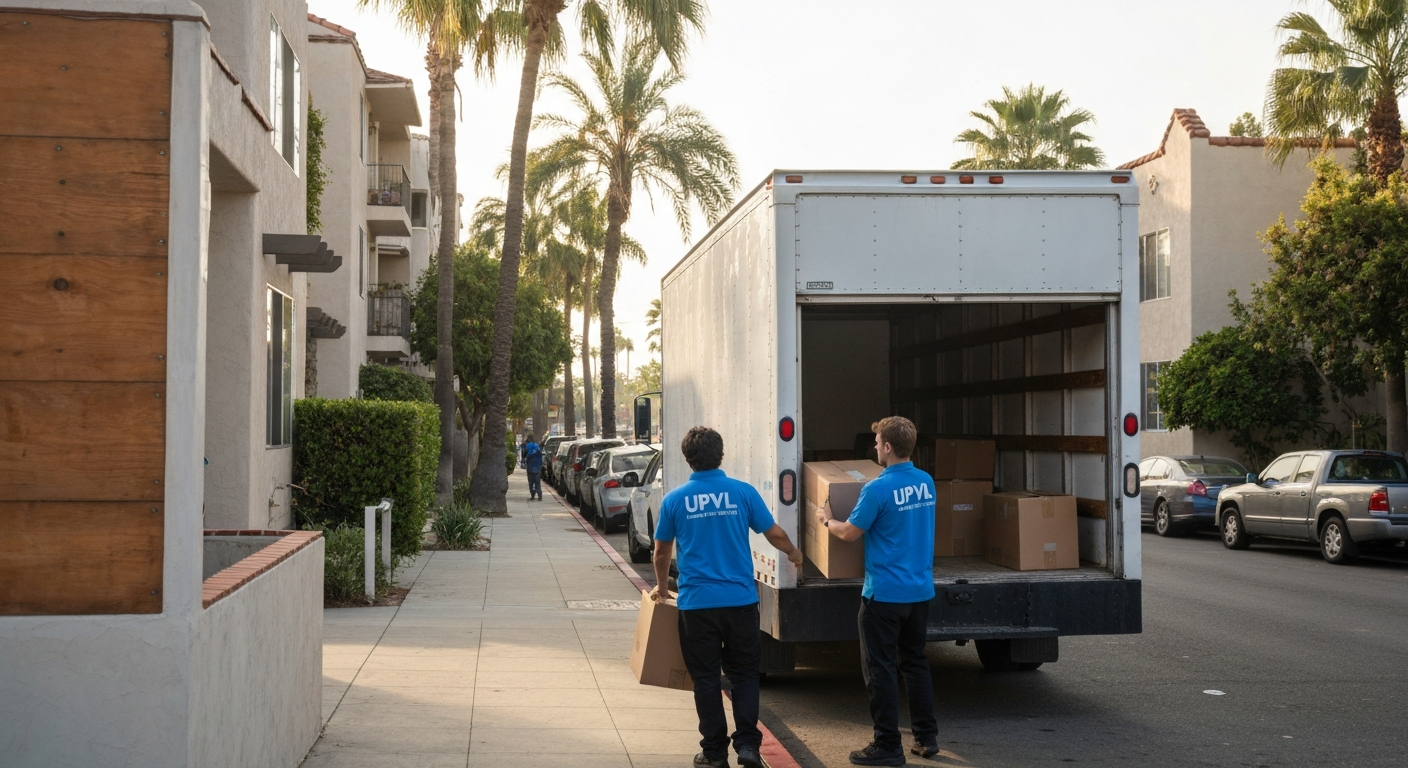
Focus on licensed, well-reviewed companies that work in the central San Fernando Valley every day. Verify their CPUC license, ask for a detailed written estimate, and discuss your specific access issues—stairs, elevators, hills, and parking. A mover experienced along the Ventura Blvd corridor will give more realistic time and cost expectations.
For a house move, especially in hillside or south-of-the-boulevard areas, ask about experience with stairs, long driveways, and large furniture. Confirm that they provide floor and banister protection, basic furniture disassembly and reassembly, and that they can handle specialty items like pianos or large sectionals. A dedicated house move service is often a good fit.
Yes, most full-service local movers include basic furniture disassembly and reassembly in their hourly rates. This typically covers beds, standard tables, and furniture legs. For complex or custom pieces, or built-in furniture, ask ahead if they can handle it or if a specialist is needed. You can also inquire about dedicated furniture disassembly and assembly services if your home has more complicated items.
Many Sherman Oaks movers, Encino movers, and Tarzana movers offer partial or full packing services. You can choose to have them pack just fragile items and the kitchen, or your entire home. This service adds to the hourly cost but can save days of work and greatly reduce the risk of damage. Ask for a breakdown of packing labor and materials when getting your quote.
Local Valley moves are usually billed hourly, with total cost depending on crew size, hours worked, and access conditions. A small apartment might take 3–5 hours with two movers, while a larger home might require a bigger crew for most of the day. Factors like stairs, elevators, long walks, and traffic can add time. Ask for a written estimate with a realistic time range so you understand likely costs.
Many movers in the central San Fernando Valley do accommodate last-minute moves when their schedule allows. Availability is often better on weekdays and outside of the end-of-month crunch. If you’re in a time-sensitive situation, ask specifically about last-minute moving options and be ready to provide a clear inventory and building details quickly.
Ask if your building requires a COI, what the allowed move-in/move-out hours are, whether you need to reserve the freight or passenger elevator, and how to handle parking for a moving truck. Get any rules or requirements in writing and share them with your movers as early as possible so they can prepare the COI and schedule accordingly.
Local movers usually handle moves within the same metro area or region (such as within Los Angeles County) and charge primarily by the hour. Long-distance or interstate movers transport shipments across state lines and follow federal regulations, including specific rules about binding and non-binding estimates. Some companies, like those offering long-distance moving, handle both local and cross-country moves but use different pricing and paperwork for each type.
For moves in Studio City, Sherman Oaks, Encino, or Tarzana, aim to book 3–4 weeks in advance, especially for weekends, month-end dates, and peak summer season. For off-peak midweek moves, 1–2 weeks may be enough, but earlier is always better to secure your preferred arrival time and crew size.
For California moves, the contact information is:
Moving within Studio City, Sherman Oaks, Encino, or Tarzana might look simple on paper, but the mix of traffic, hills, elevators, and tight parking makes local experience essential. When you hire movers who know the Valley’s streets and buildings, you get more accurate estimates, smoother coordination with your building, and better protection for your belongings.
Take time to verify licensing, talk through access details, and choose the level of packing and furniture service that matches your home and schedule. With the right team and a clear plan, your next Valley move can be efficient, predictable, and far less stressful—letting you focus on settling into your new home instead of worrying about the logistics.