LOGO
Commercial & Office Moving February 06, 2026

Warehouse and Retail Moving in Los Angeles: How I Help Businesses Relocate Without Losing Their Minds (or Their Inventory)

Warehouse and Retail Moving in Los Angeles: How I Help Businesses Relocate Without Losing Their Minds (or Their Inventory)

Moving a home is one thing. Moving a warehouse or retail space in Los Angeles? That’s a whole different animal.

Tight timelines, commercial leases breathing down your neck, inventory everywhere, and somewhere in the middle of all this you still have a business to run. I’ve seen owners try to "wing it" with rental trucks… and I’ve seen how expensive that "savings" turns out to be.

In this guide, I want to walk you through how I approach warehouse and retail moving in Los Angeles with my team at United Prime Van Lines, so you can see exactly what needs to happen to get from Point A to Point B without shutting your business down for a week.

Why Commercial Moves in LA Feel So Stressful

If you’re feeling overwhelmed, you’re not overreacting. An LA commercial move has built-in complications:

  • Tight Building Rules: Strict load-in times in busy retail areas.
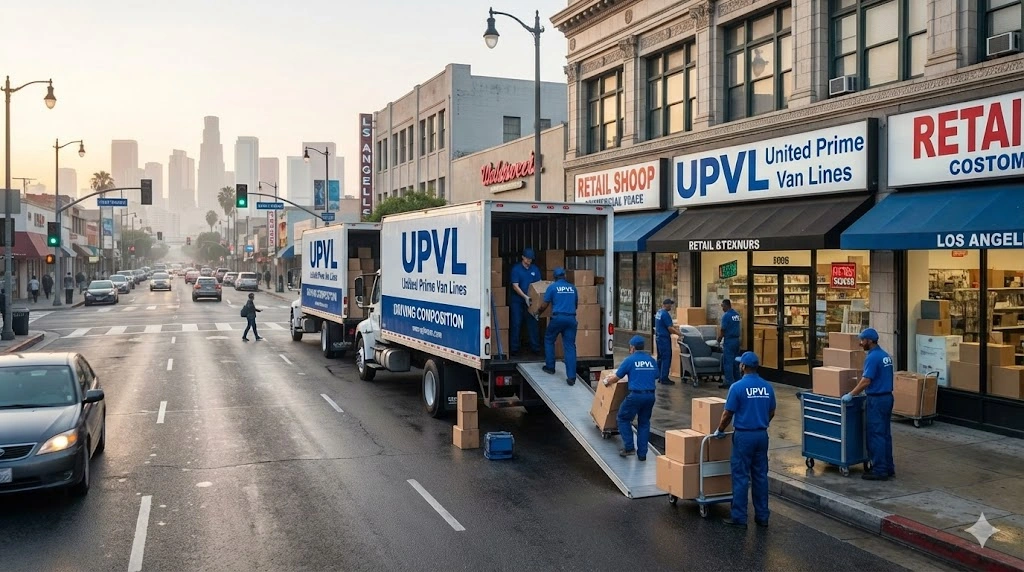
  • Access Challenges: Loading docks, alleys, and traffic.
  • Coordination: Landlords, IT vendors, security, and staff.
  • Inventory Risk: Damages or downtime that kills cash flow.

When I plan a move, I start with your operations: When do you absolutely need to be fully functional again?

Step One: Walking the Space

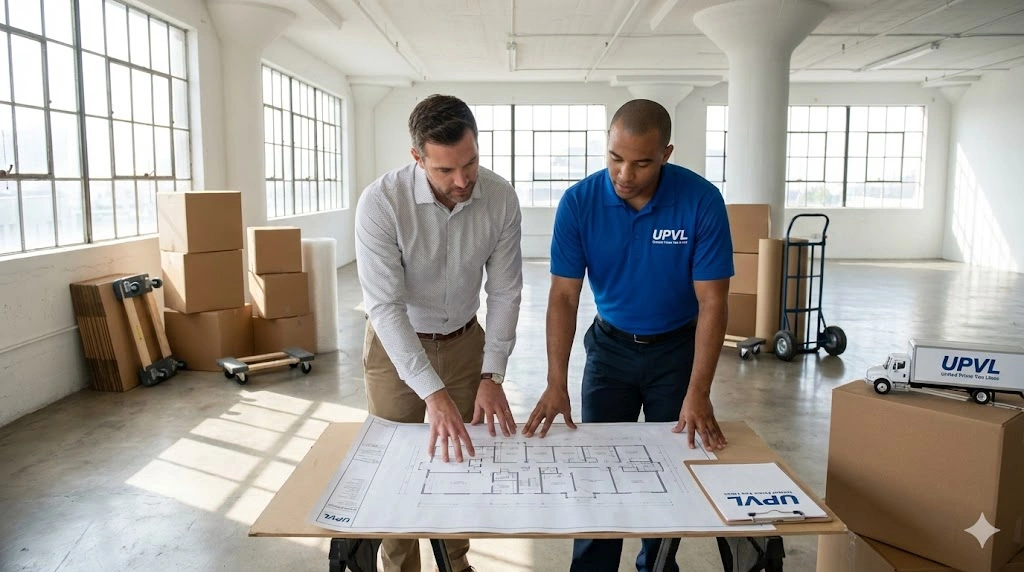
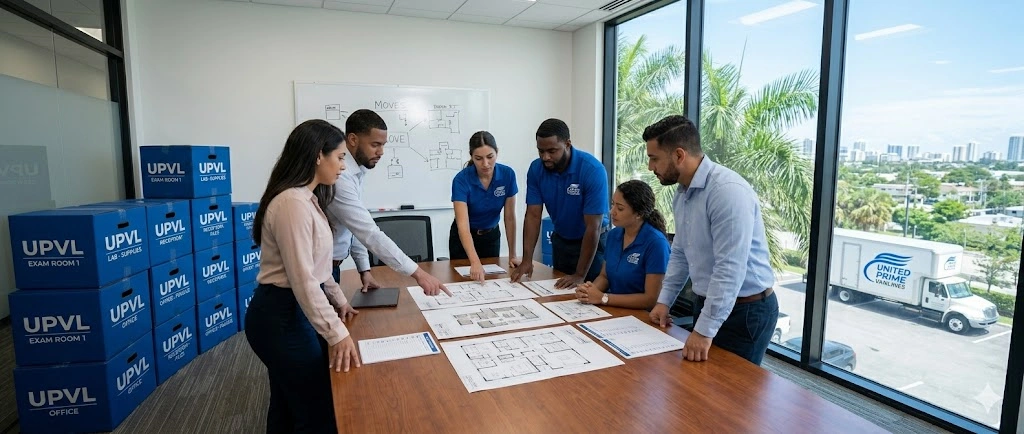
I always start with a walkthrough of both locations. I am looking for:

  • Access Points: Loading docks, freight elevators, back alleys.
  • Sensitive Areas: High-value inventory, fragile displays, POS stations.
  • Material Handling Needs: Pallet jacks, liftgates, specialized crates.

For retail moves in dense shopping districts, we often recommend early-morning or late-night loading so we’re not fighting for curb space.

Minimizing Downtime for Warehouse Moves

Downtime costs money. To prevent it, I break the move into logical phases:

Phase 1: Non-Essential Inventory Older stock or surplus items you don't need immediately.

Phase 2: Infrastructure & Racking Shelving, workstations, and packing tables.

Phase 3: High-Priority Inventory Fast-moving items and key SKUs tied to current orders.

The Strategy: We set up priority zones in the new warehouse first, so your team can start processing orders while we finish the move.

What Makes Retail Moves Tricky

You aren't just moving boxes; you are moving your brand image.

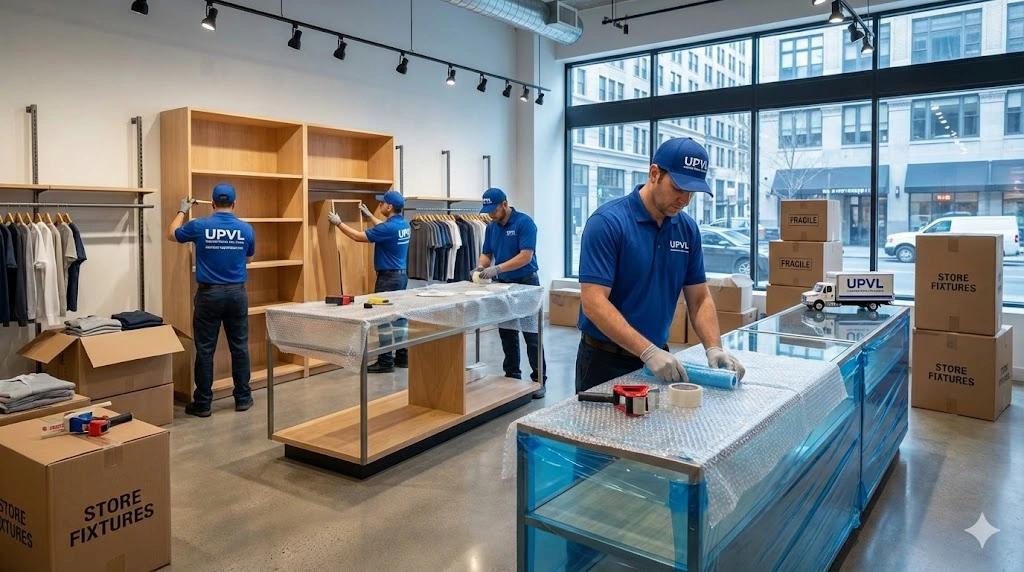
  • Fixtures: Clothing racks, glass cabinets, and mirrors.
  • Tech: POS systems and security devices.

My Team's Process:

  • We disassemble fixtures and label every part.
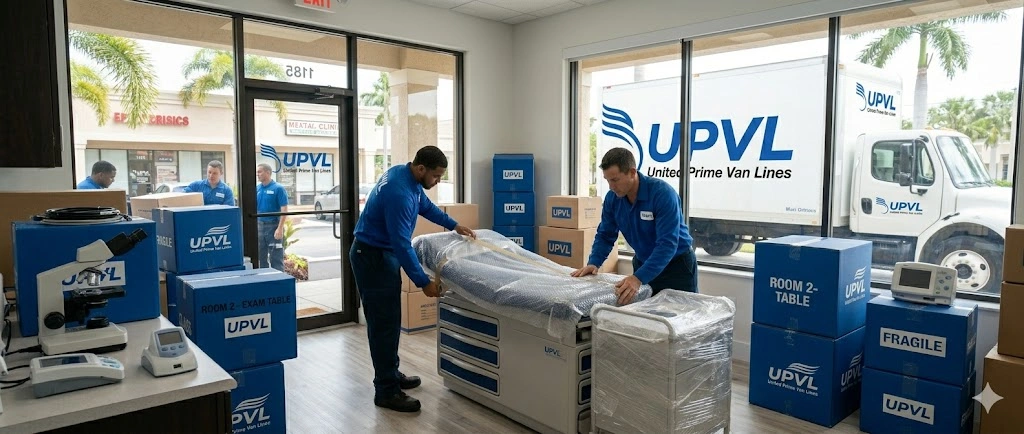
  • We wrap glass and mirrors with protective materials.
  • We bundle hardware in clearly marked bags taped to the piece.

Timing a Retail Move Without Losing Sales

The big question: "How do we move without shutting down?"

Strategy 1: After Hours / Overnight We pack the backroom ahead of time. Then, we do the heavy shift of displays after you close, getting you ready to open the next morning.

Strategy 2: Staggered Move Move the back-of-house (stockroom) first. Keep the sales floor open as long as possible. Move registers and key displays last.
Post image

When You Need Storage

Often, leases don't line up perfectly. That’s where storage becomes a lifeline.

  • We separate items into Immediate-Use and Short-Term Storage.
  • We pack and label storage items so they are ready for quick delivery when you need them.
  • We keep your inventory secure, unlike a random self-storage unit.

Check out our Storage Services if you need a buffer.

Common Mistakes to Avoid

  1. Underestimating Time: A full warehouse move usually needs at least a full day for load-out and another for setup.
  2. Ignoring Building Rules: If we don't book the freight elevator, the move stops.
  3. Poor Labeling: Unmarked boxes cost hours. We set up a simple code system (e.g., A1, B2) before we start.
  4. Moving Clutter: Use the move to clear out dead inventory.

Handling Heavy & Sensitive Items

Every business has "problem items": Oversized machinery, tall pallet racks, or safes.
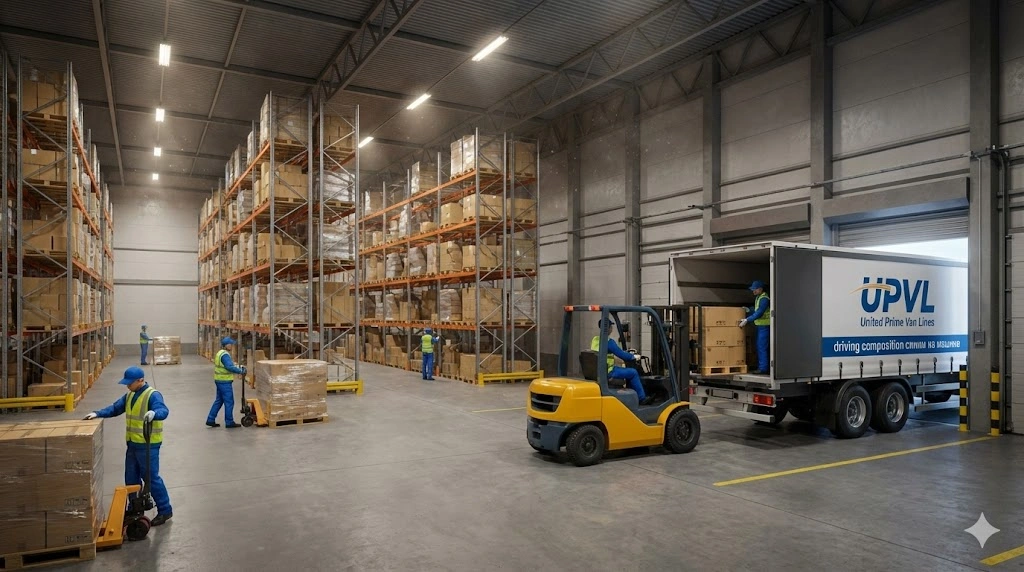
  • Equipment: We bring pallet jacks, liftgates, and heavy-duty dollies.
  • Crew: Our team is trained to handle awkward, heavy items safely.
Post image

Coordinating With IT & Security

We aren't your IT team, but we work closely with them.

  • Cables: We keep power bricks and accessories with their devices.
  • Fragile Tech: Electronics are carefully wrapped and labeled.
  • Priority Unload: We load tech so your IT team can plug back in immediately upon arrival.

Working With United Prime Van Lines

Here is the experience I aim to give you:

Before:

  • Detailed walkthroughs and questions about operations.
  • A clear plan and quote.

During:

  • Crew shows up on time, in uniform.
  • A clear lead on-site for your managers to talk to.
  • We treat inventory like assets, not "stuff."

After:

  • We walk the new space to ensure items are in the right zones.
  • We help with final reconfigurations if needed.
Post image

The Verdict

If you’re planning a warehouse or retail move in Los Angeles, my job is to make that process as smooth and low-stress as possible.

With United Prime Van Lines, you’re getting a team that understands commercial logistics—not just household moves. Tell me your dates and what you’re most worried about. We’ll build the move around that.
+1 (888) 807-5399